
Evolution of a Shield
Few pieces of gear have stuck around as long as the shield. It's one of the oldest tools ever carried into battle, and for thousands of years it kept reinventing itself - swapping shape and material every time warfare changed. New tactics, heavier armor, the rise of cavalry: each shift forced a rethink of what a shield needed to do and how it needed to be built.
Then came LARP, and the shield changed again - from wood and steel to lightweight foam, built less for the battlefield and more for the weekend. Different rules, same idea: protect the person holding it.
In this guide, we'll walk through that evolution era by era, look at what made each design work, and use it all to help you pick the right shield for your next adventure.
Choosing your shield
Why the shape matters
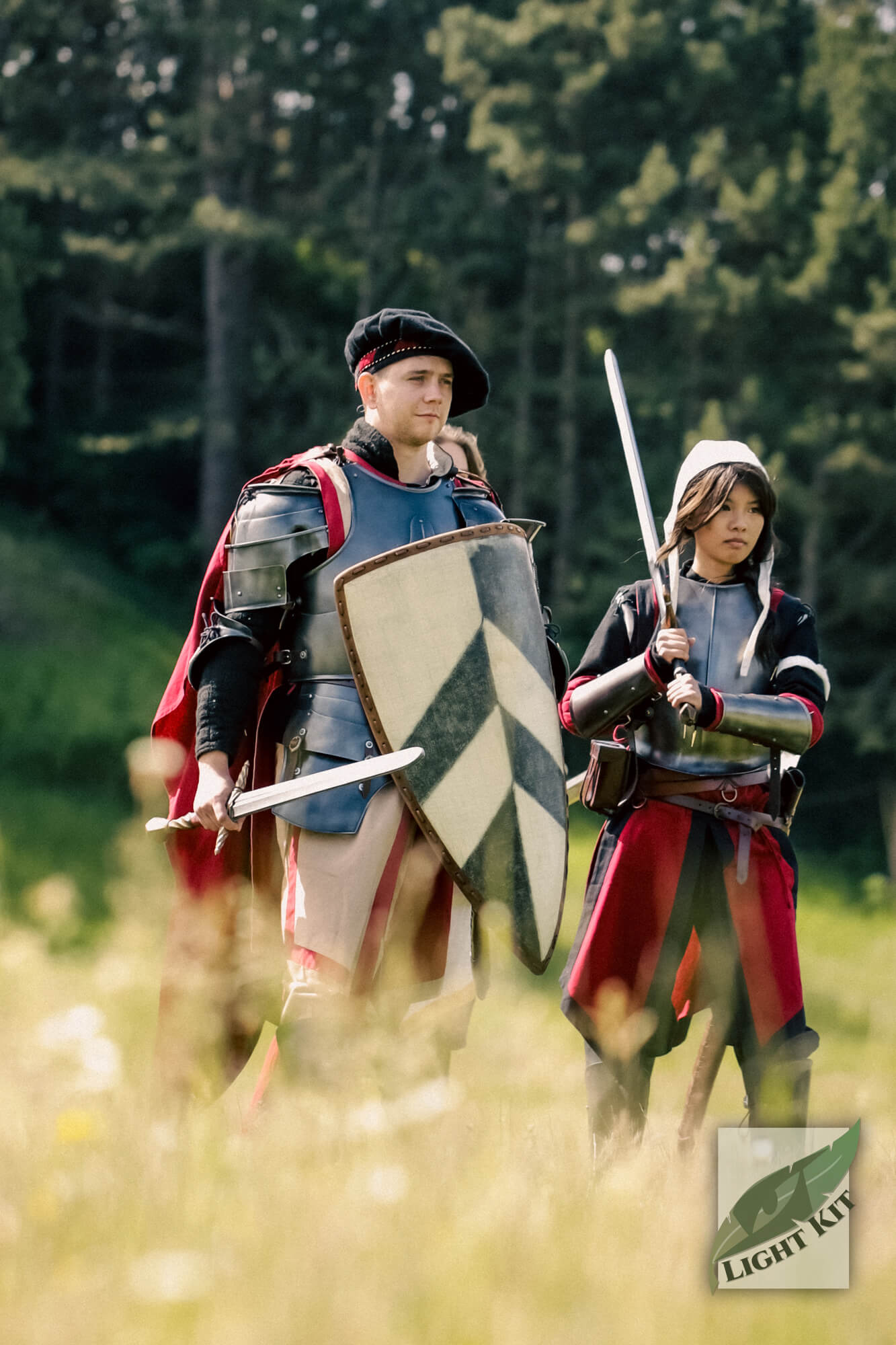
Looking across a few thousand years of shield design tells us that every shape was an answer to how people were fighting at the time: Roman scutum for formation warfare, Viking round shield for raids and shield walls, kite shield for cavalry, heater shield for heraldry display and smaller size, the buckler for speed of movement during duels. And fantasy shields answer something different entirely: the desire to build a character and a story from scratch.
Whether you're reenacting history, building a LARP character, or just curious about how battlefield engineering evolved, the shape of a shield is never just decoration. It's a record of exactly what kind of fight it was built to survive.
The Age of Formation Fighting
Roman Scutum
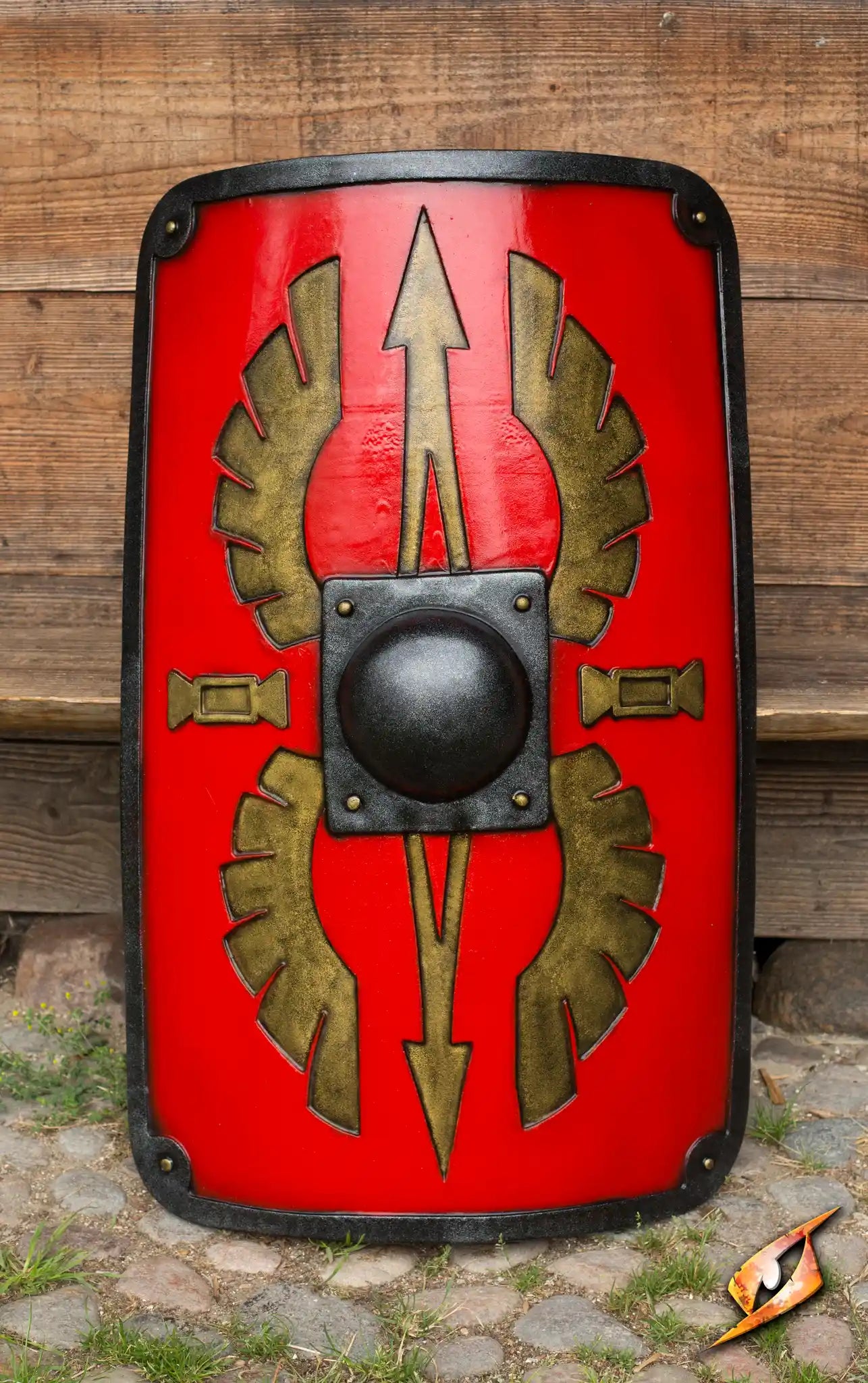
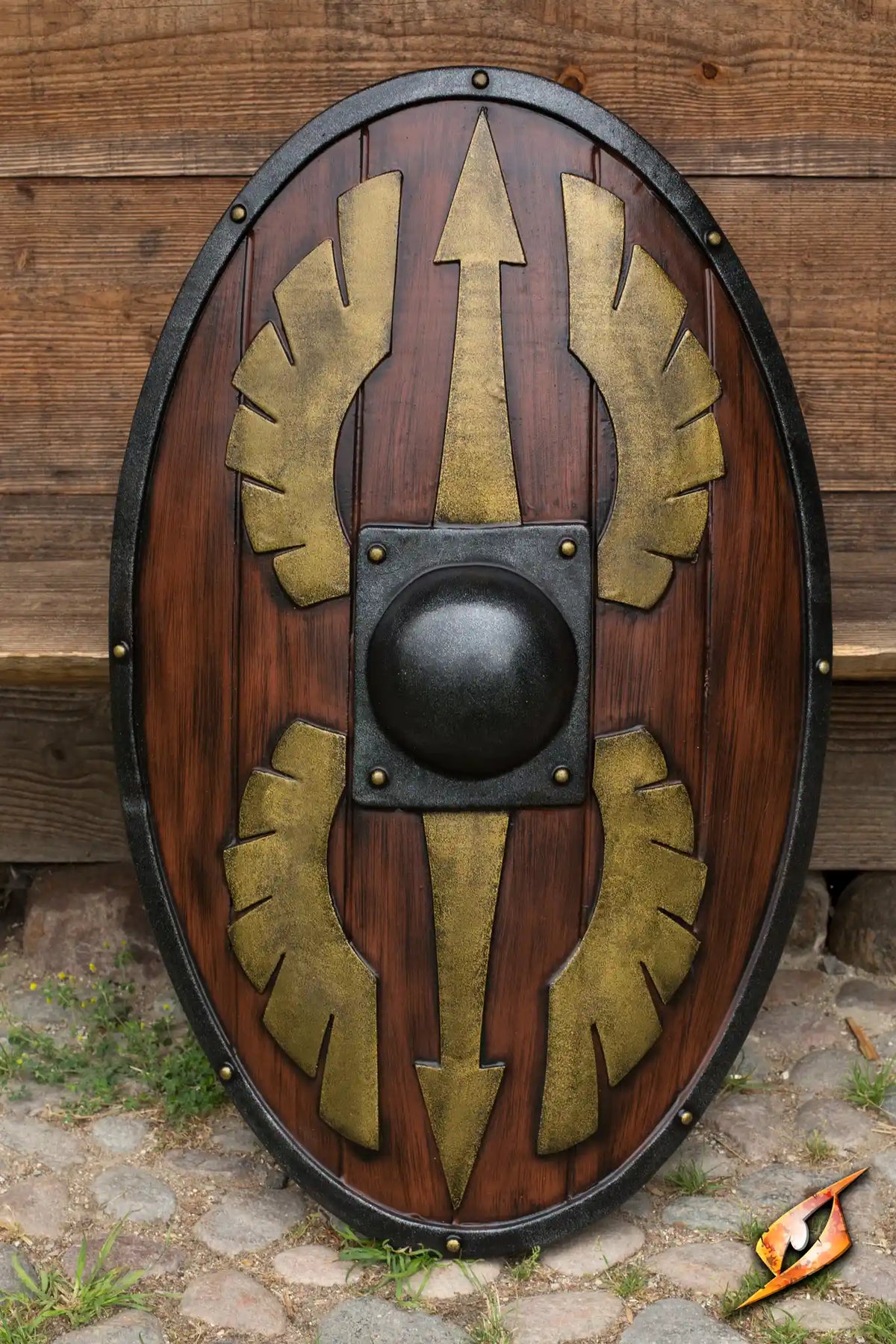
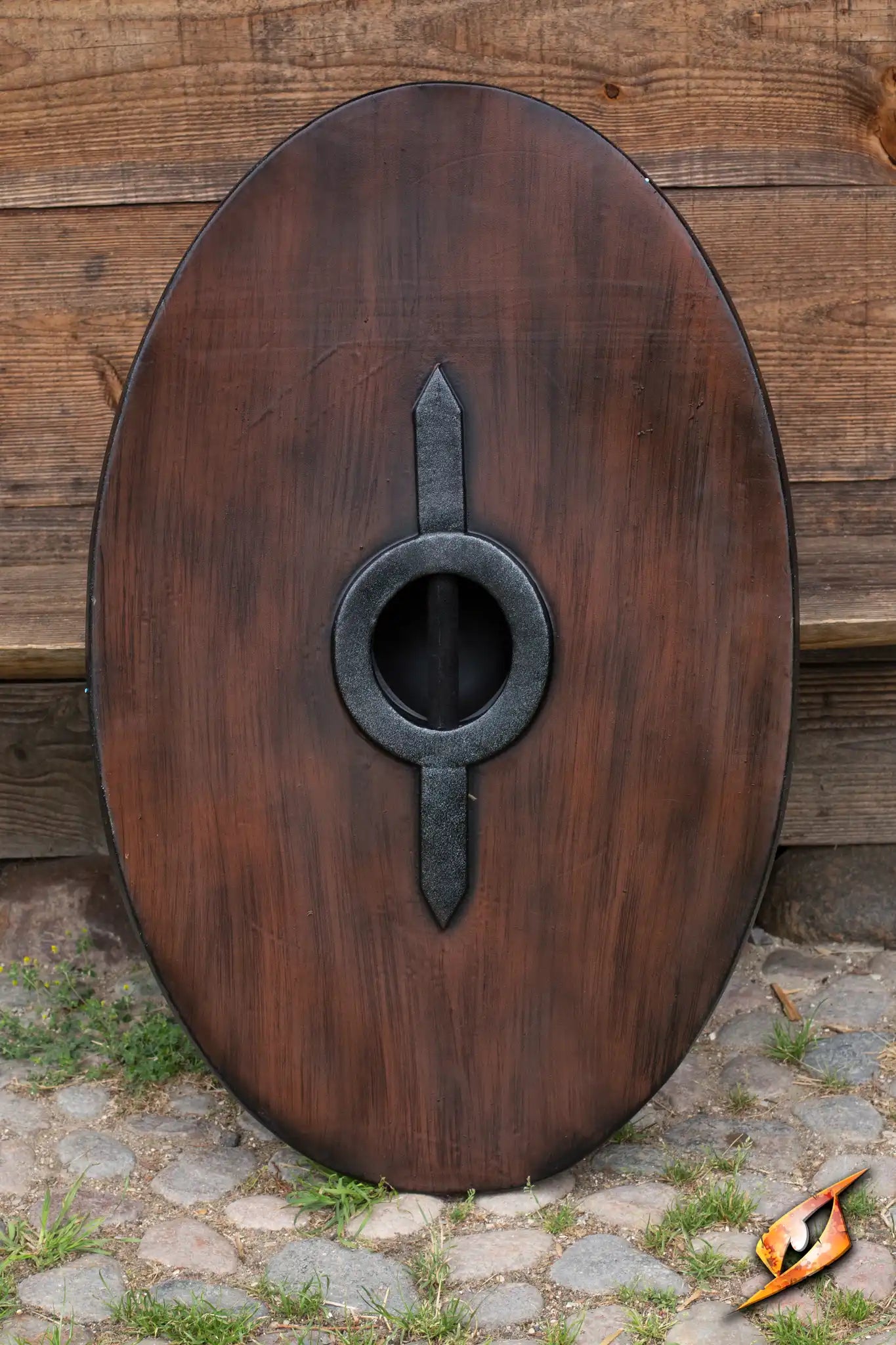
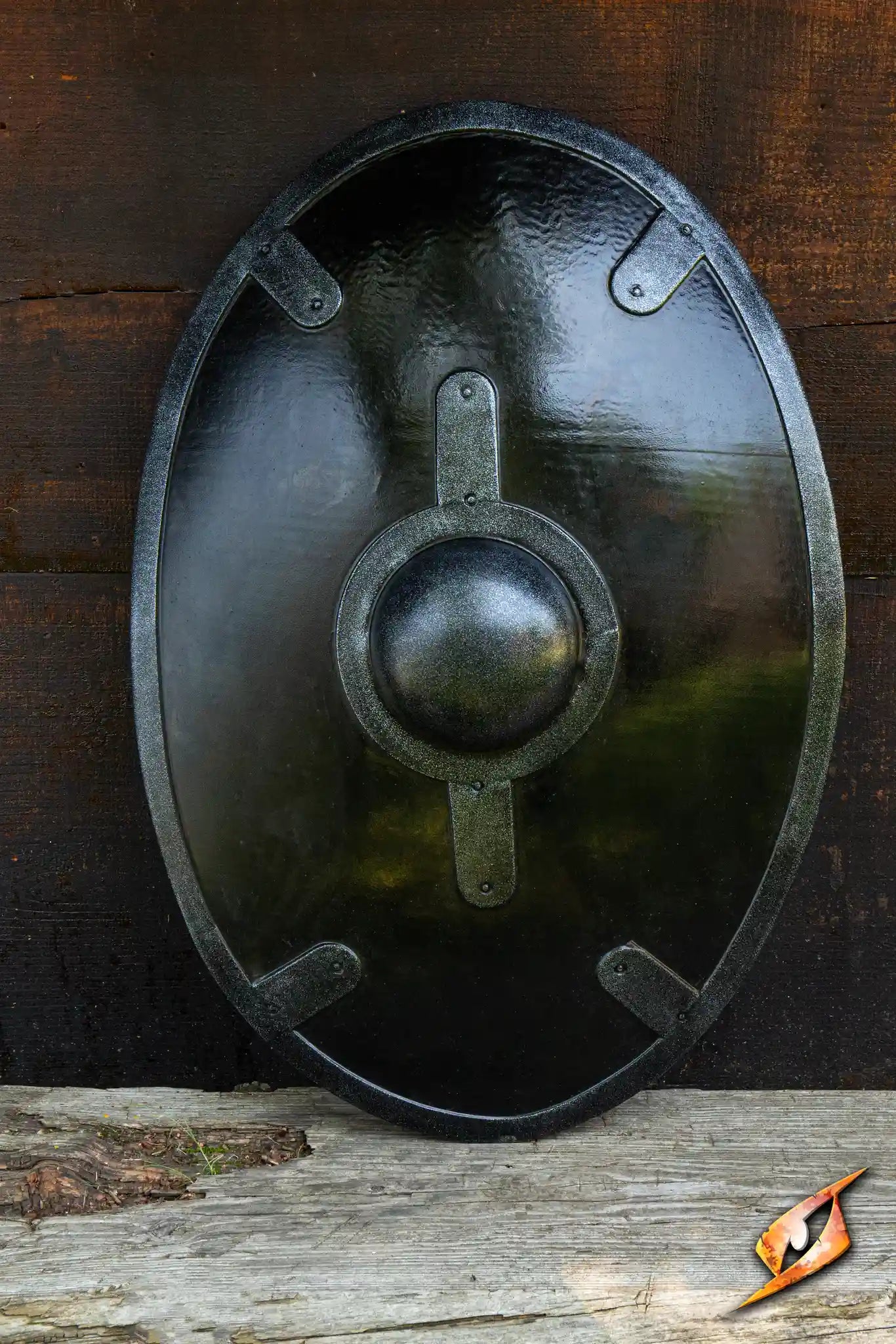
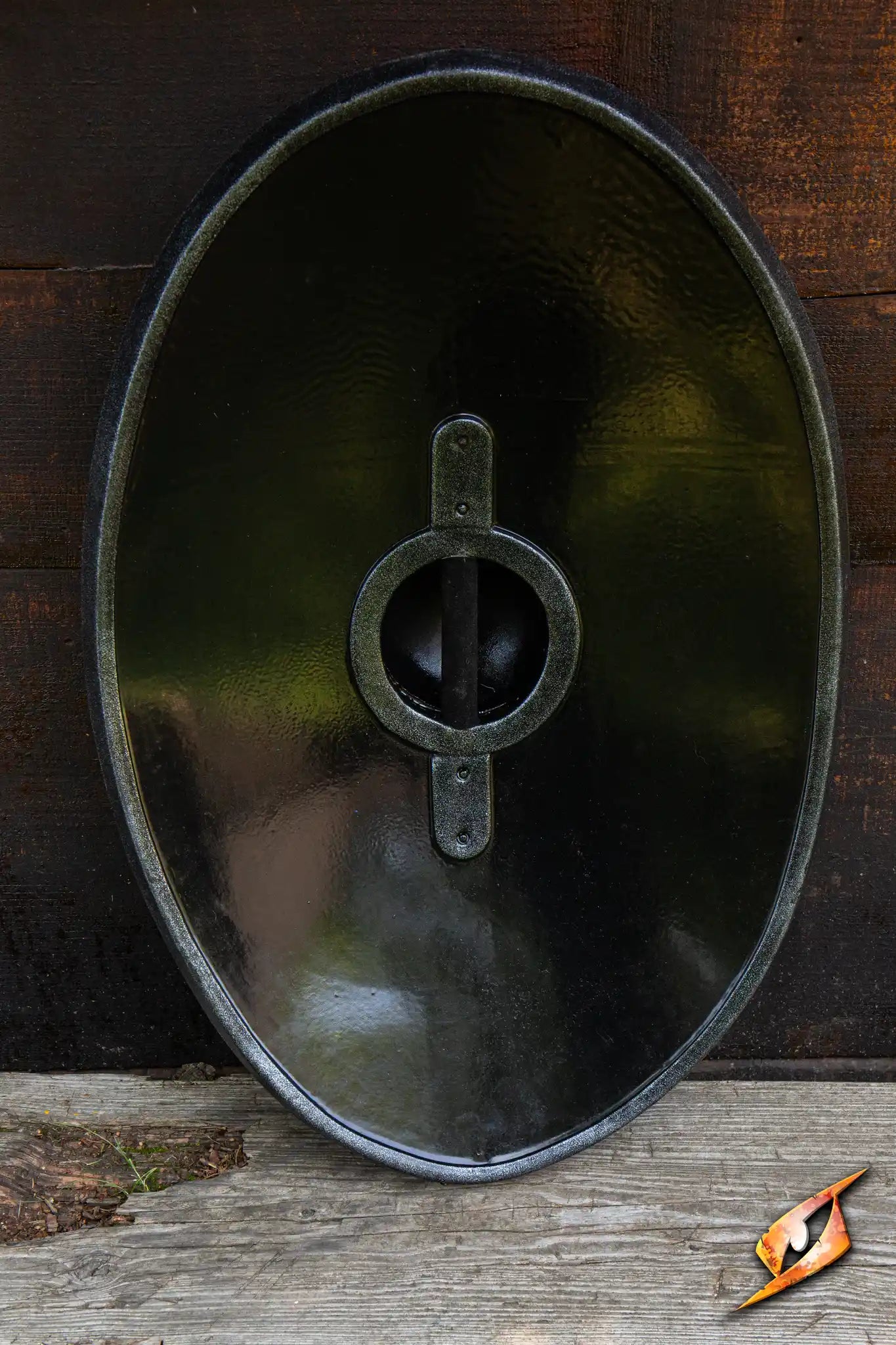
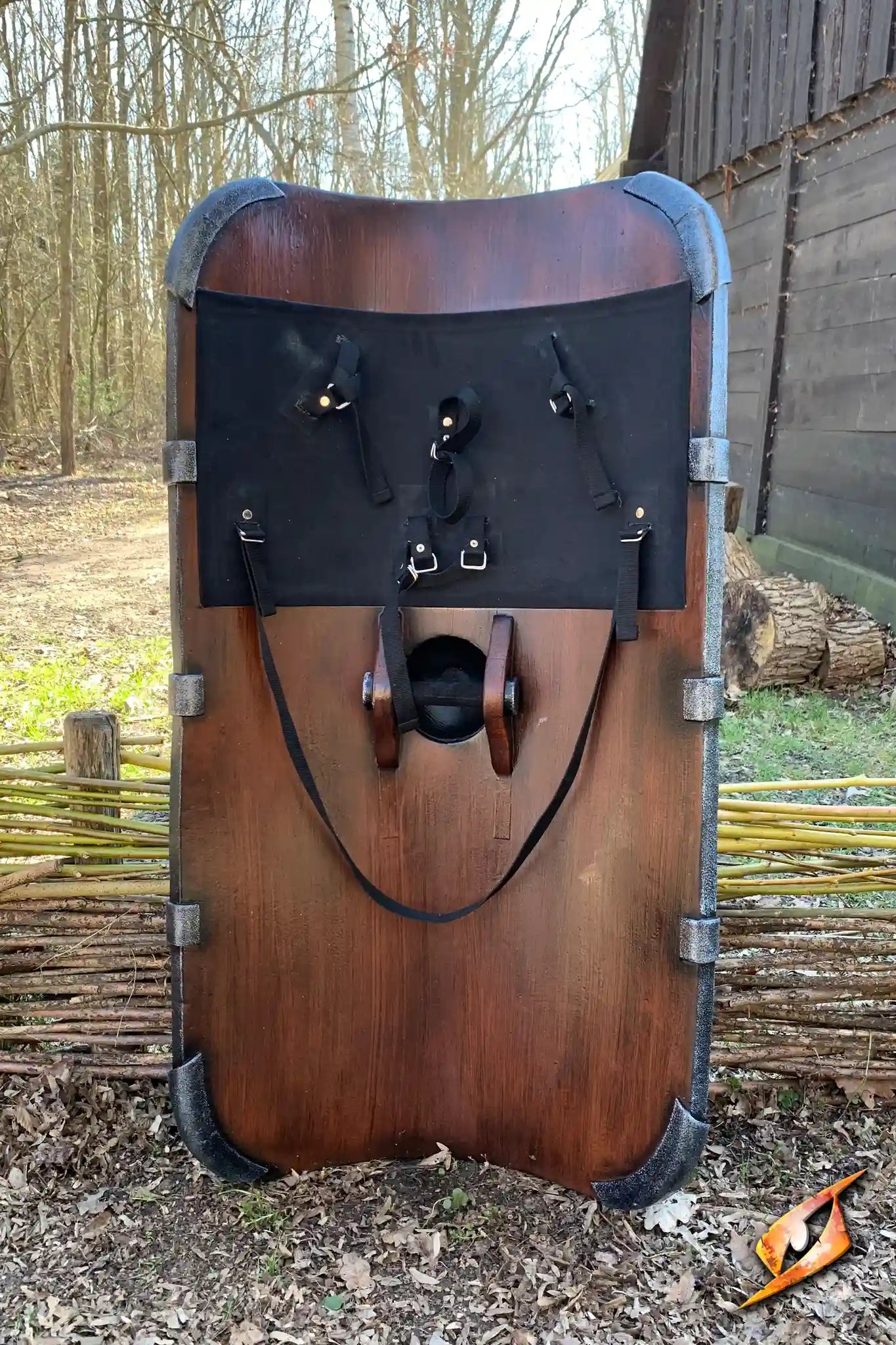
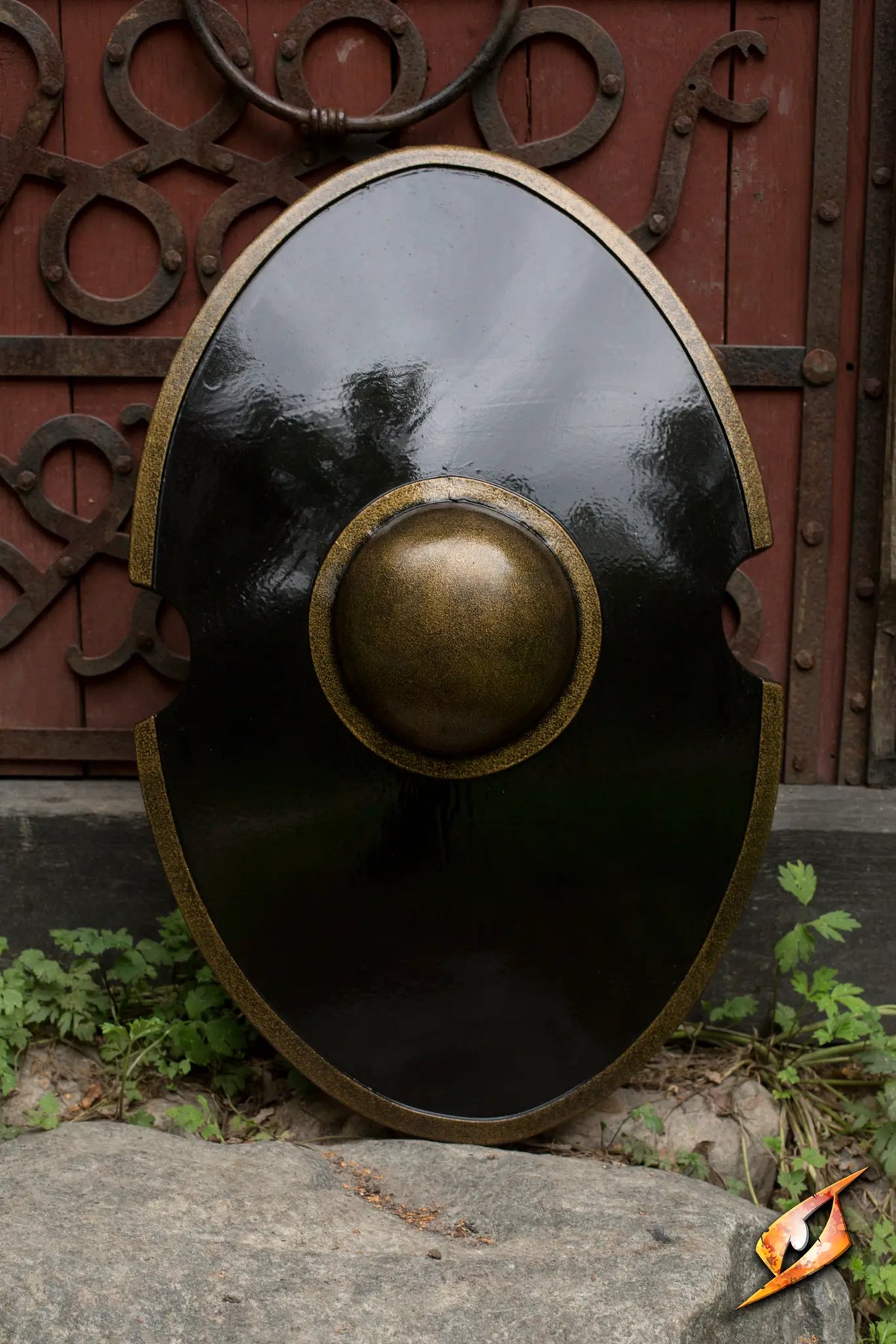
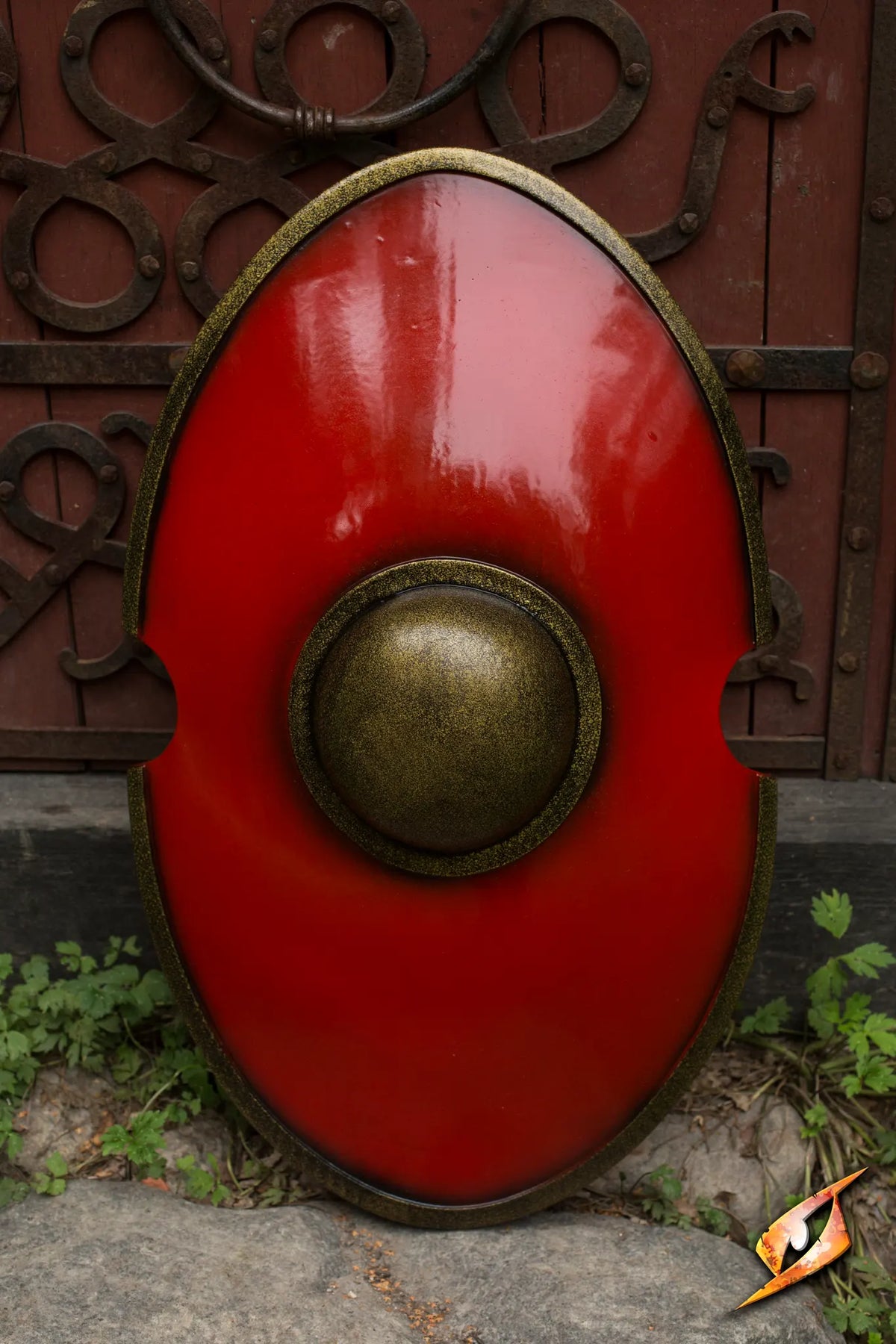
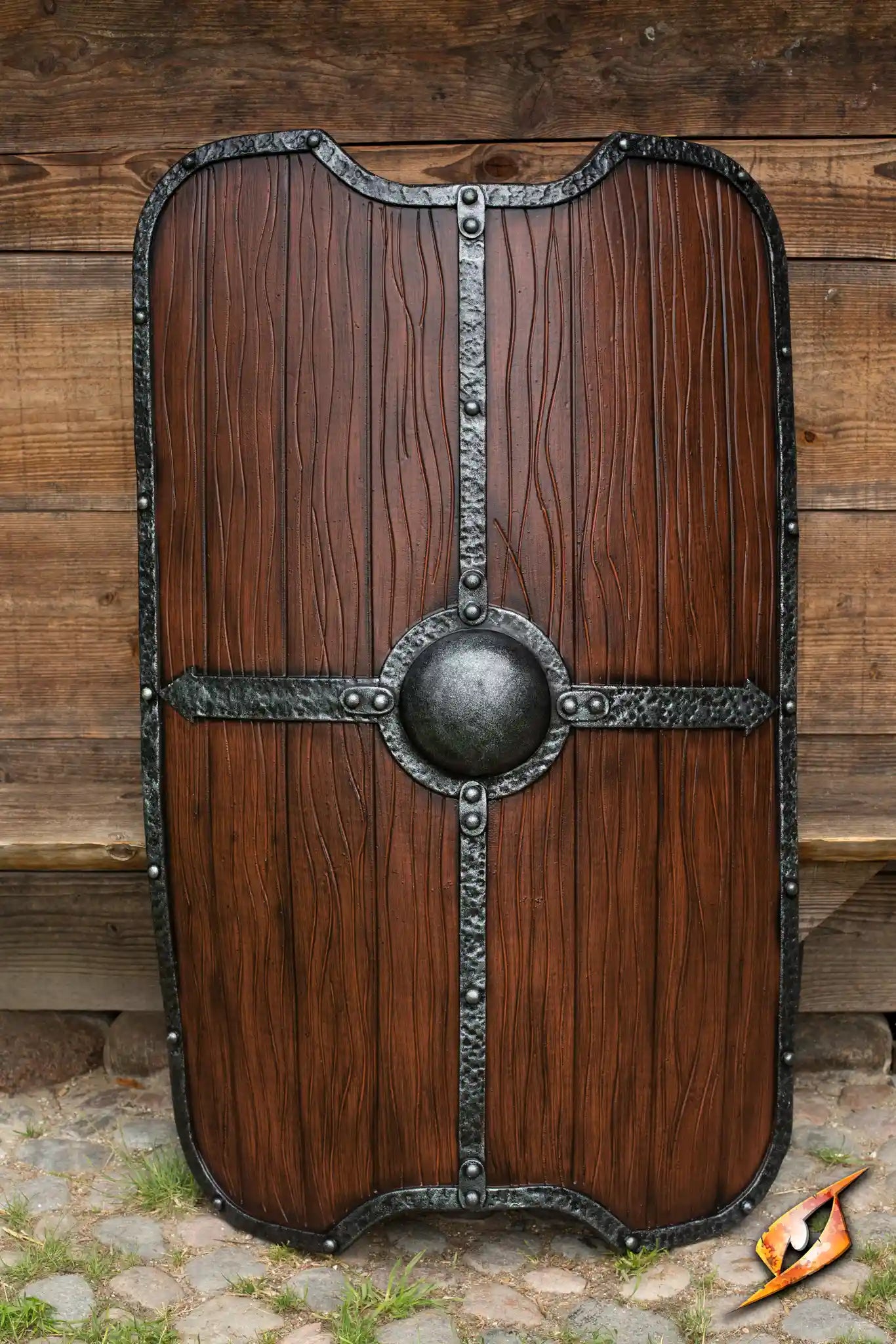
Soldiers of ancient Rome started to use the scutum around the 4th century BC. At first, the scutum was oval, but by the 1st century B.C. the oval shape transformed into a rectangular curved shield that protects most of the body.
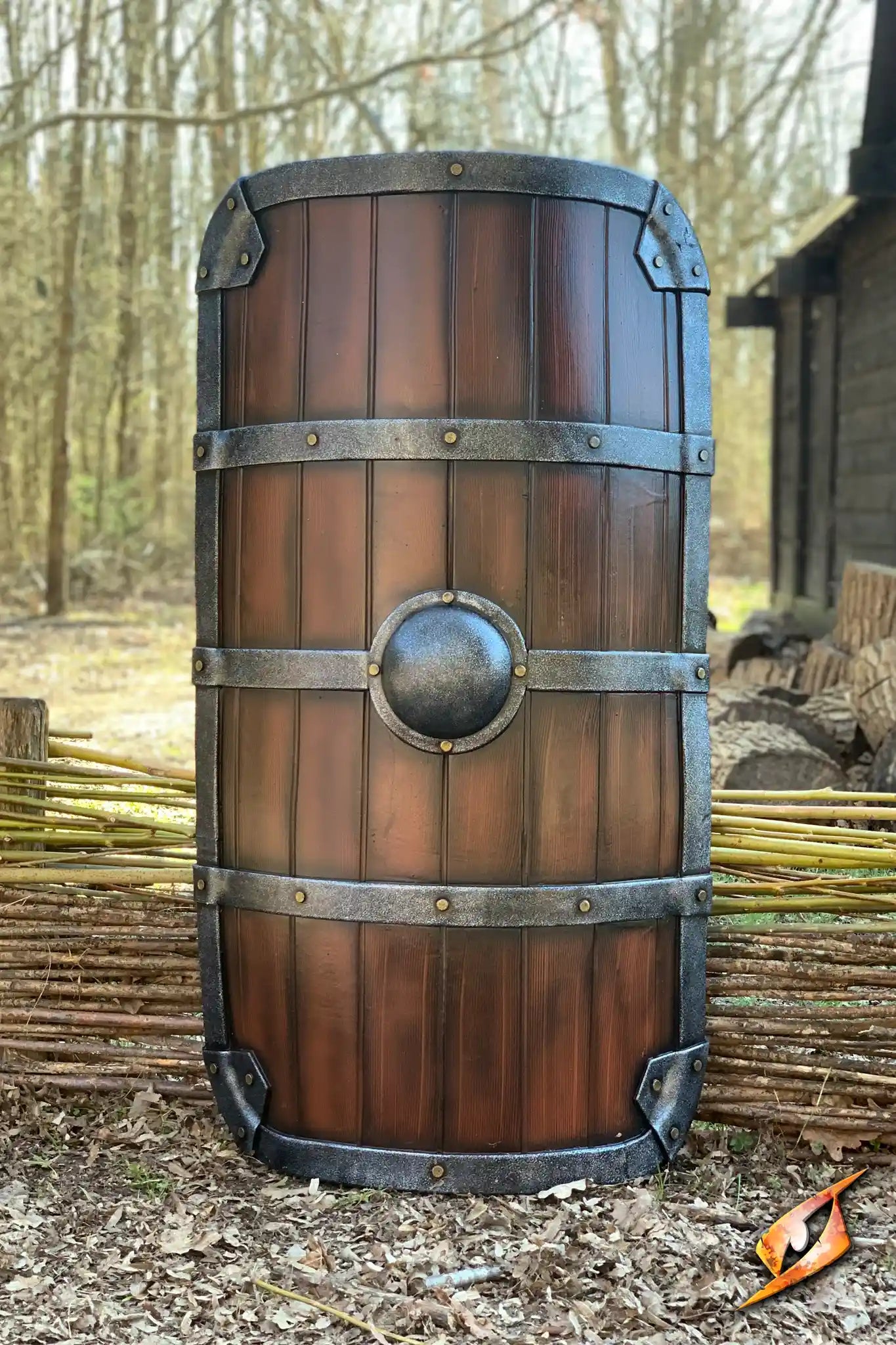
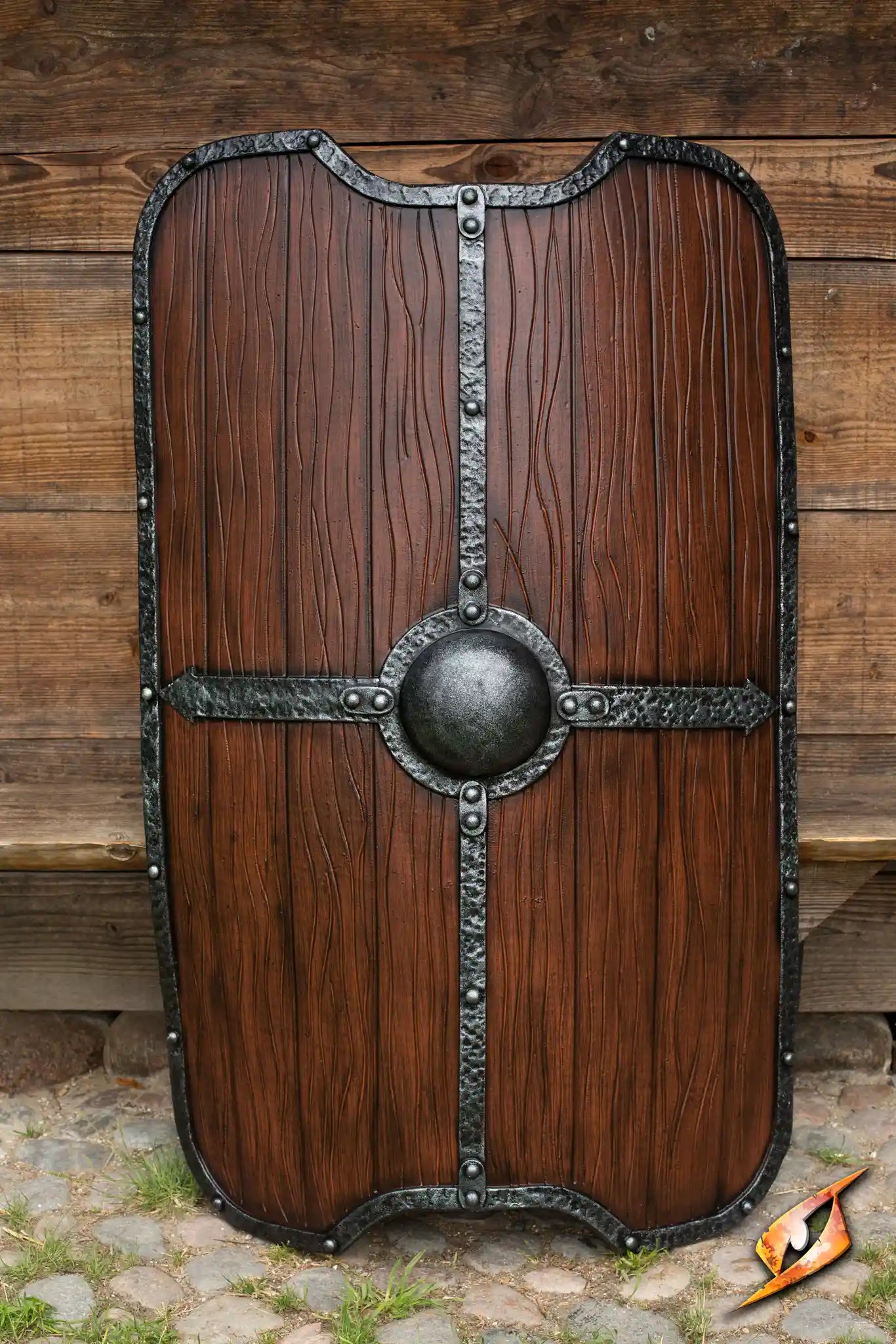
The rectangular curved shape not only protected the extended leg during the battle, but also provided cohesion. Roman infantry fought as a wall of interlocking shields, perfectly locked together into a famous testudo (tortoise) to deflect arrows and spears from every angle.
Types of the scutum:
- Oval Scutum Shield: Republican-era design, vertical curvature helped to deflect blows, while the oval shape gave protection without compromising on mobility
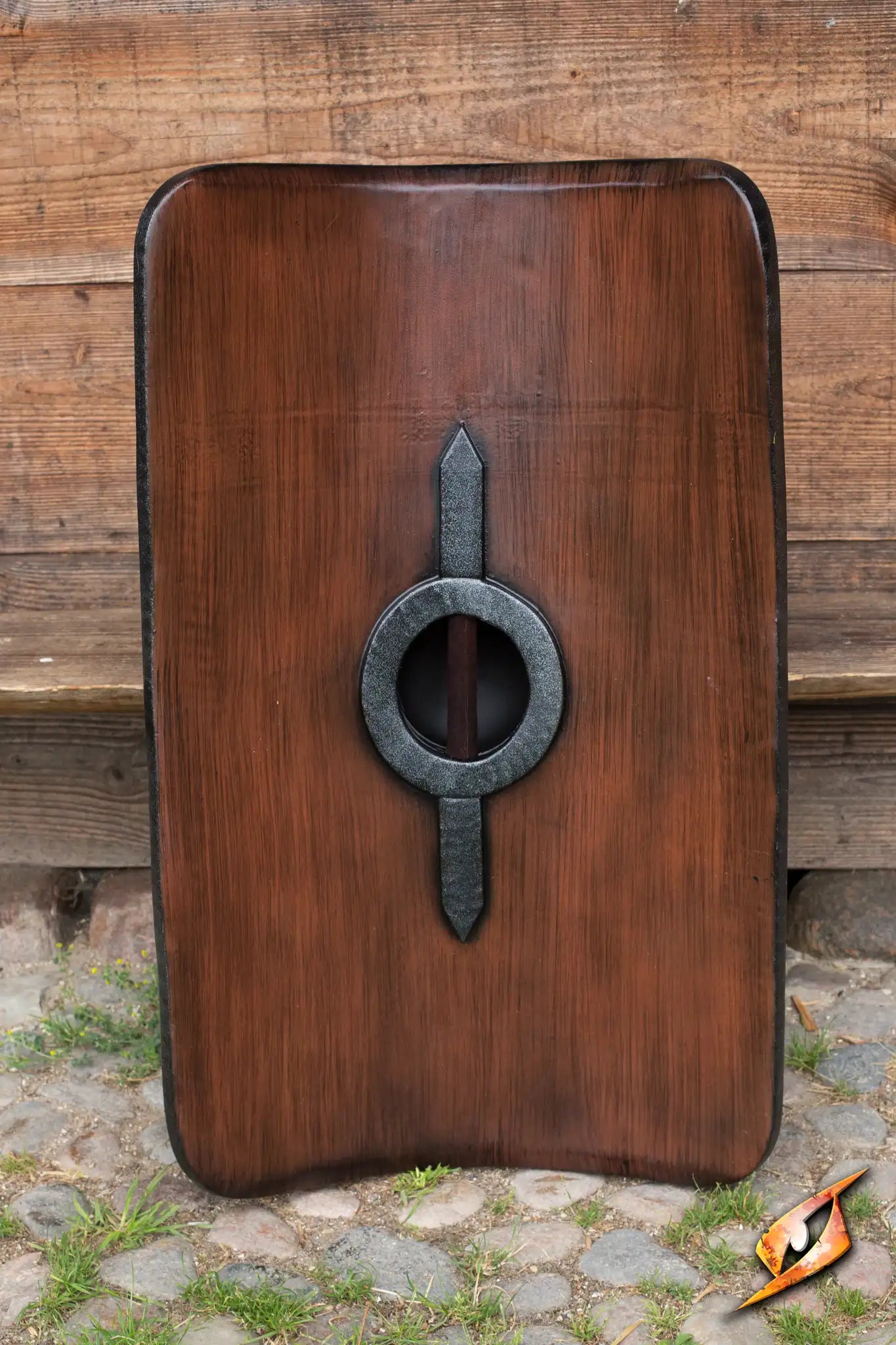
- Square/Rectangular Scutum Shield: quintessential legionary shield, flat-fronted and broad enough to cover a soldier from shoulder to knee
roman shields for larp
Celtic Influences
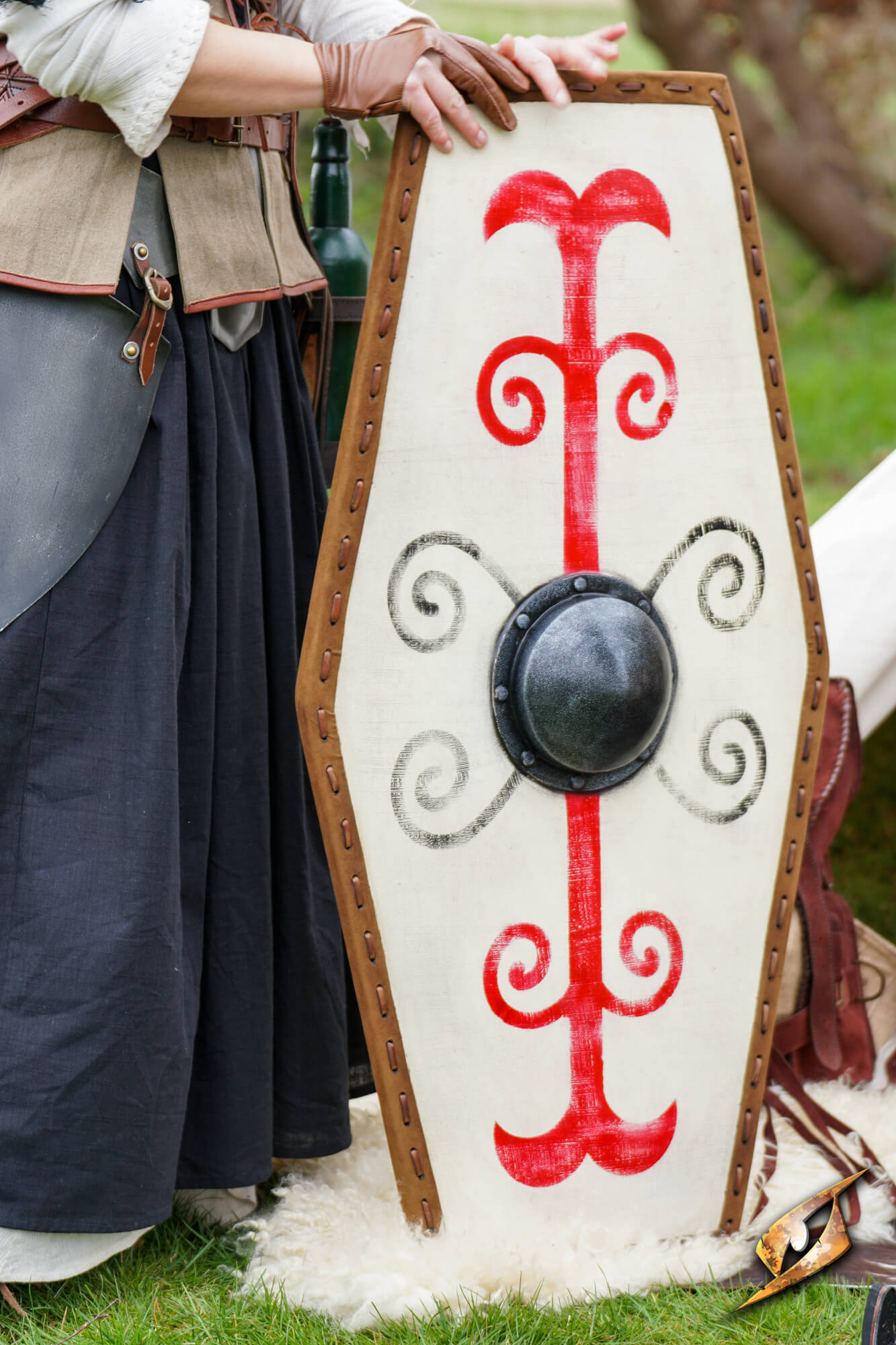
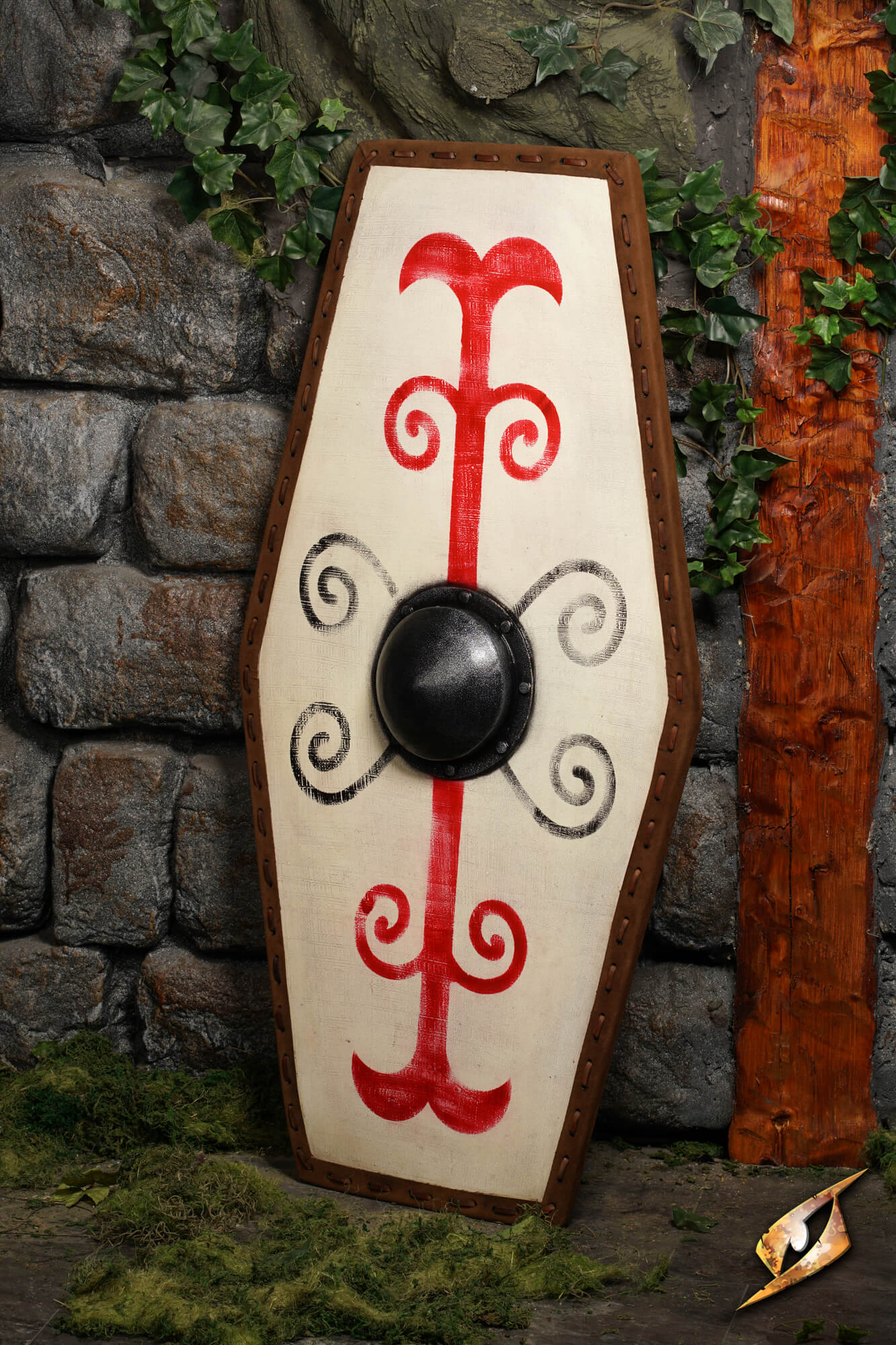
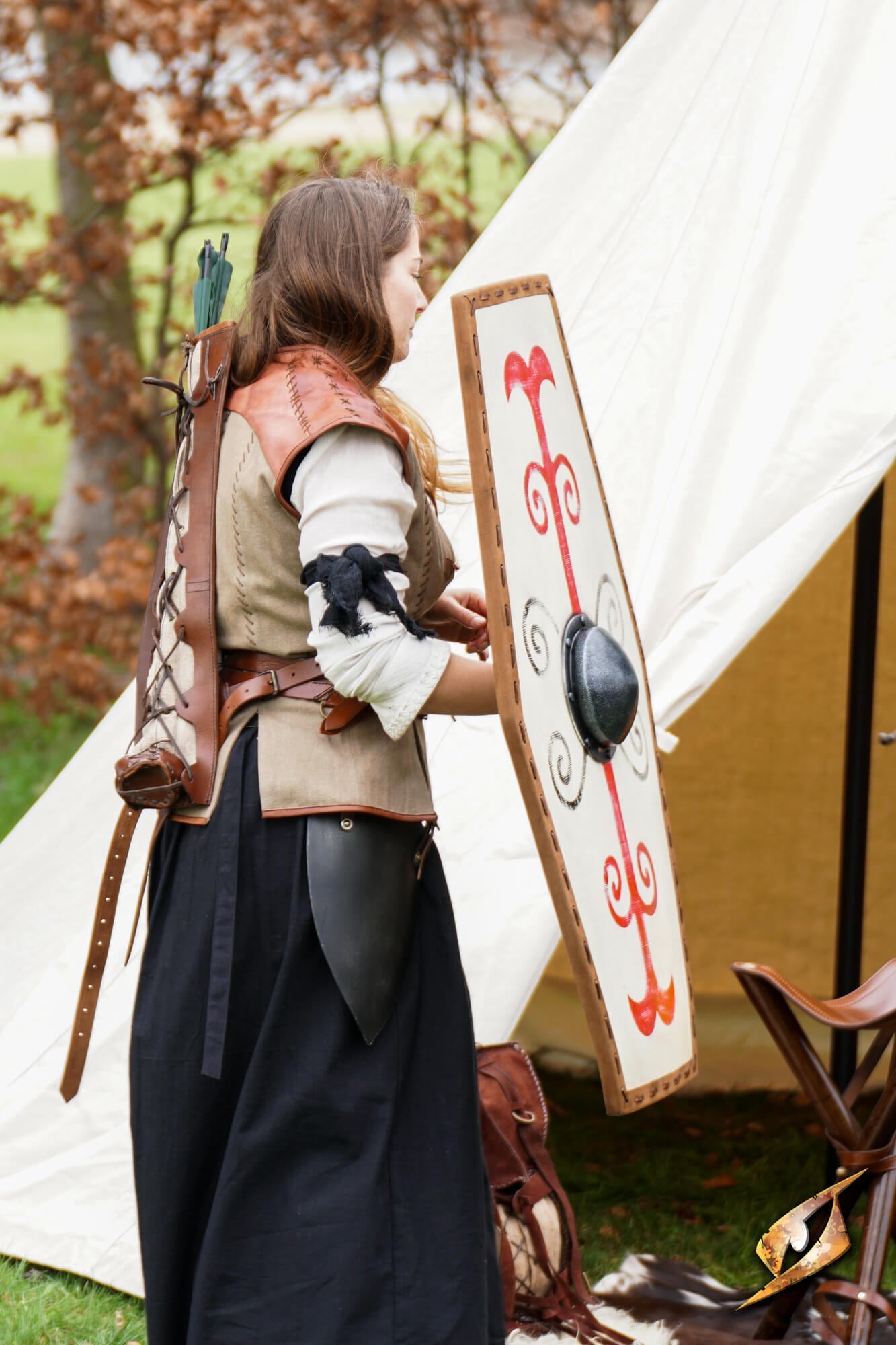
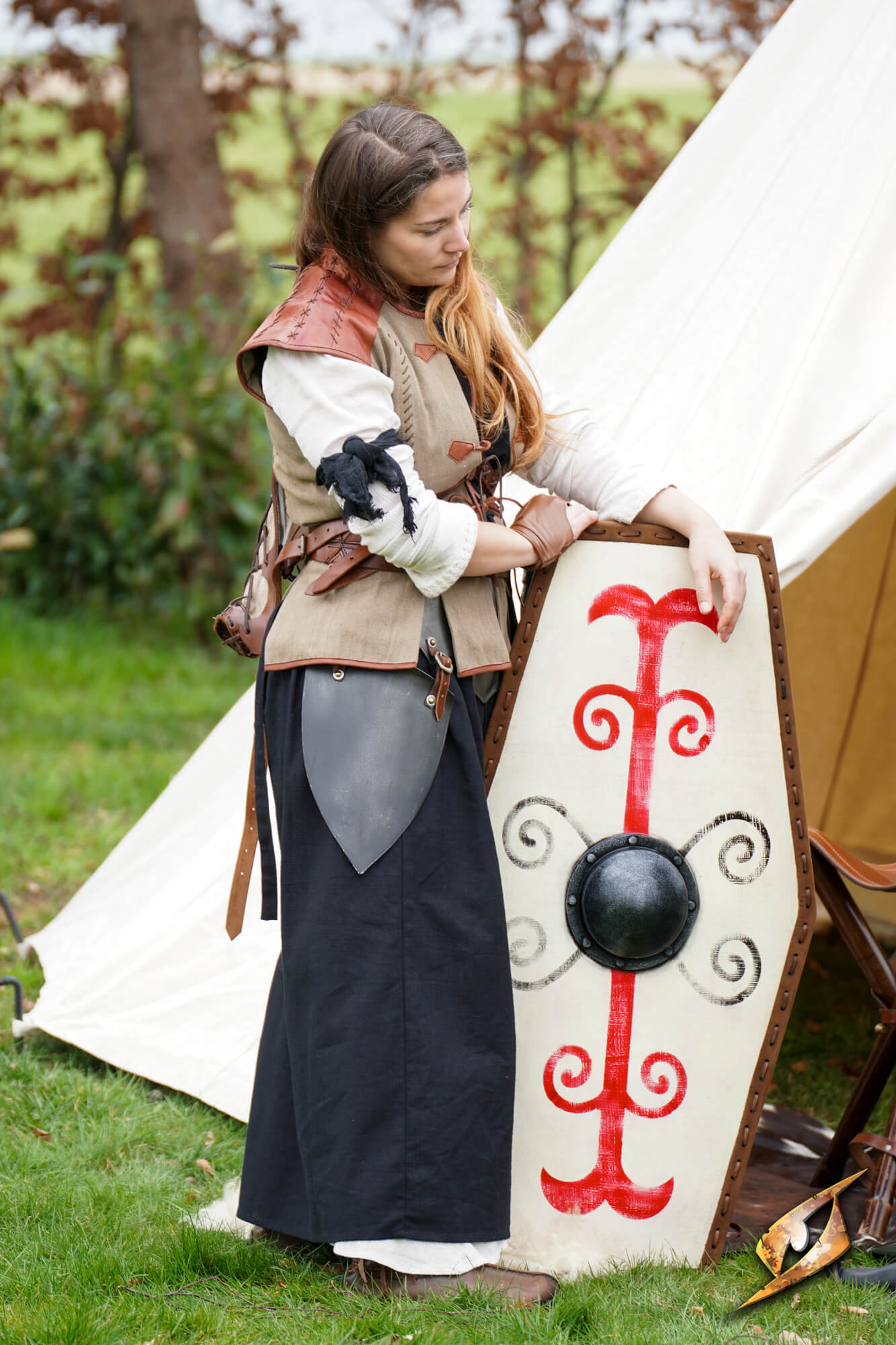
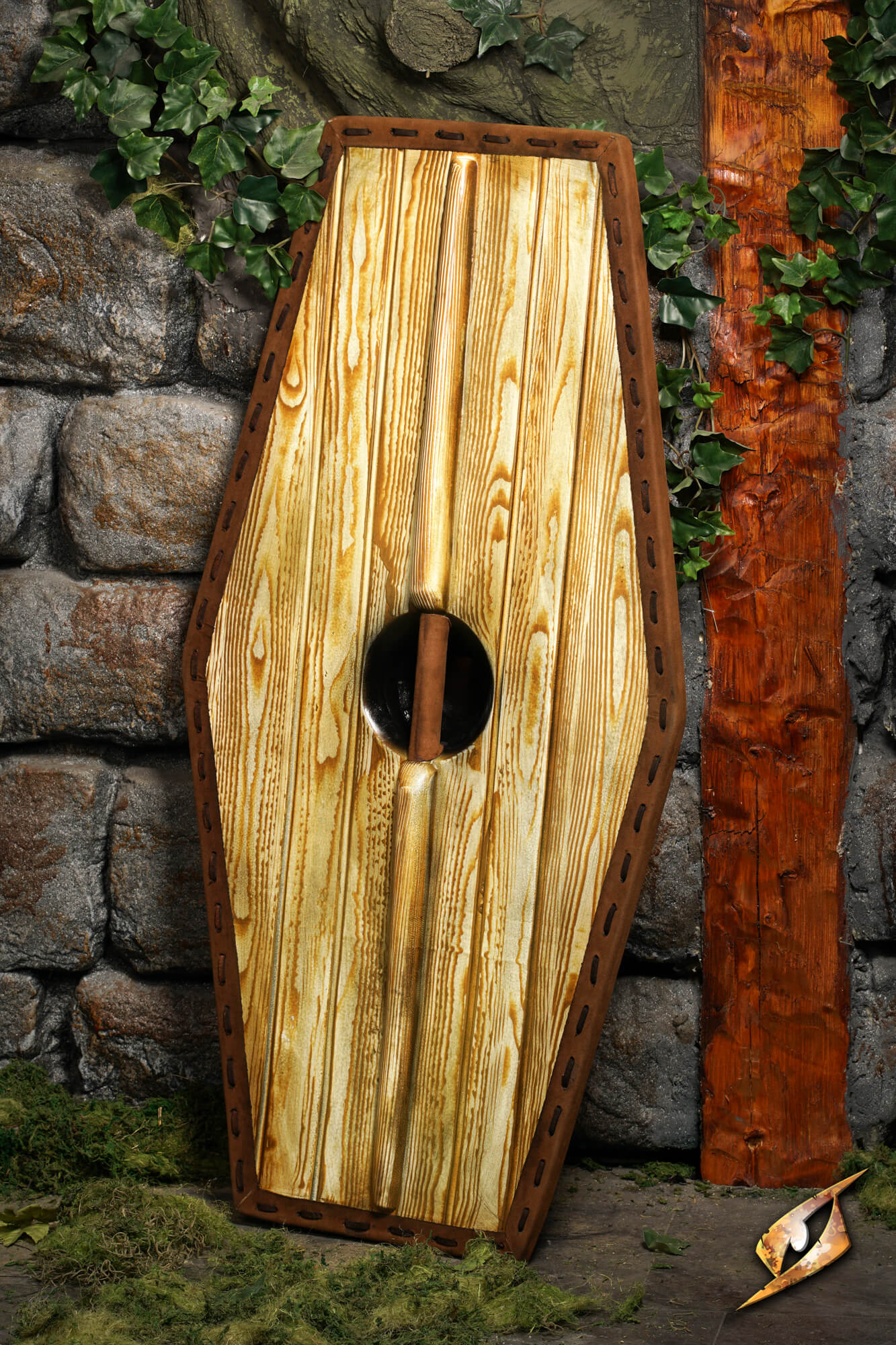
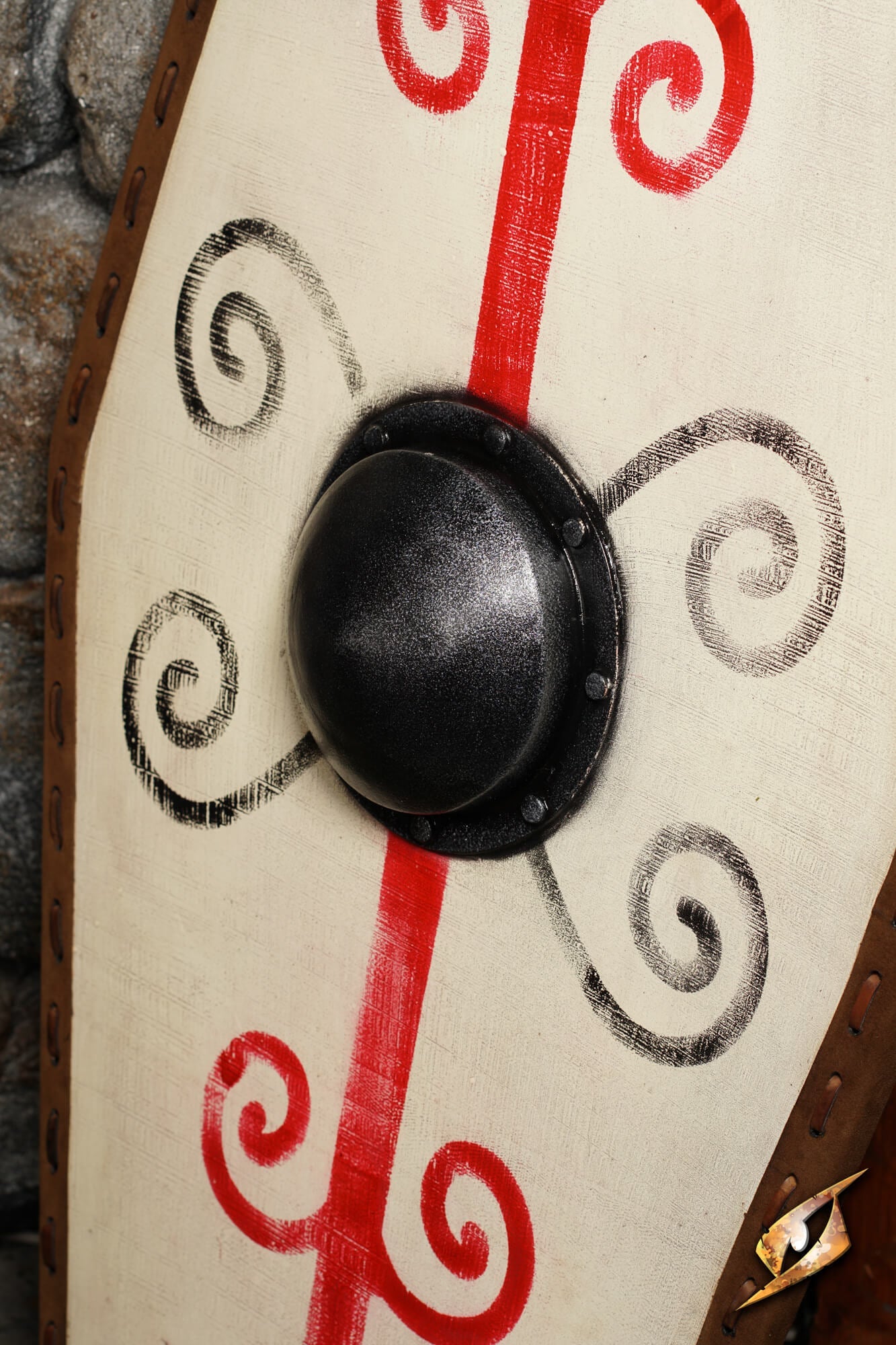
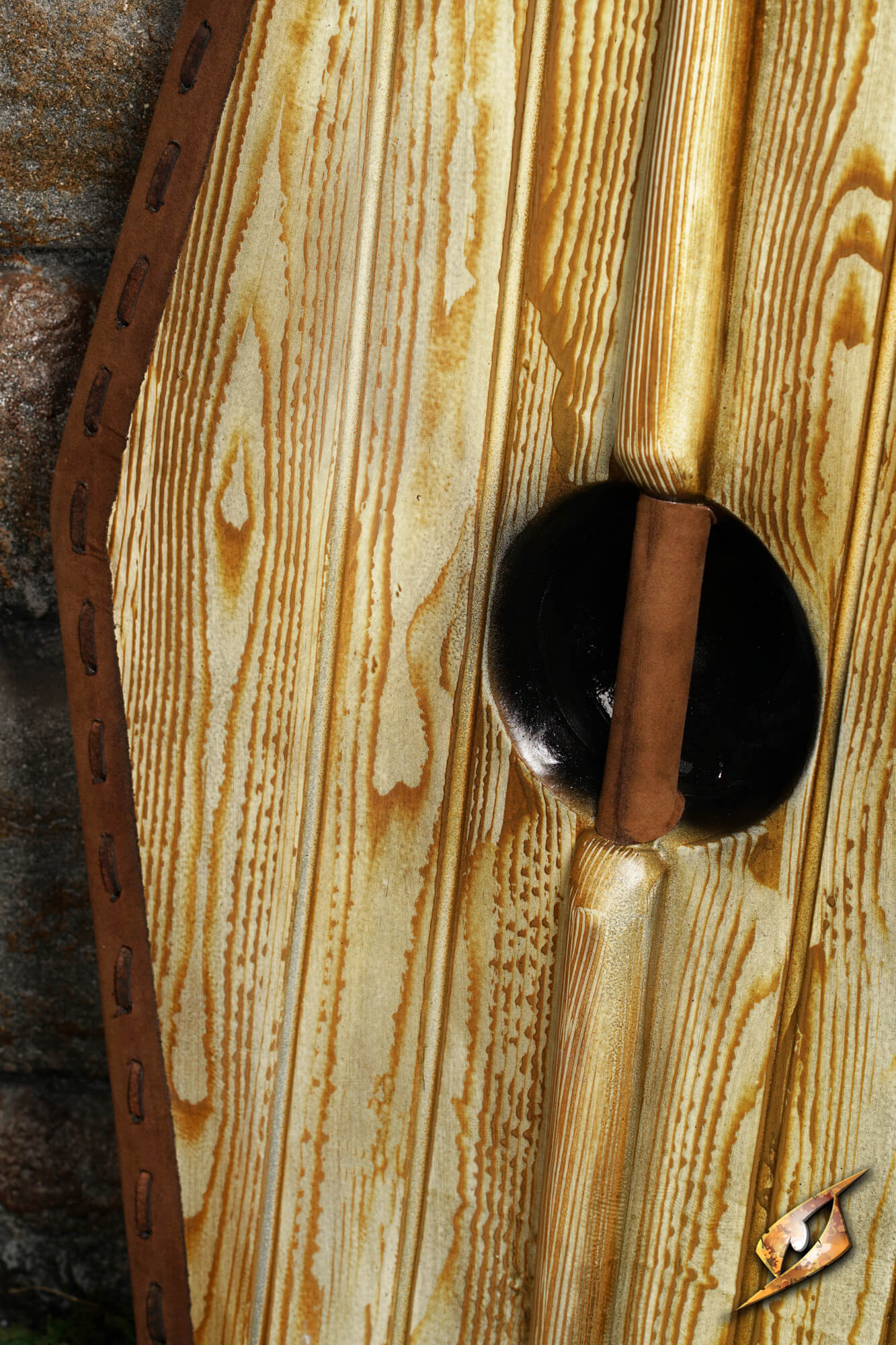
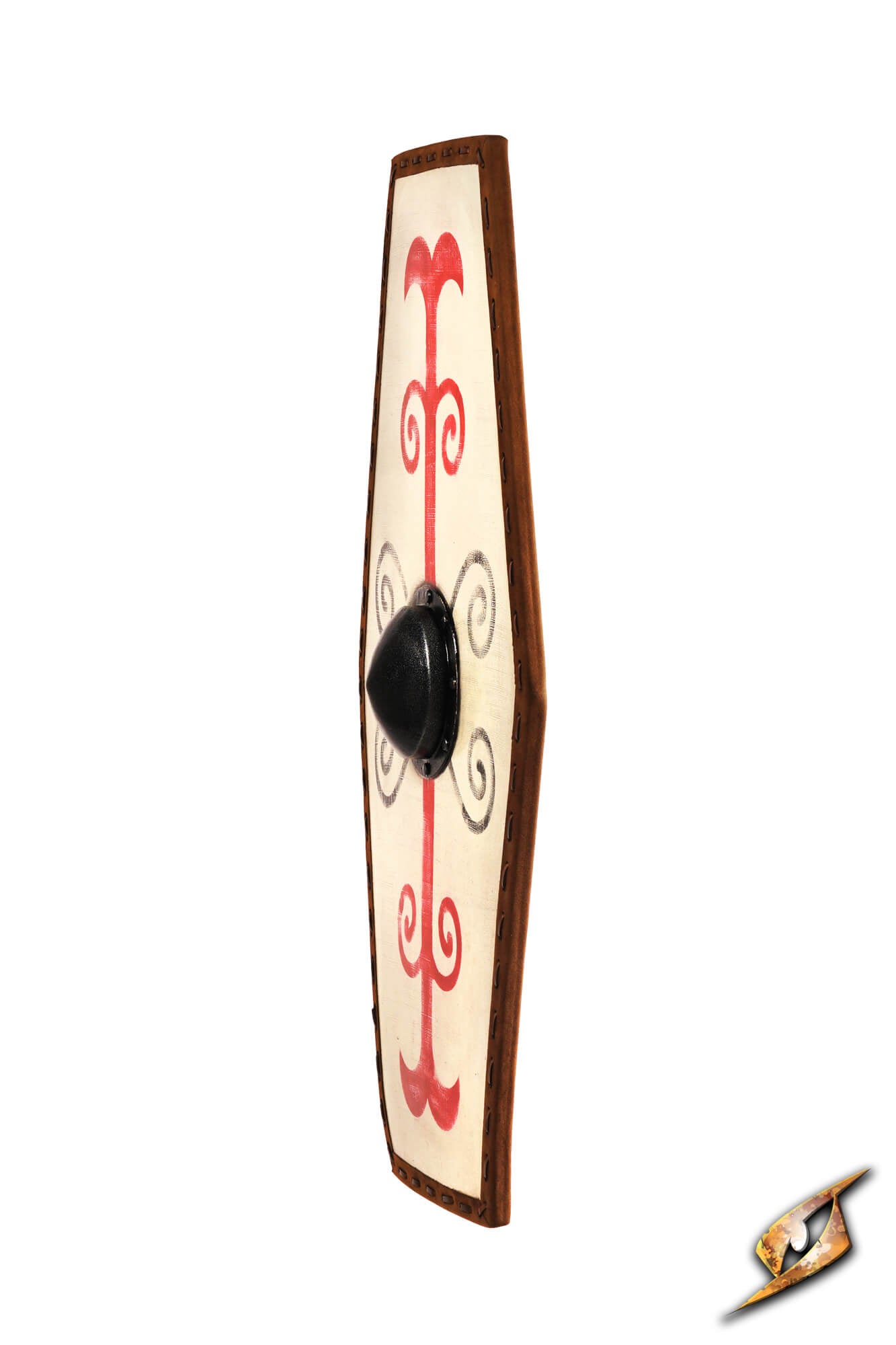
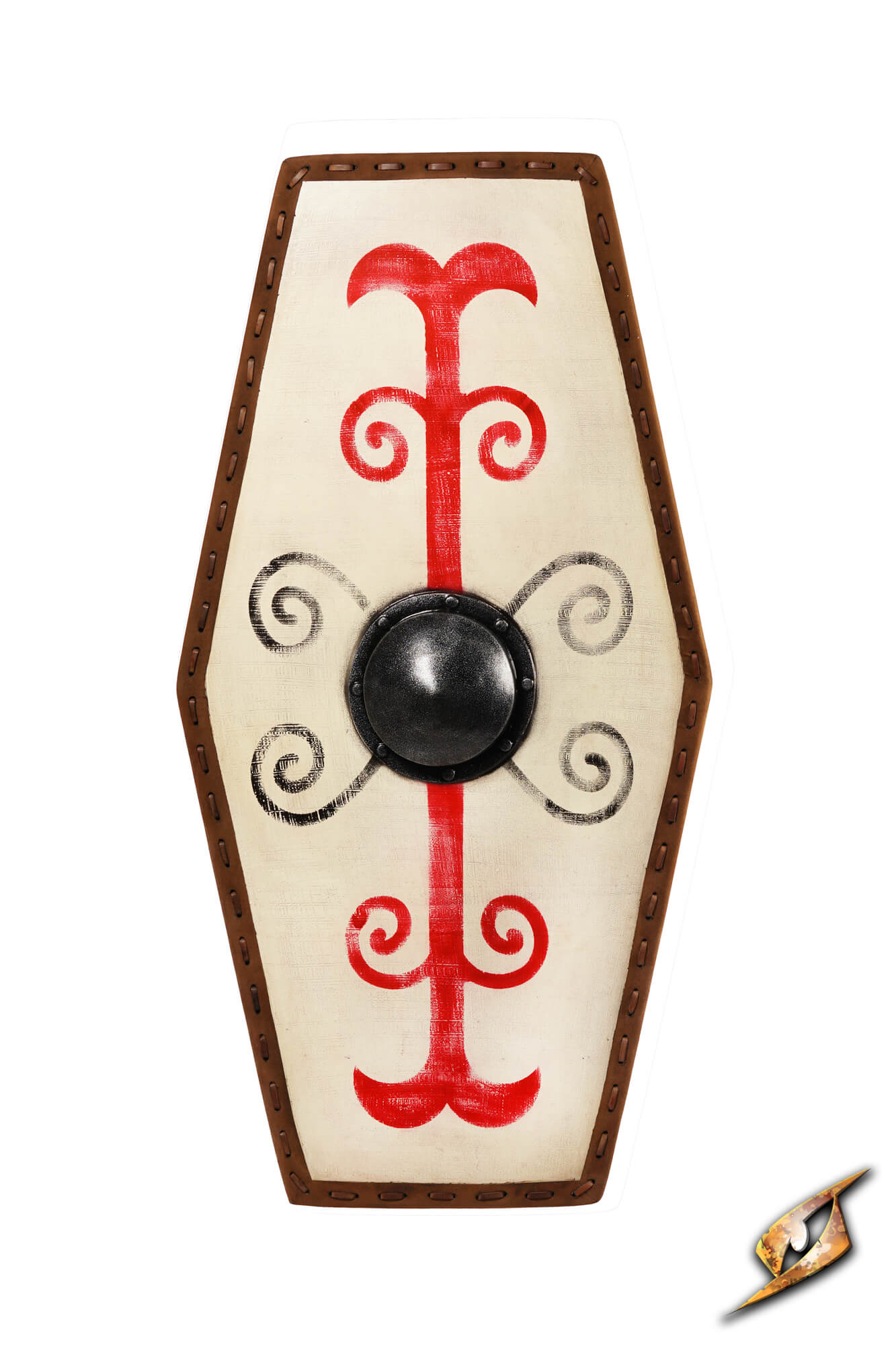
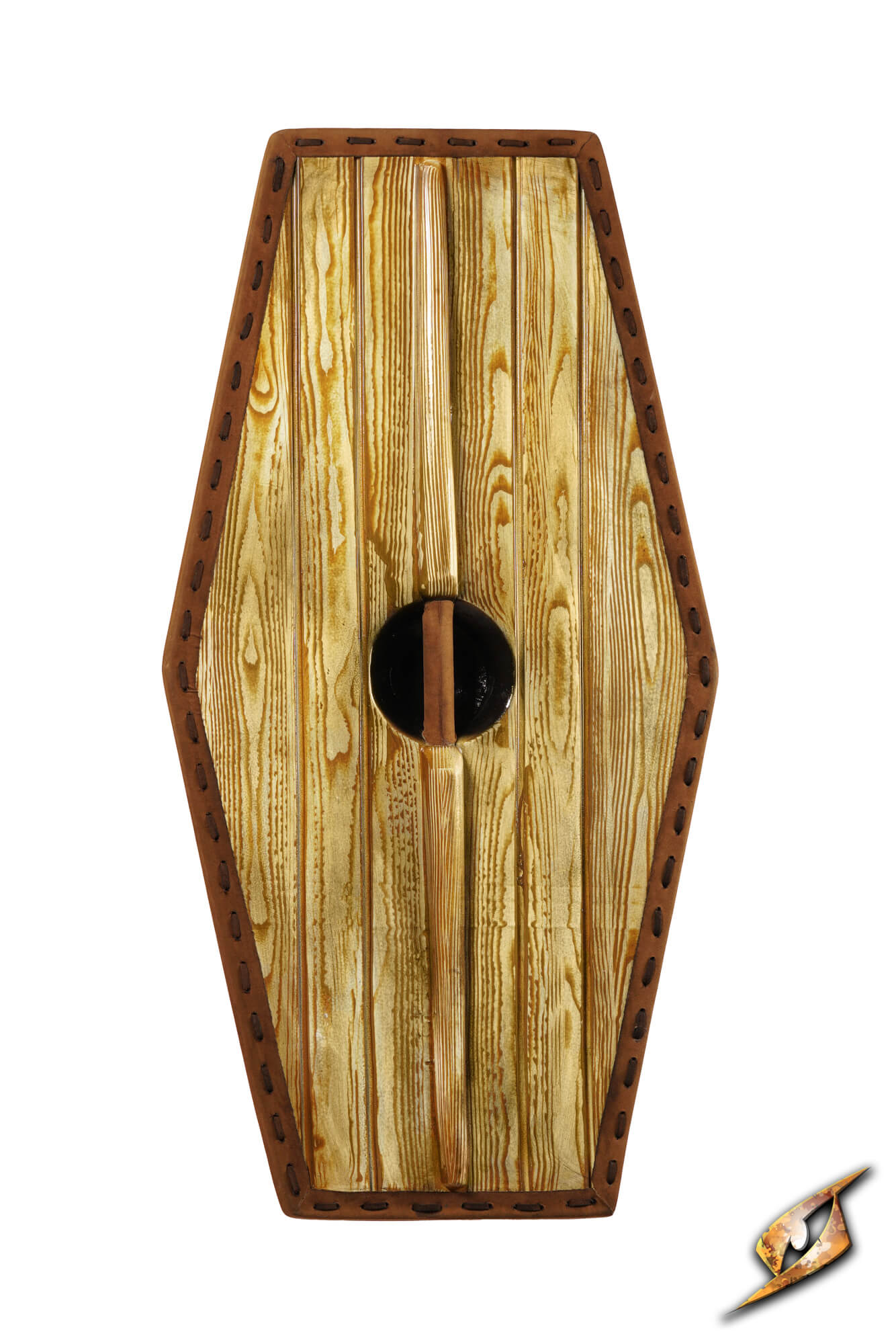
Around 250 B.C. Germanic tribes started to migrate south from the northern coasts, where the Rhine river served as a natural border between them and Celtic tribes that were located in the west. Celtic cultural influence spread to Germanic tribes in many ways, including military and warfare. Oval, hexagonal and soft, rounded-off rectangular shields were adopted by Germanic tribes.
- Hexagonal Germanic Shield: Historically made of one or multiple planks of wood connected together by special glue, often produced from birch bark, pine sap or animal hide. The exterior of the shield was covered in leather or hide and various designs were painted over it.
The Viking Age
Round Shields
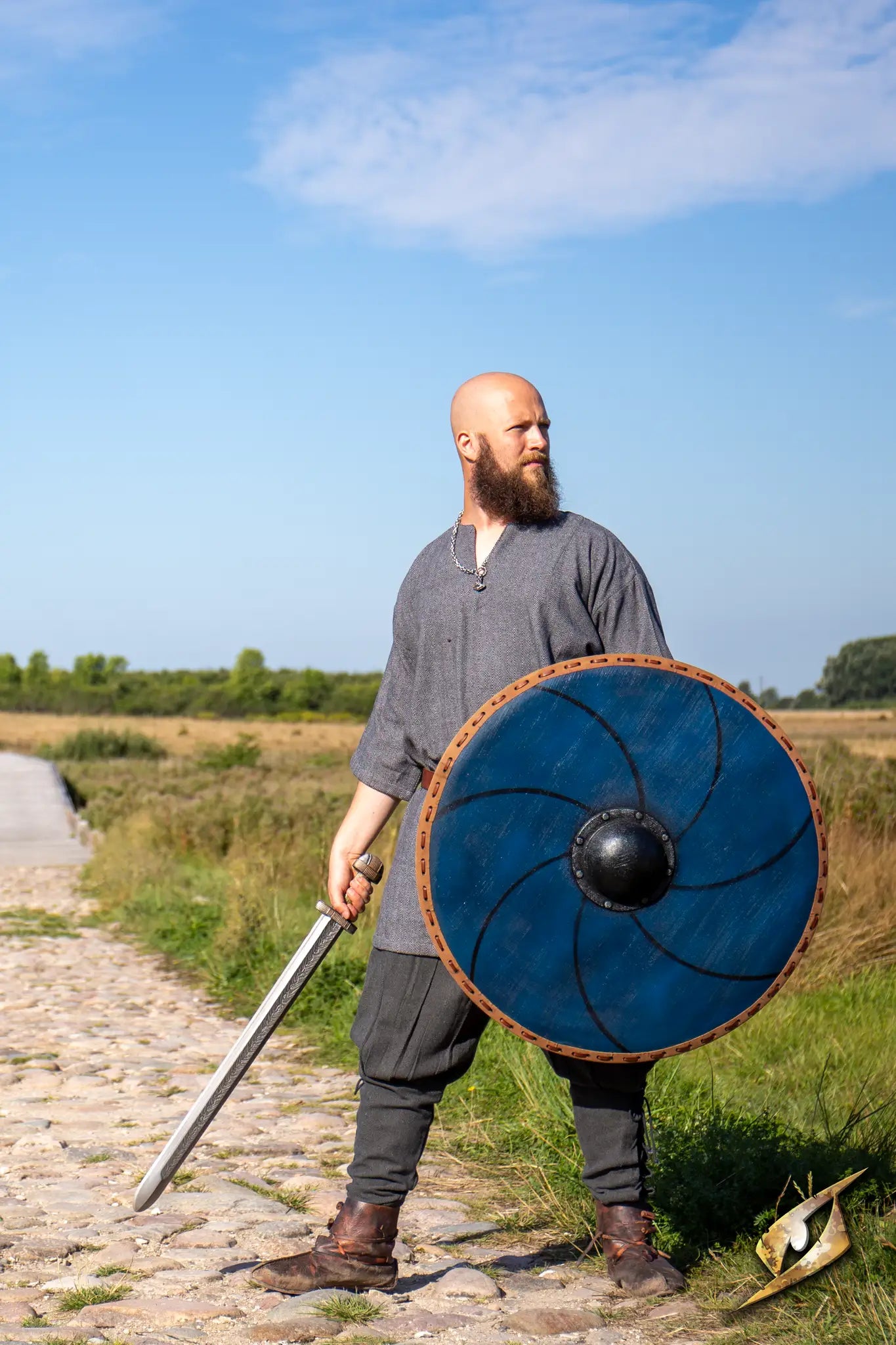
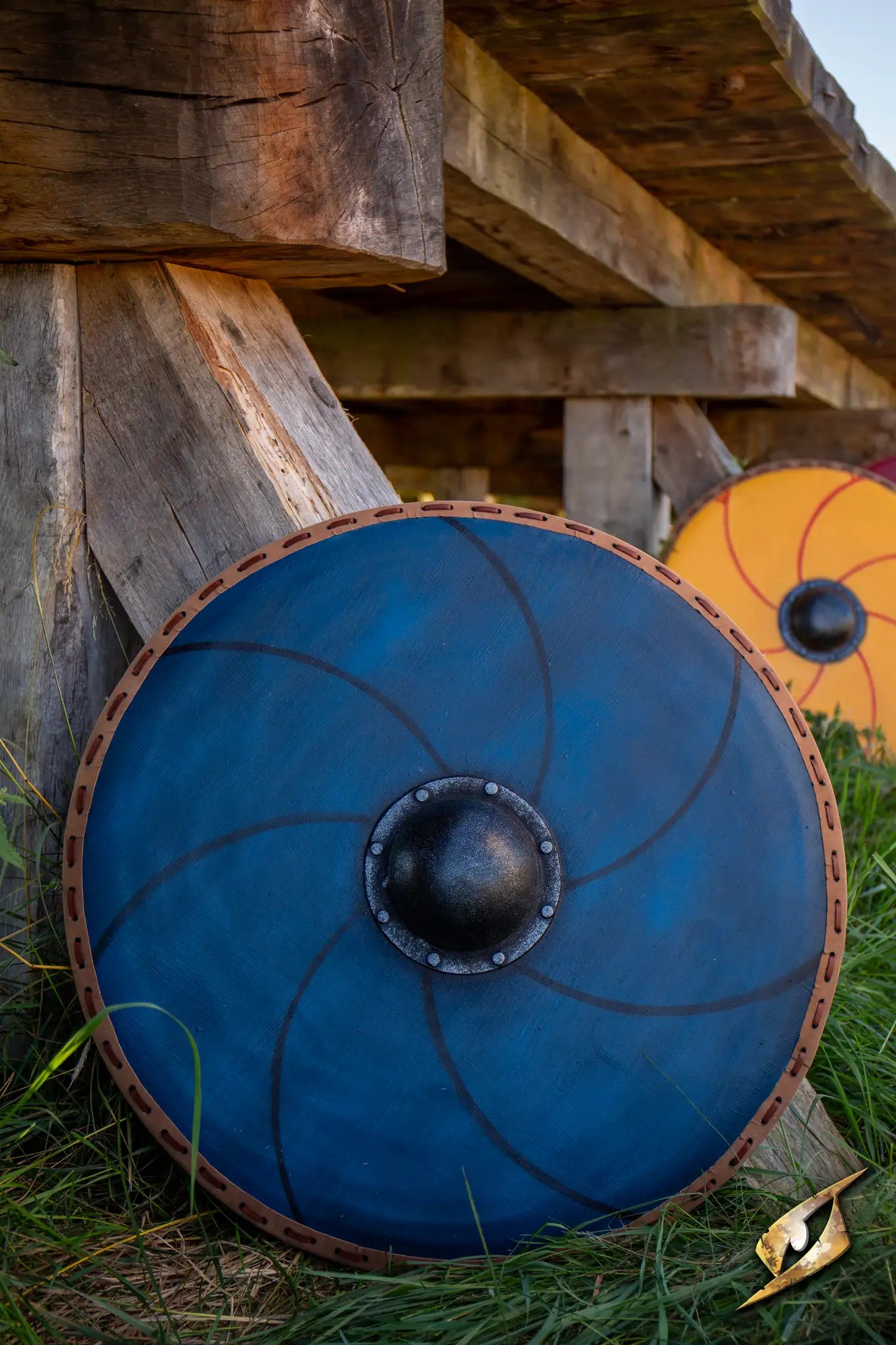
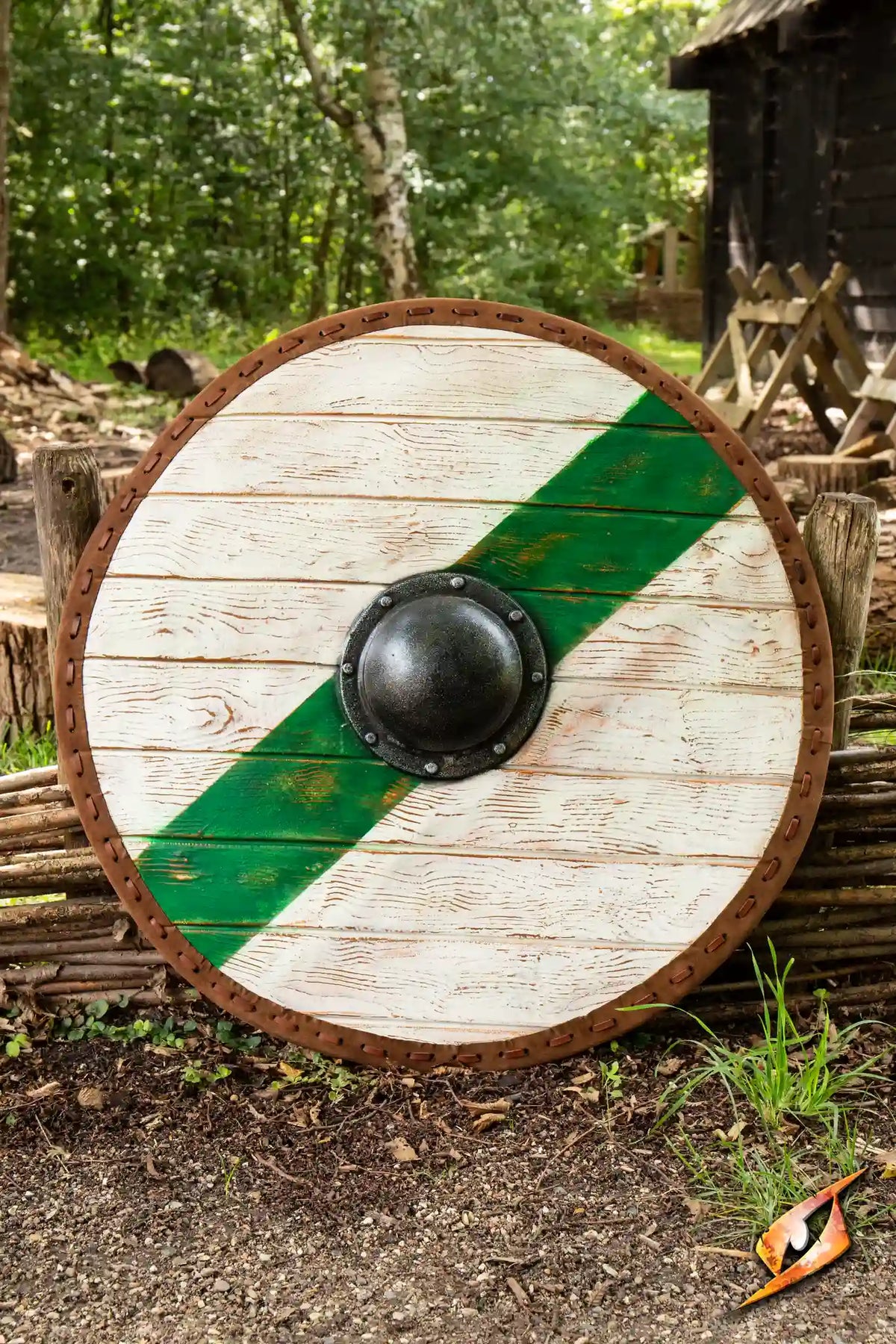
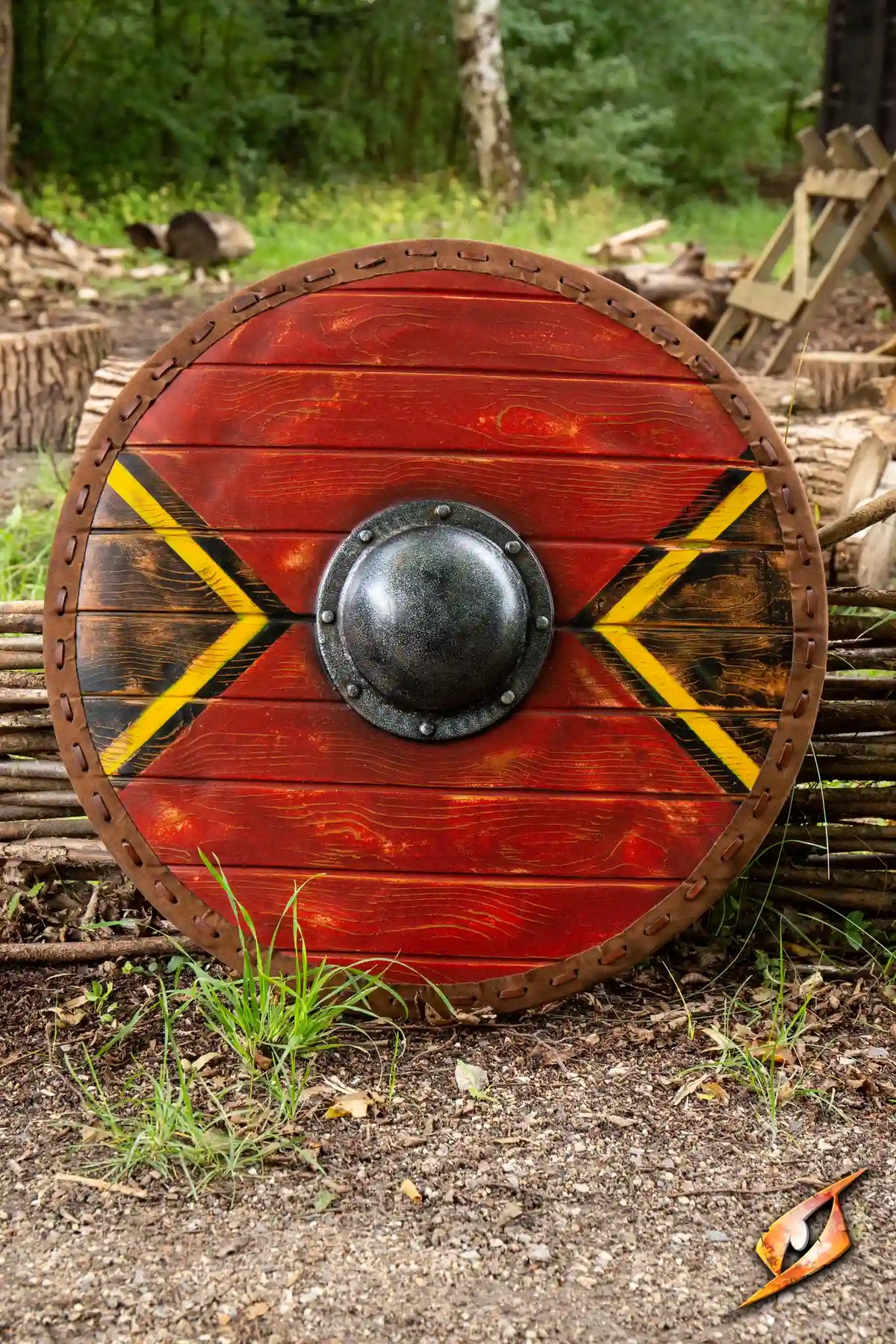
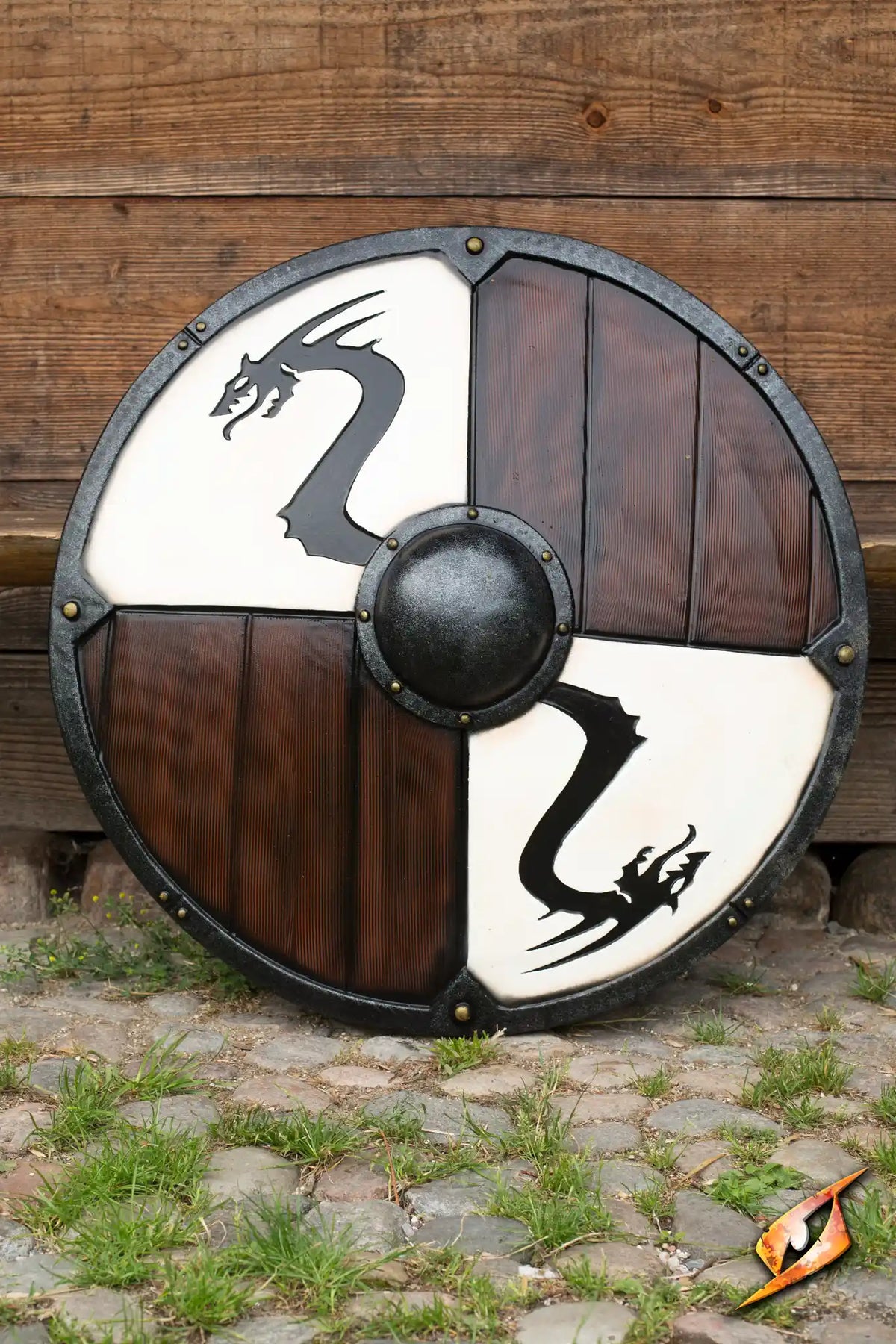
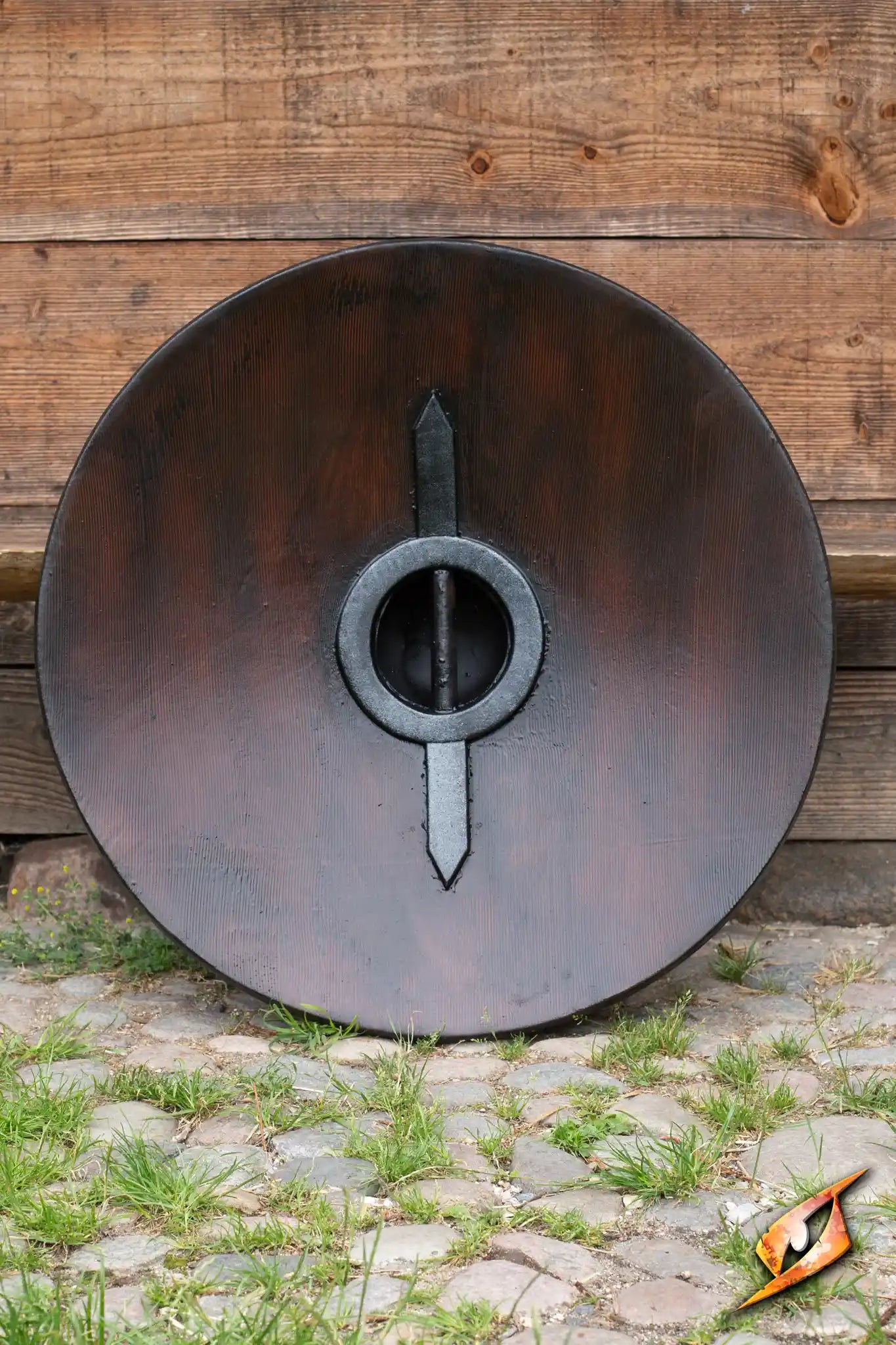
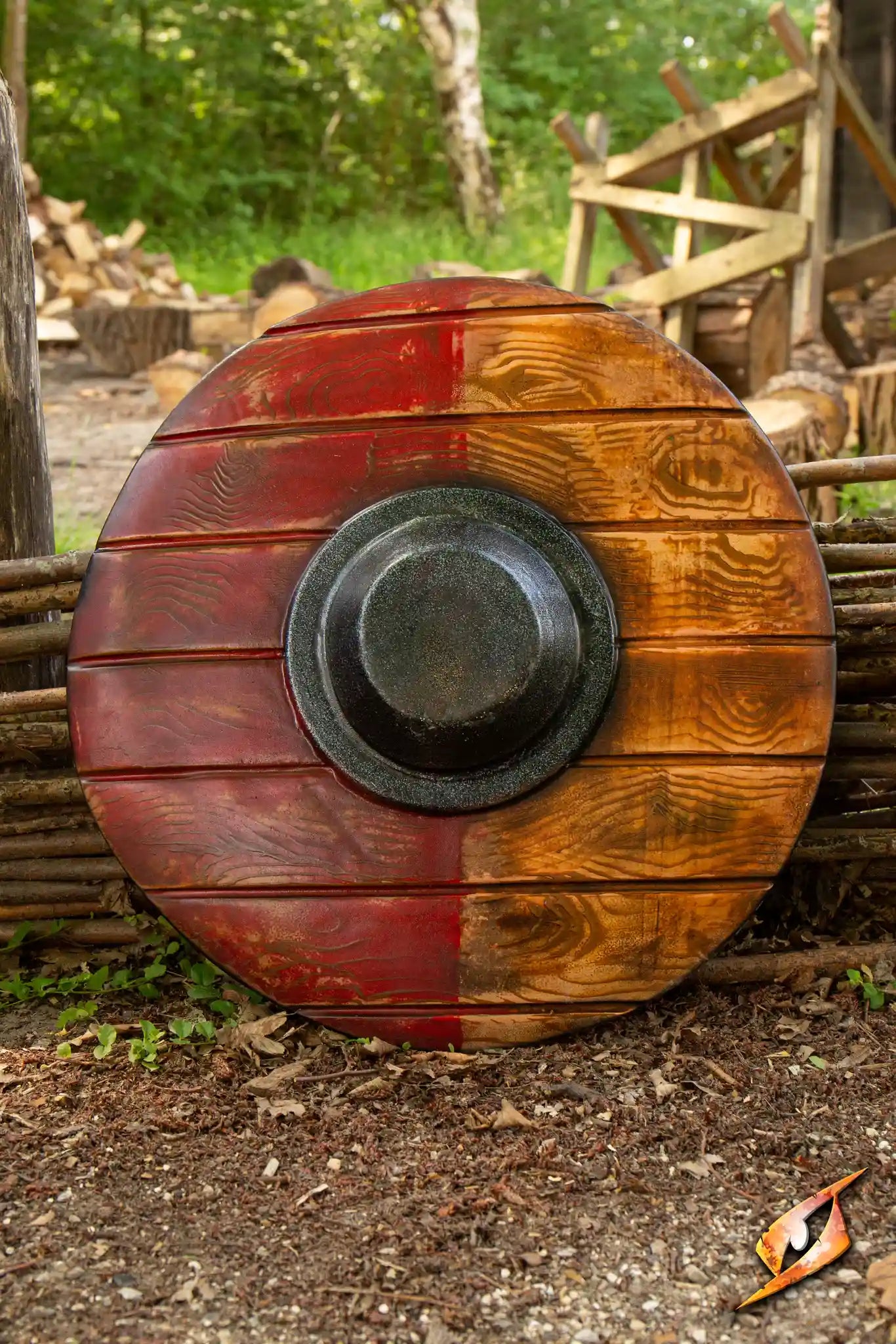
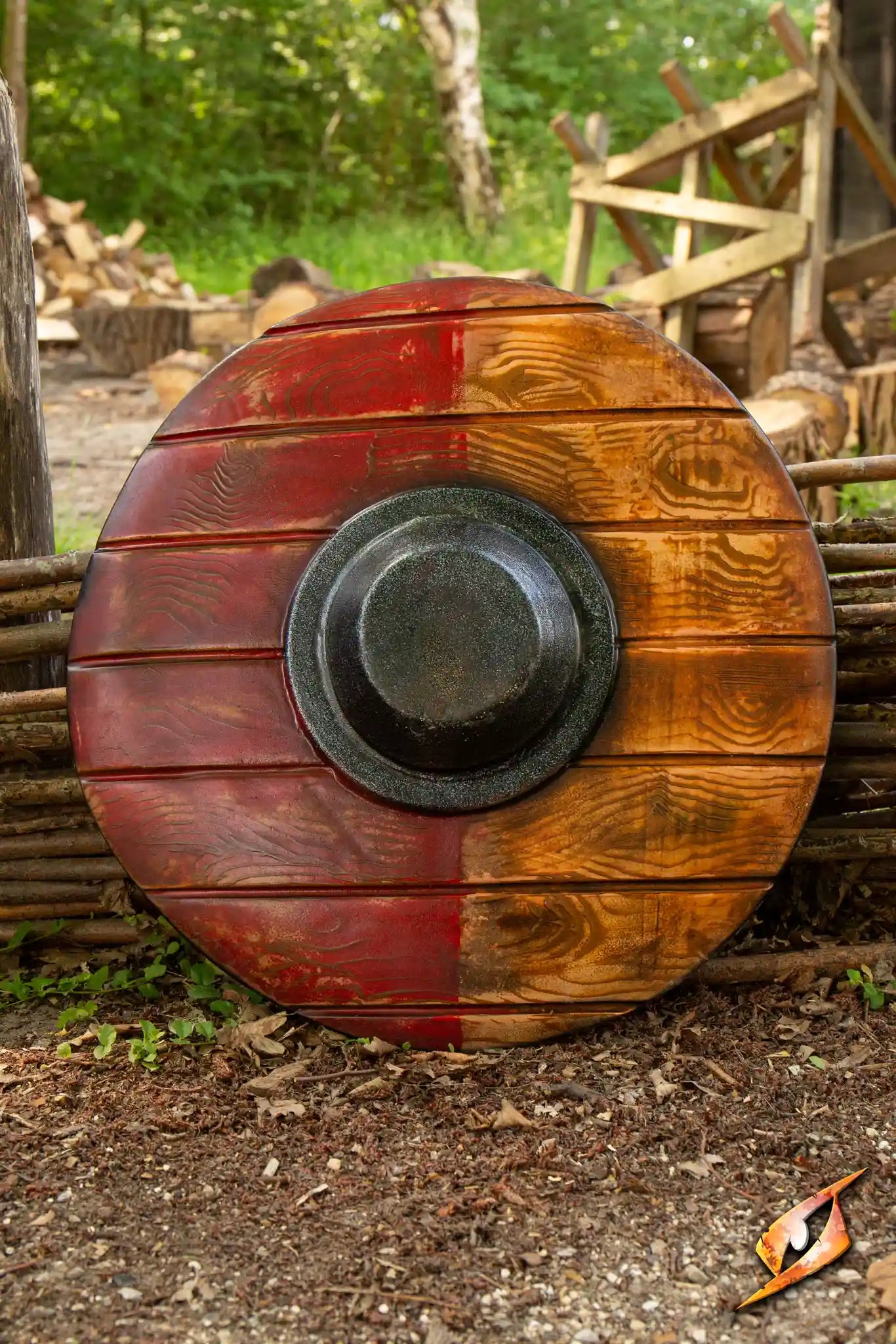
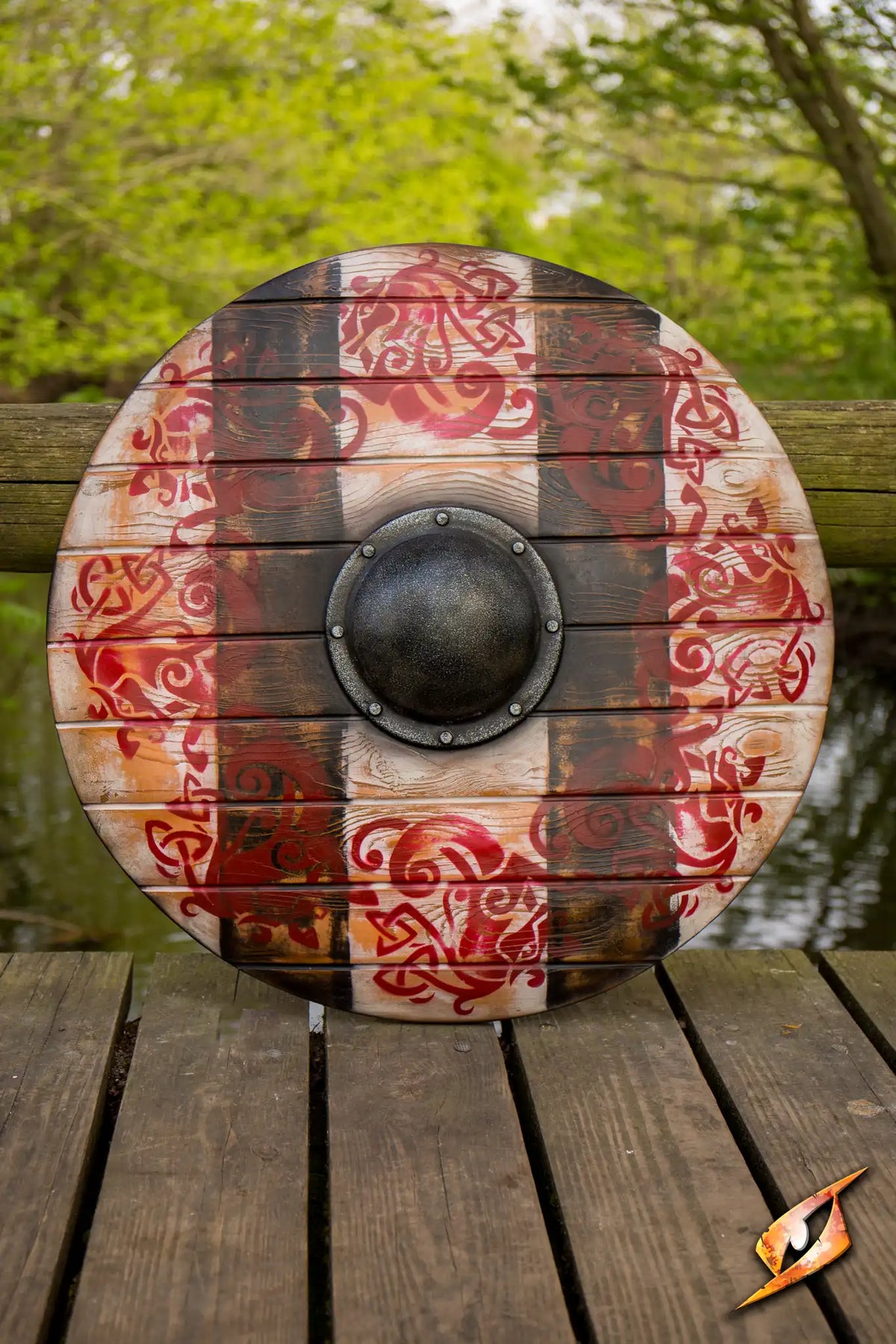
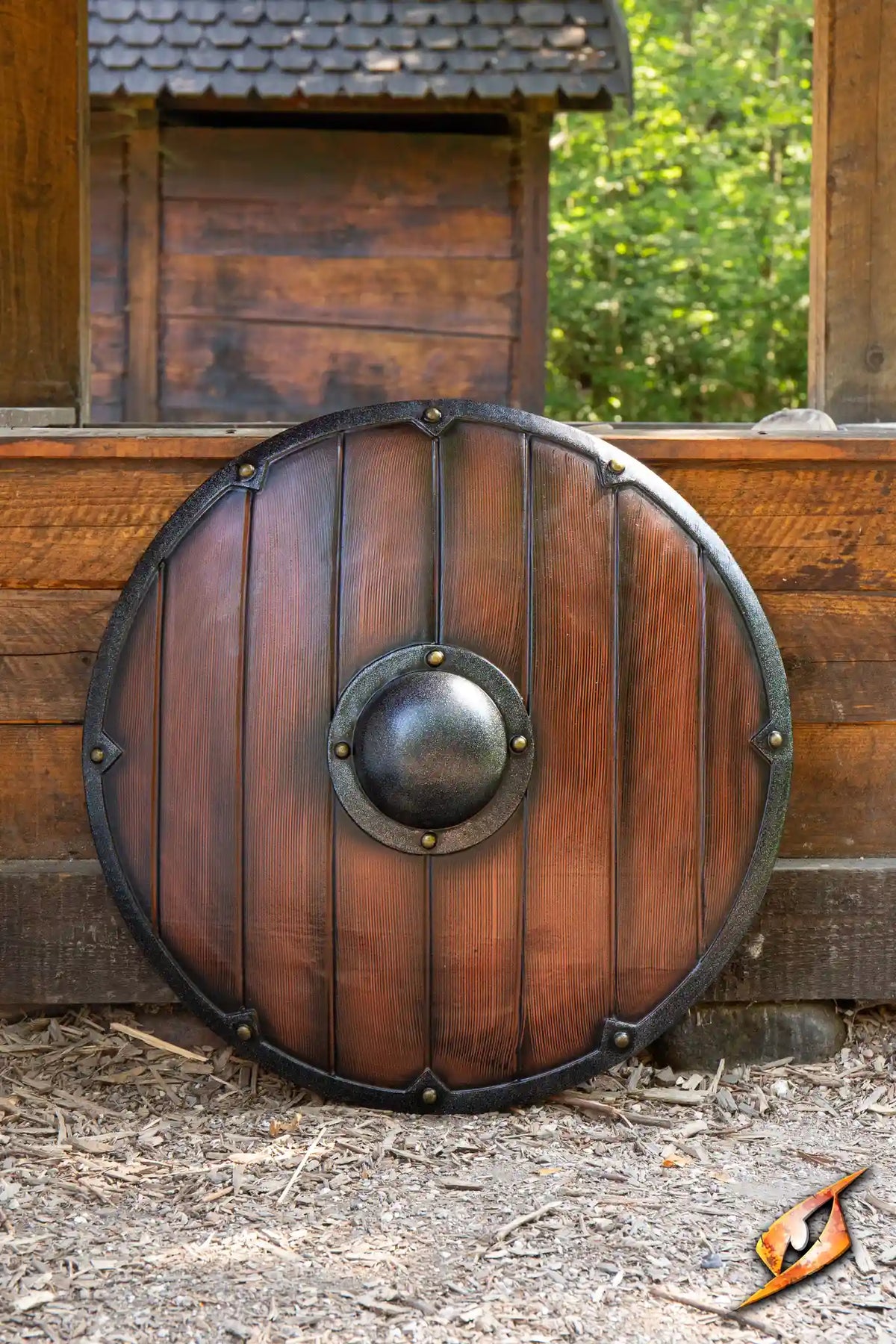
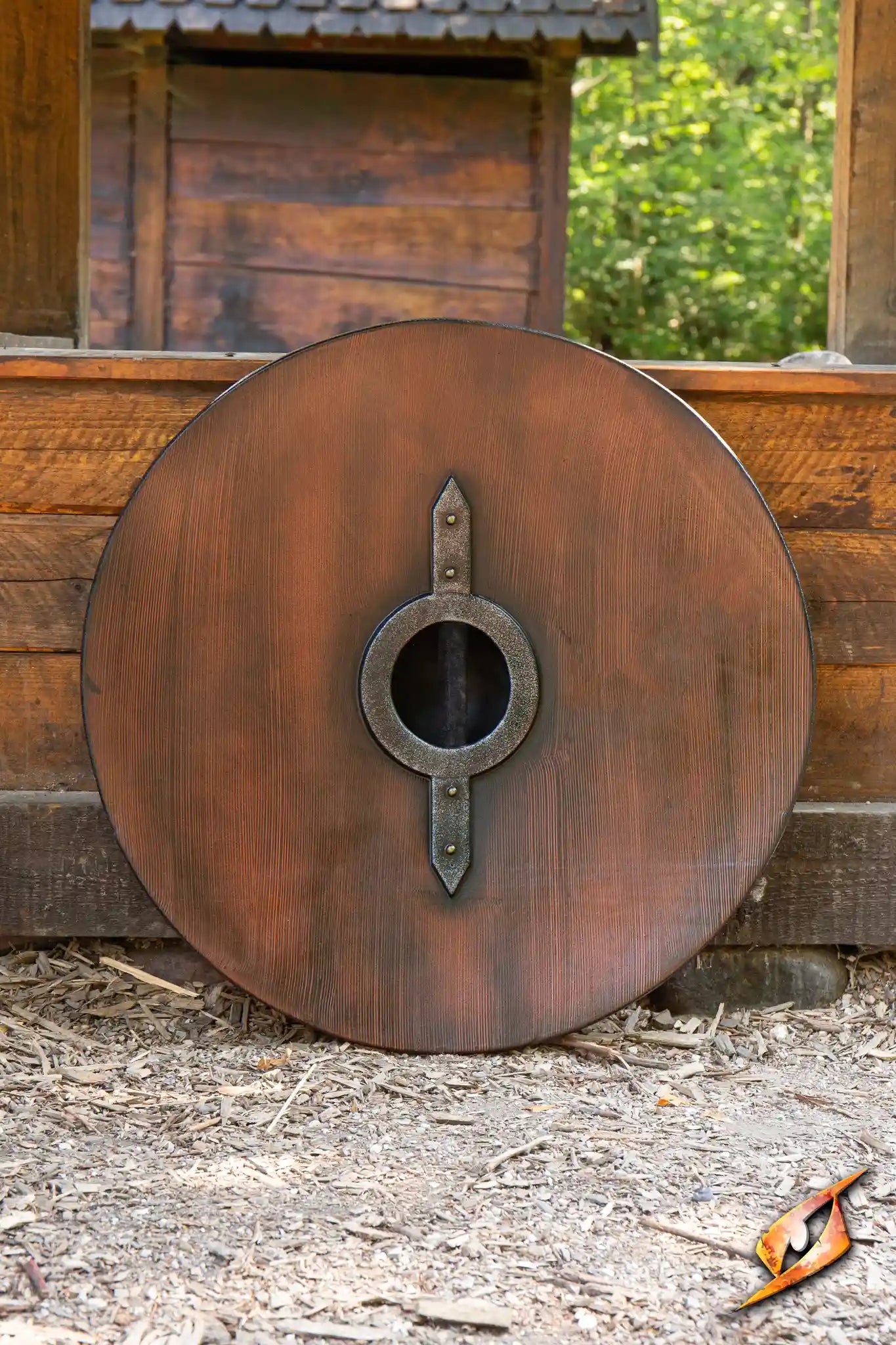
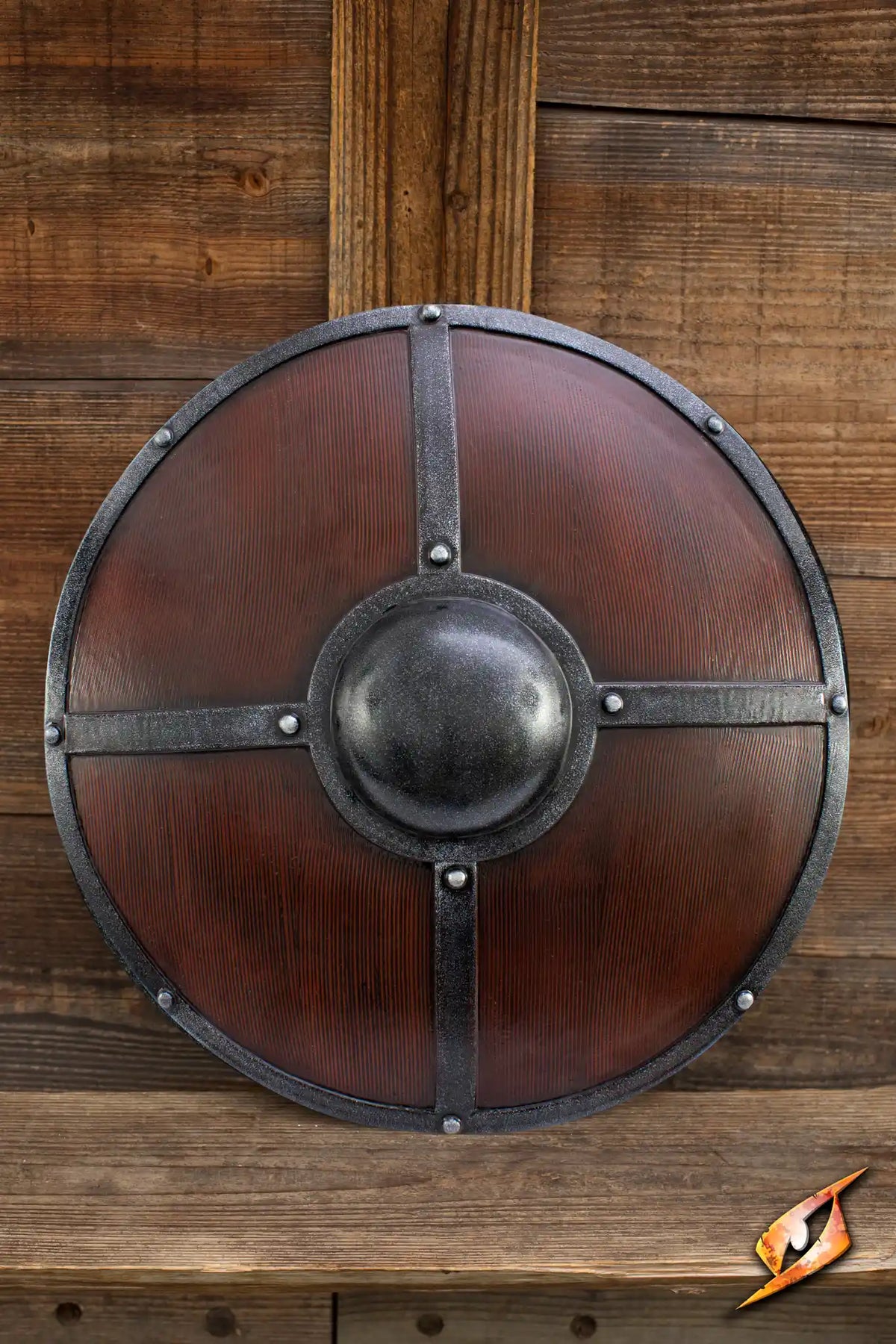
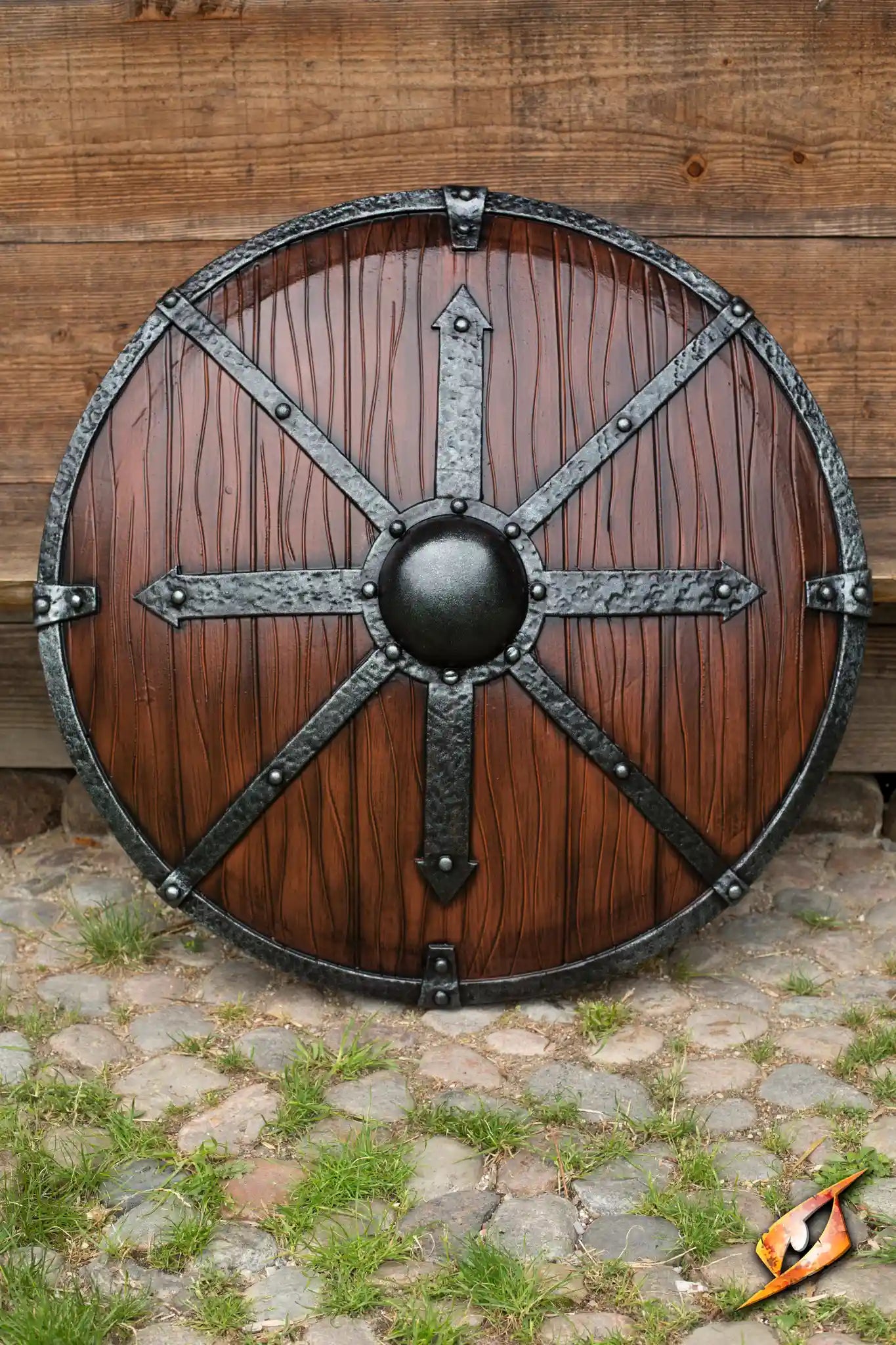
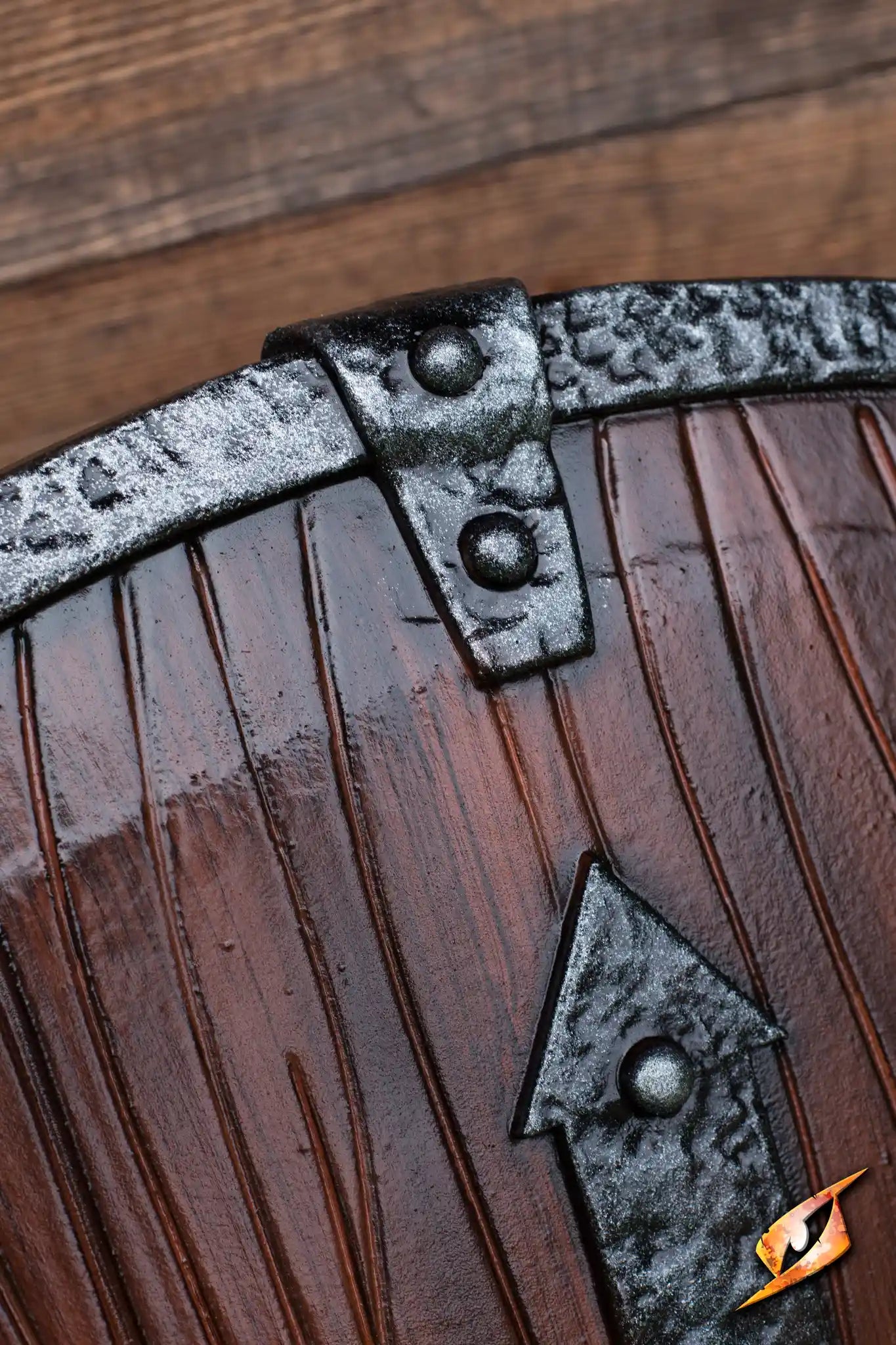
If one shield shape defines the early medieval imagination, it's the Viking round shield. Norse warriors carried broad, flat, planked wooden shields into raids, ship-borne assaults, and the tightly packed skjaldborg (shield wall) that anchored Norse battle tactics. The shield was usually reinforced with a leather or rawhide rim and a metal boss riveted over the hand grip.
What made the Viking round shield special was its balance: light enough to carry all day on a raid, but strong enough to lock into a wall with a dozen other warriors and stop a full cavalry charge or arrow volleys cold.
Viking shields for larp


The Norman Conquest
The Kite Shield
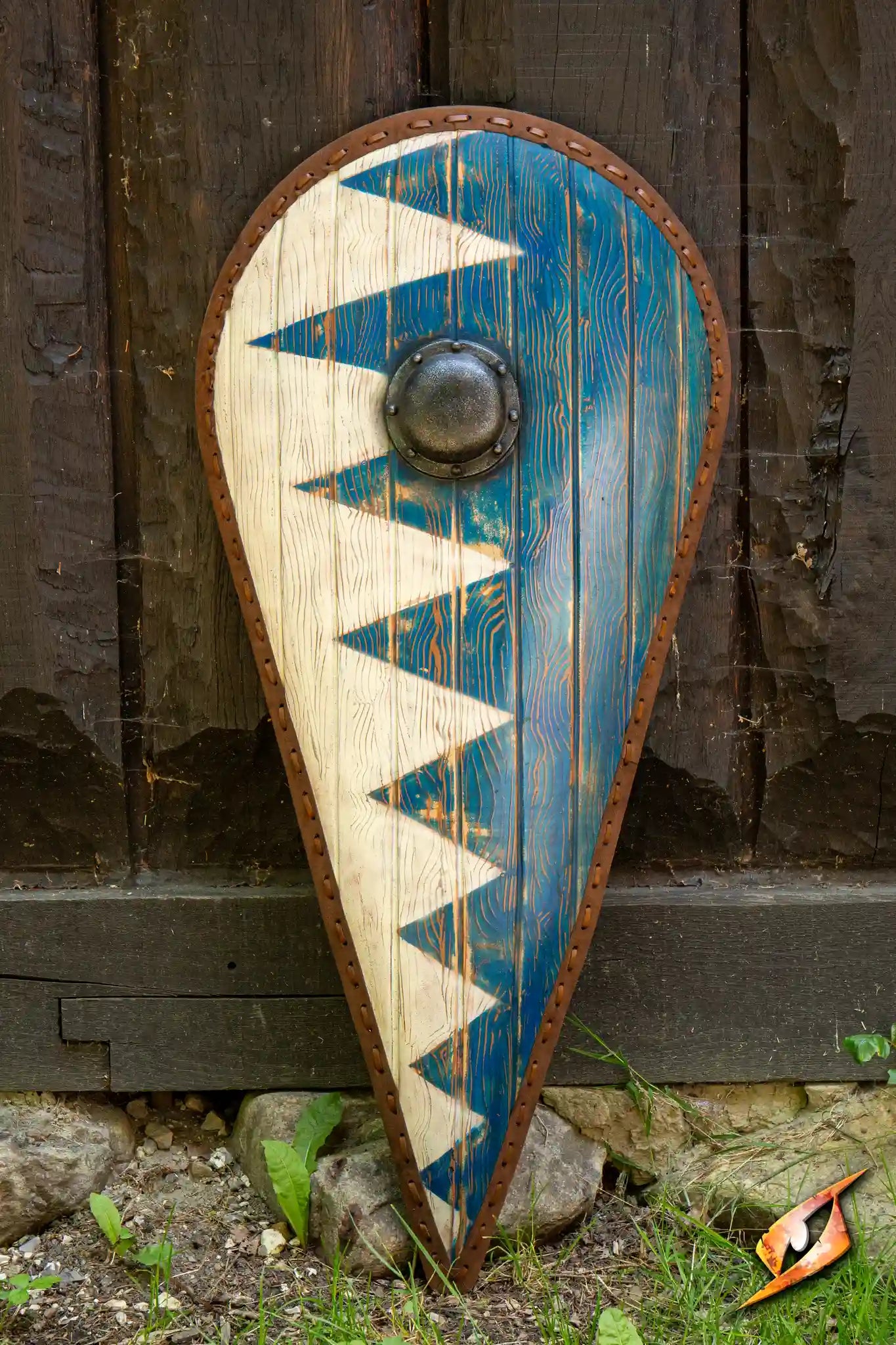
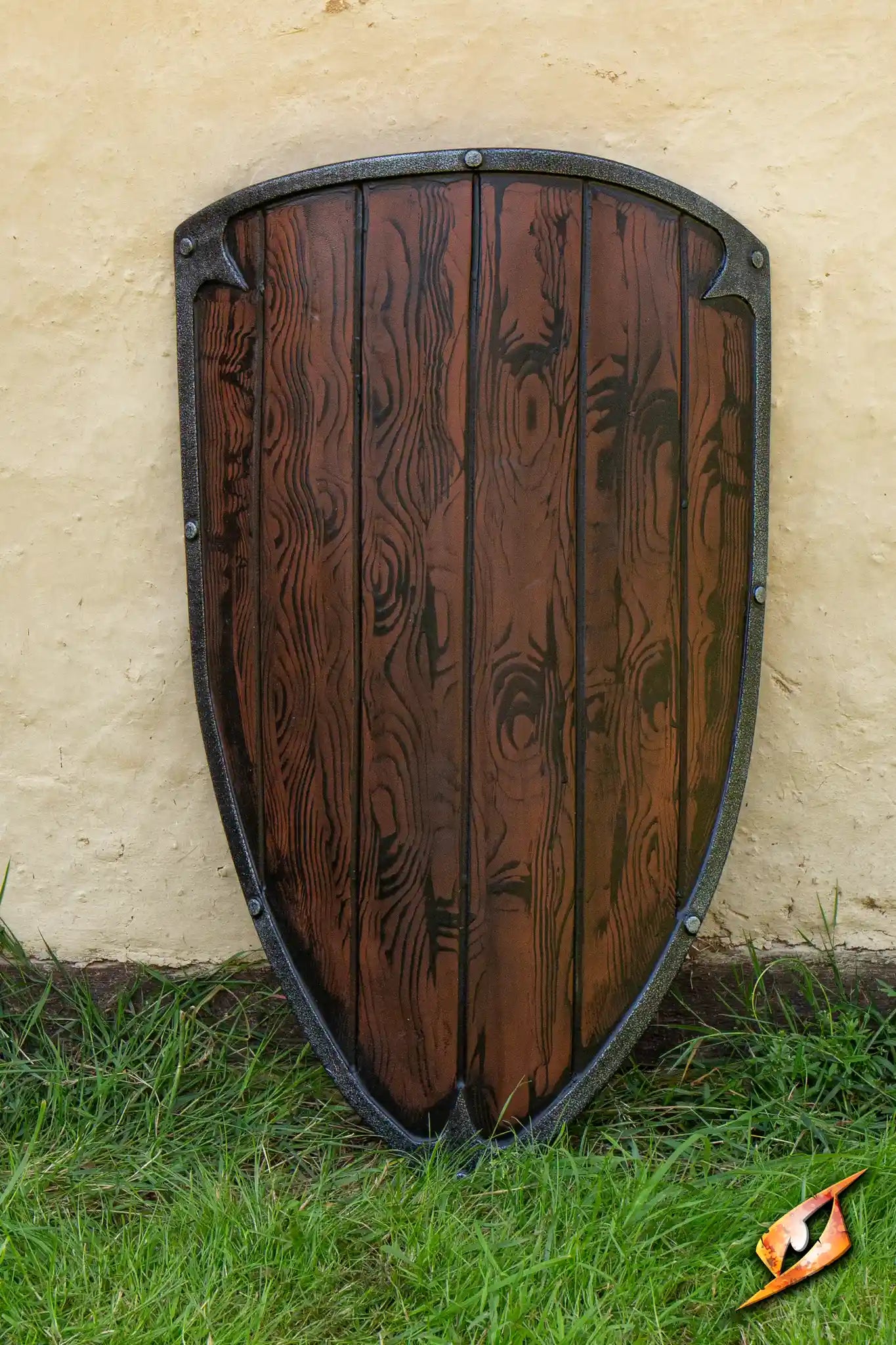
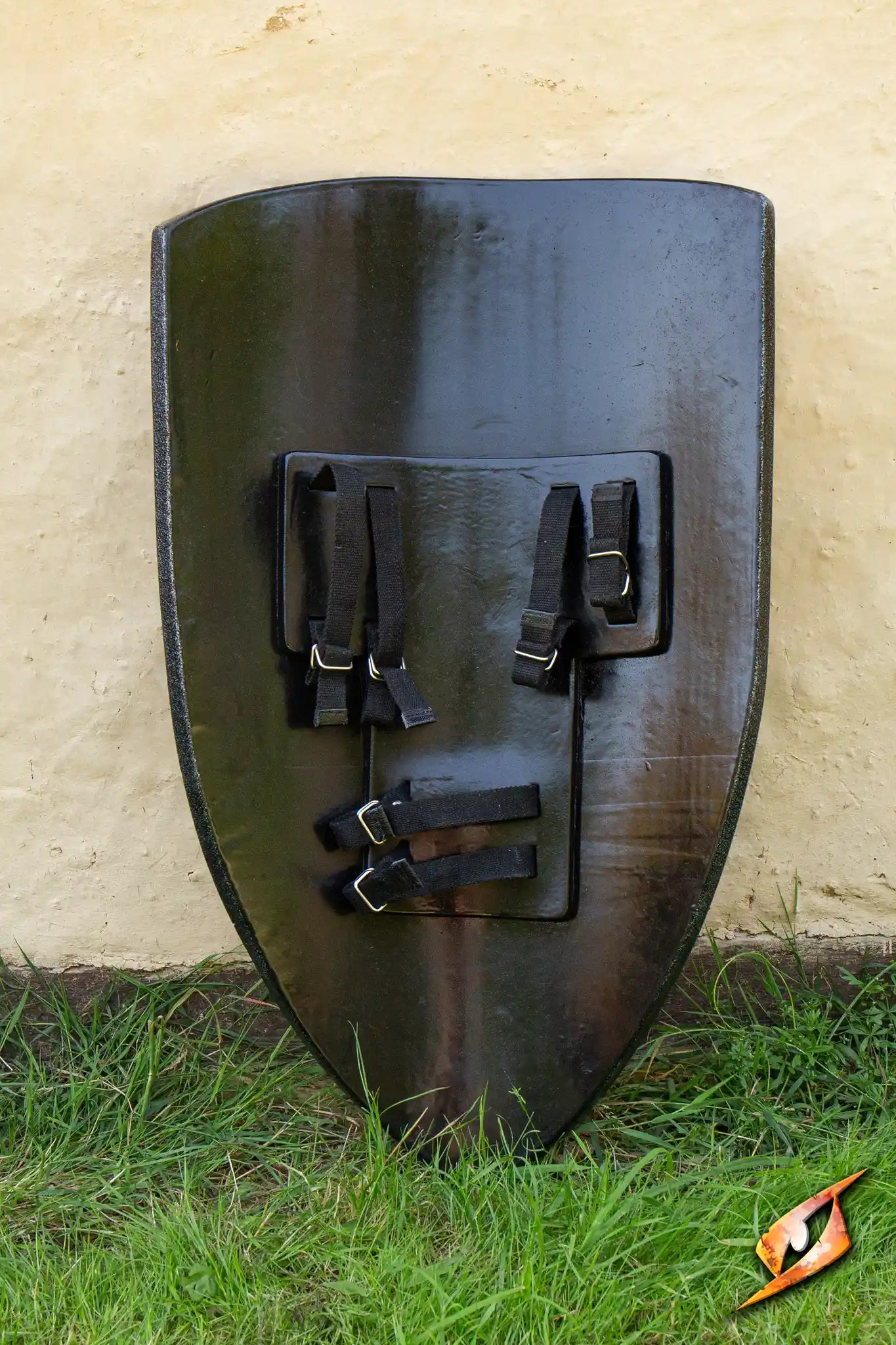
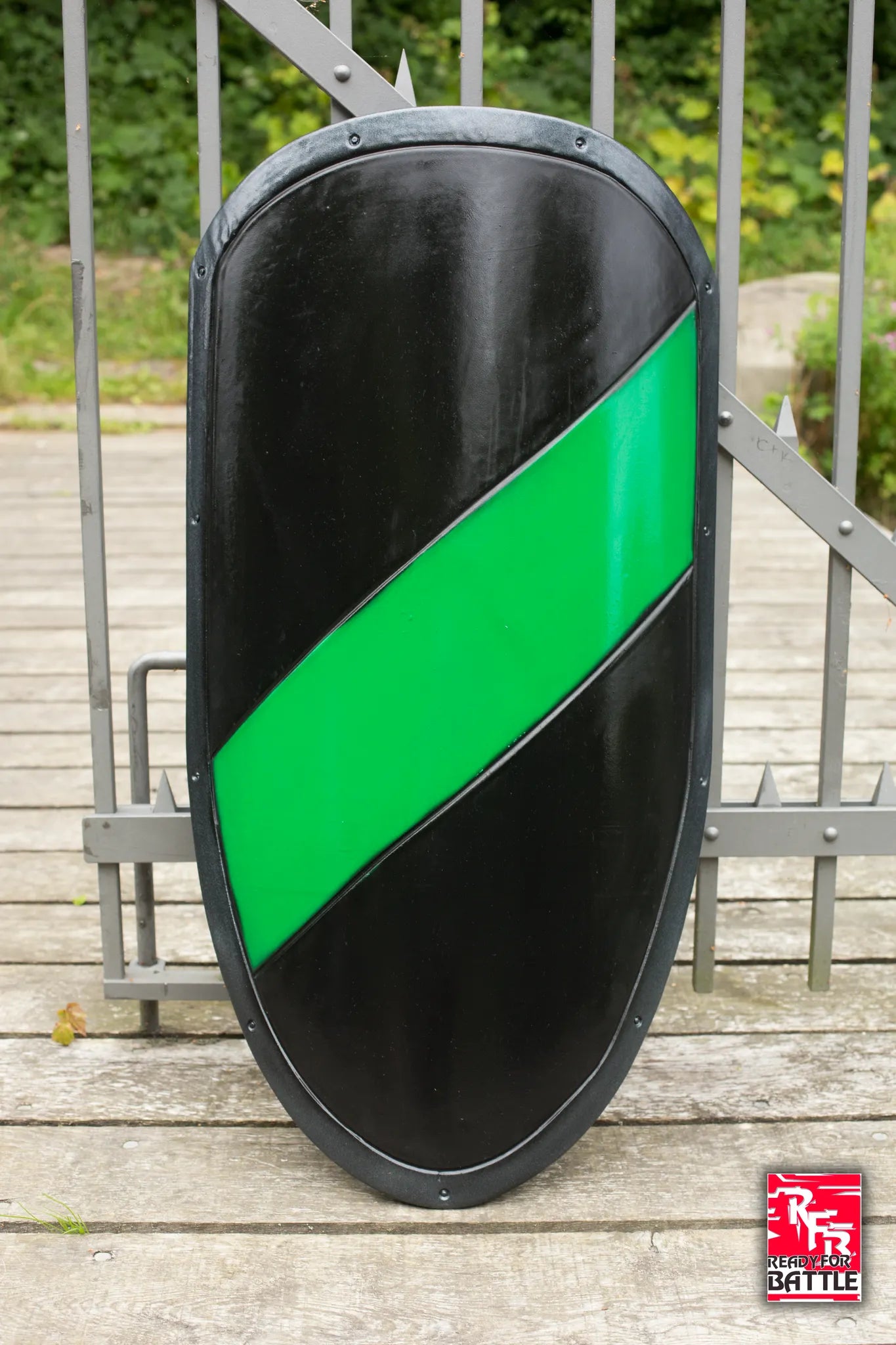
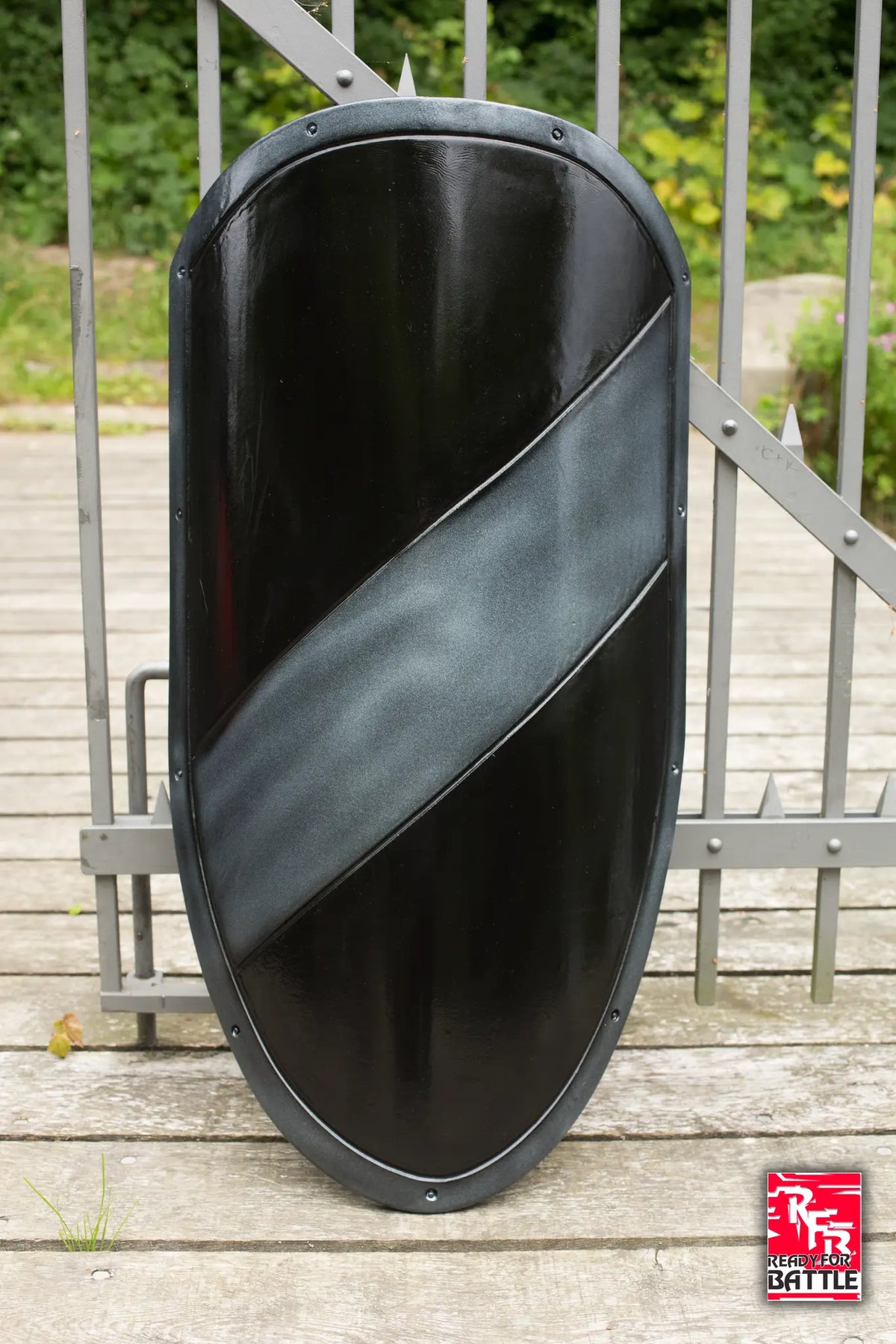
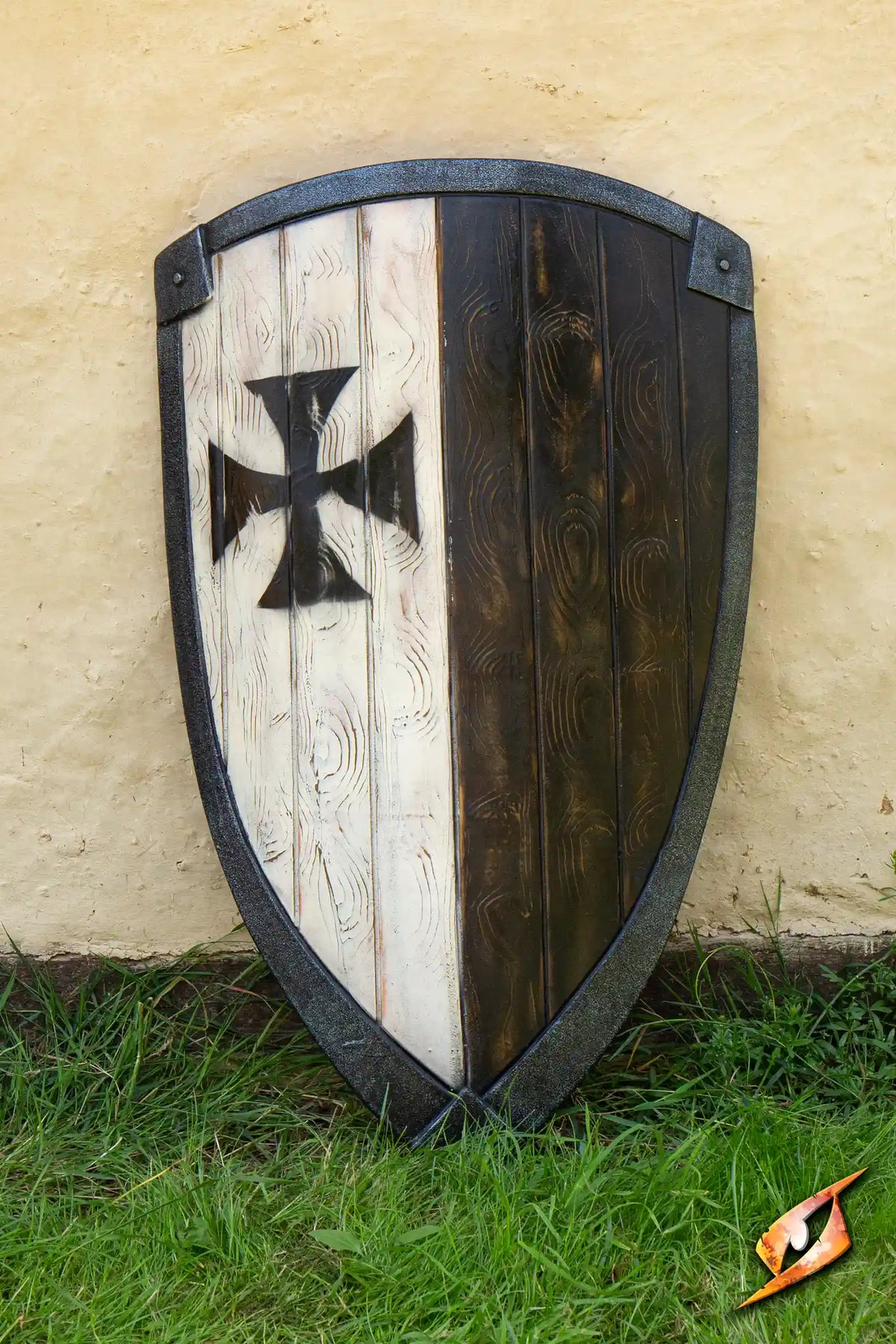
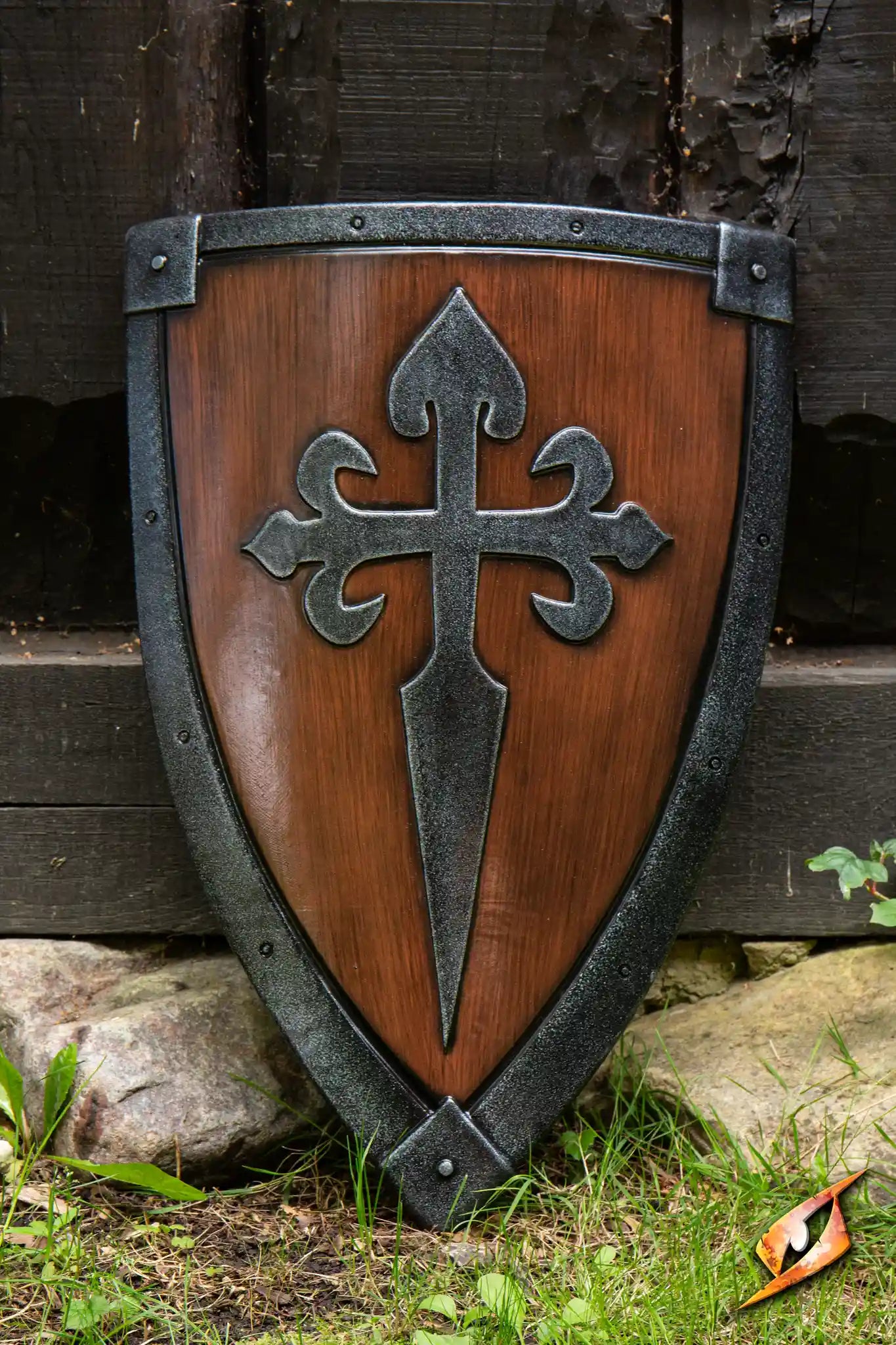
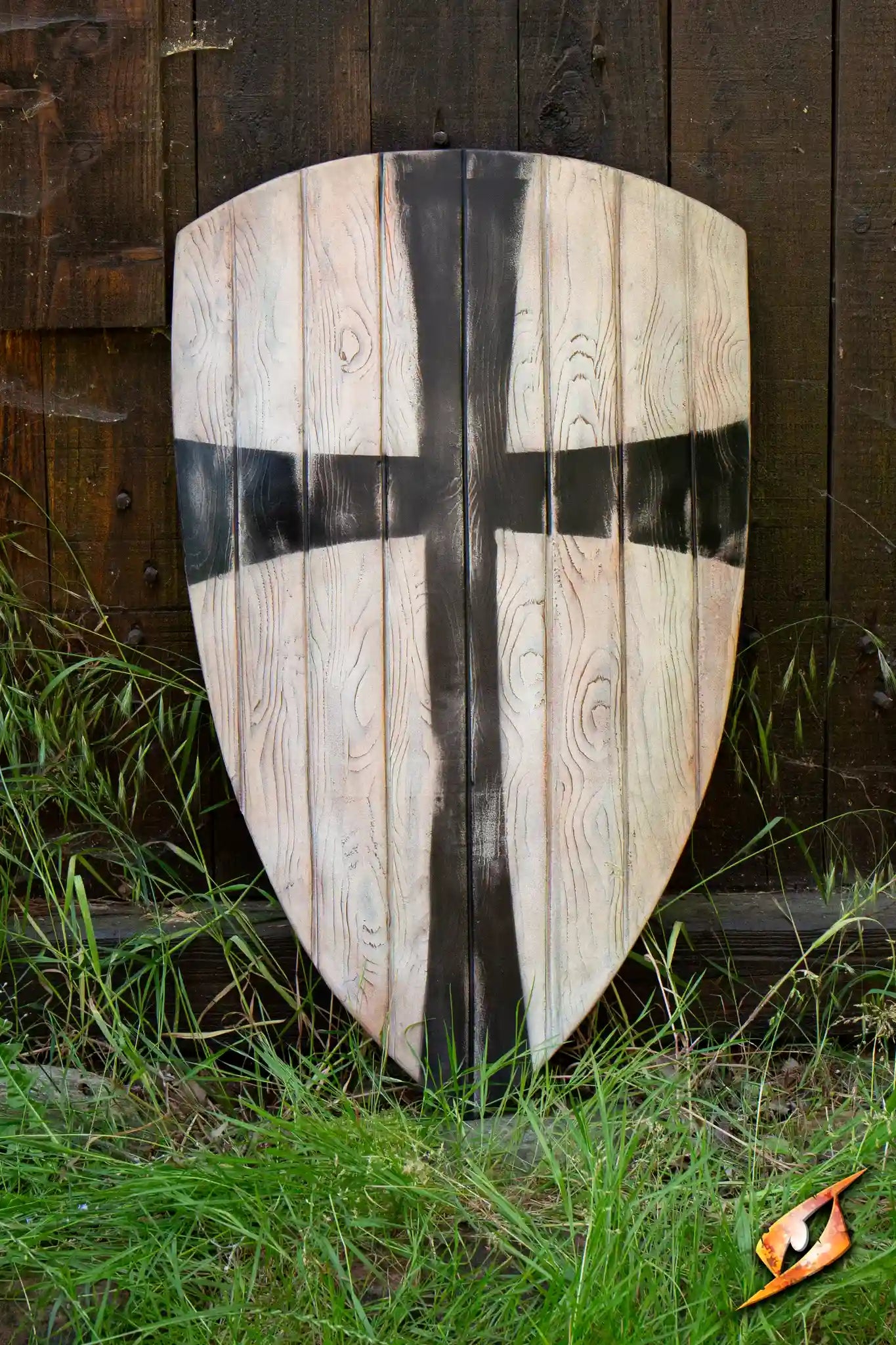
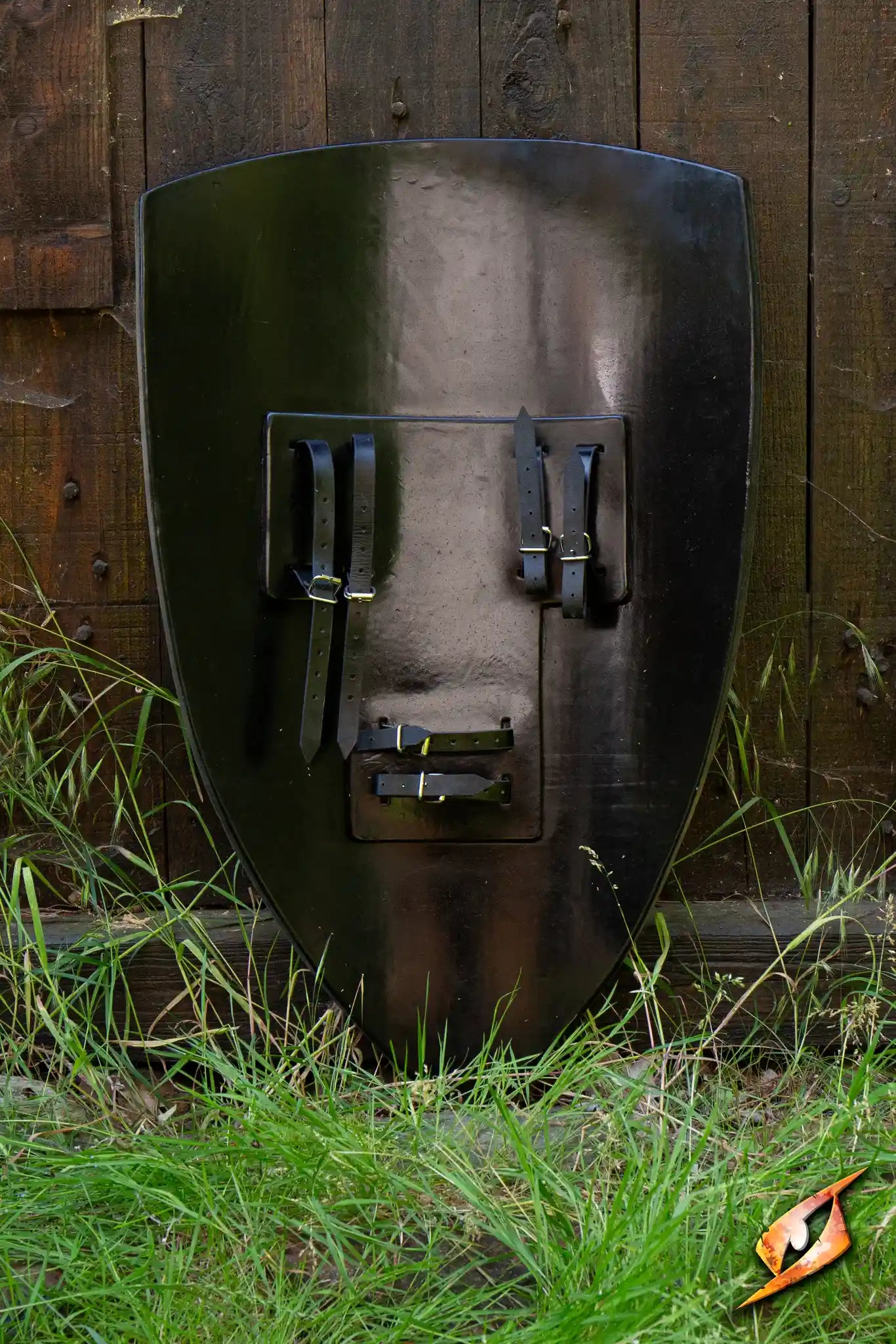
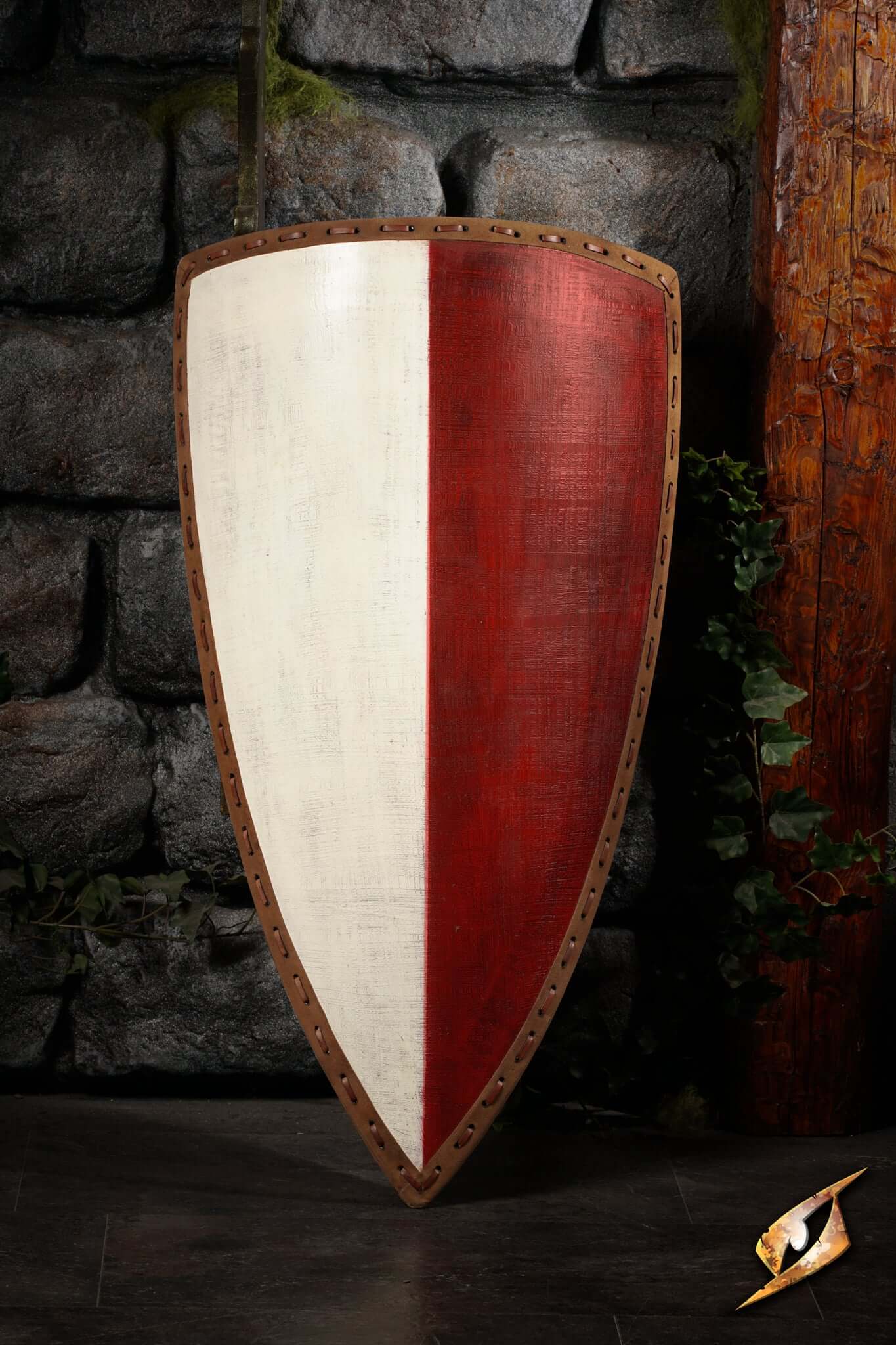
By the 11th century, warfare was changing again, this time because of horses. As cavalry became central to European armies (most famously in the Norman conquest of England in 1066, immortalized in the Bayeux Tapestry), warriors needed a shield that could protect a rider's exposed leg without becoming too heavy to manage on horseback. The answer was the kite shield: round at the top, tapering to a point at the bottom.
The kite shield's genius was its shape: narrow enough at the bottom not to snag while riding, but wide enough at the top to block a lance or sword strike aimed at the rider's chest and shoulder.
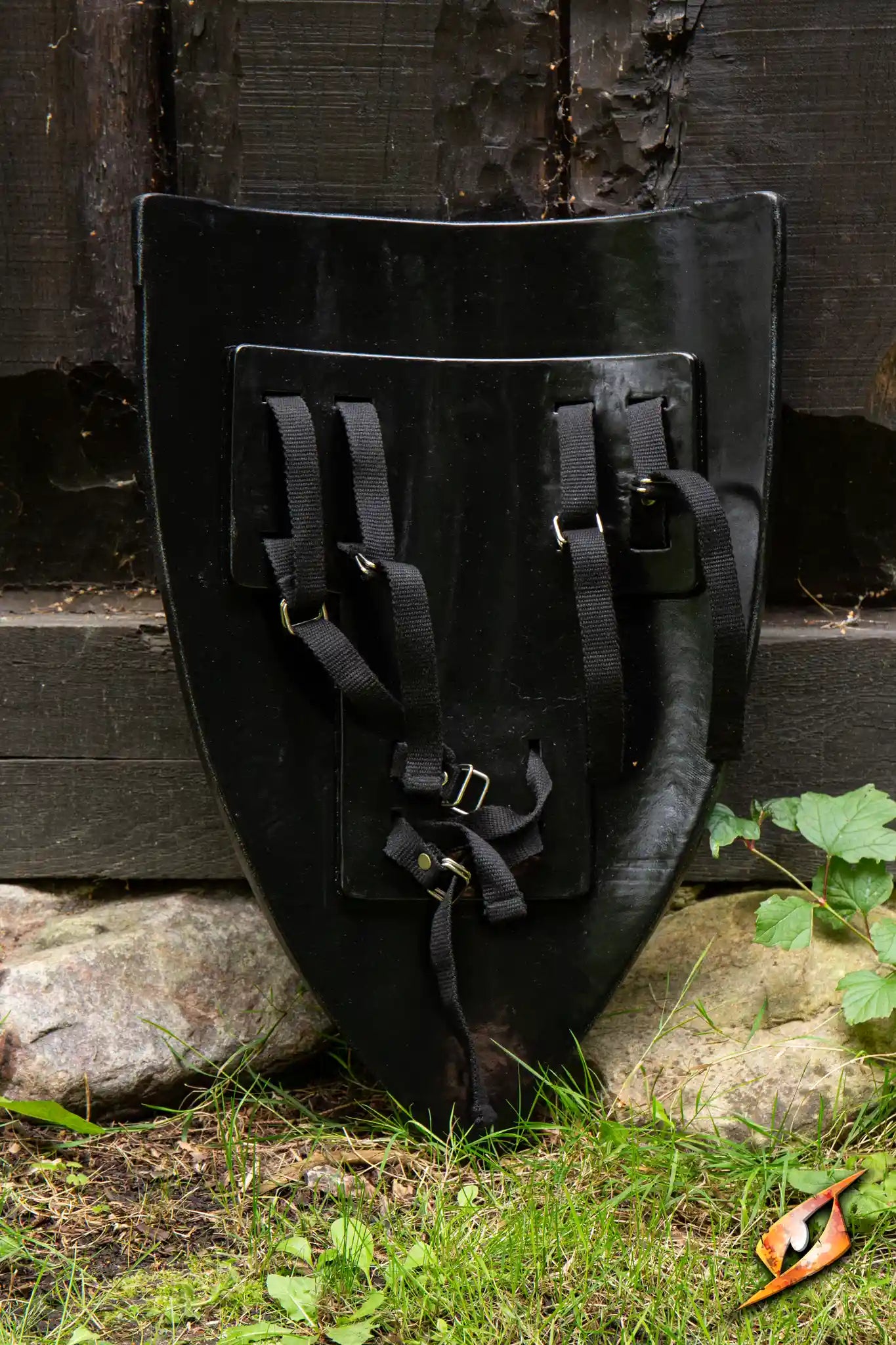
Kite Shields for larp


High Middle Ages
The Heater Shield
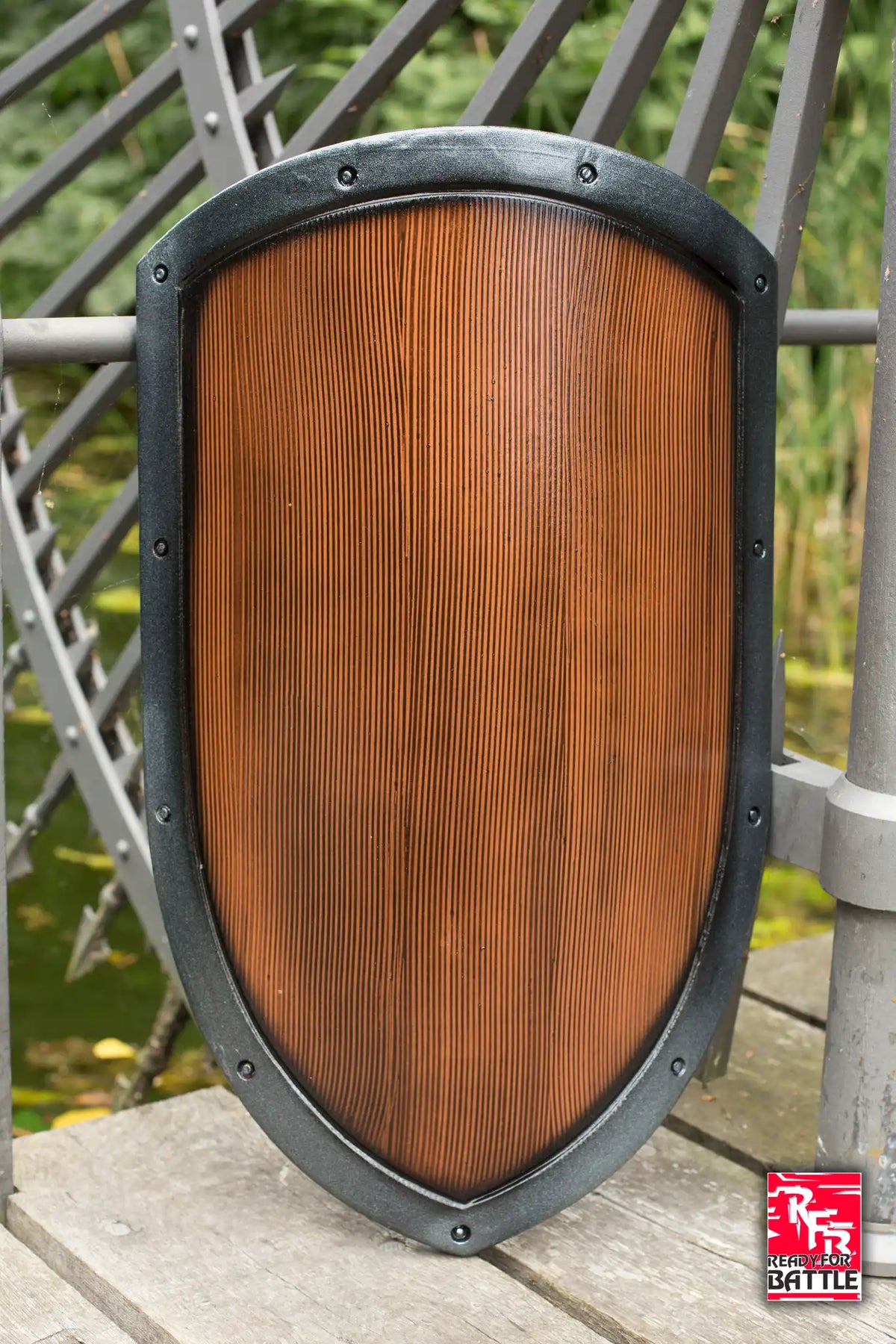
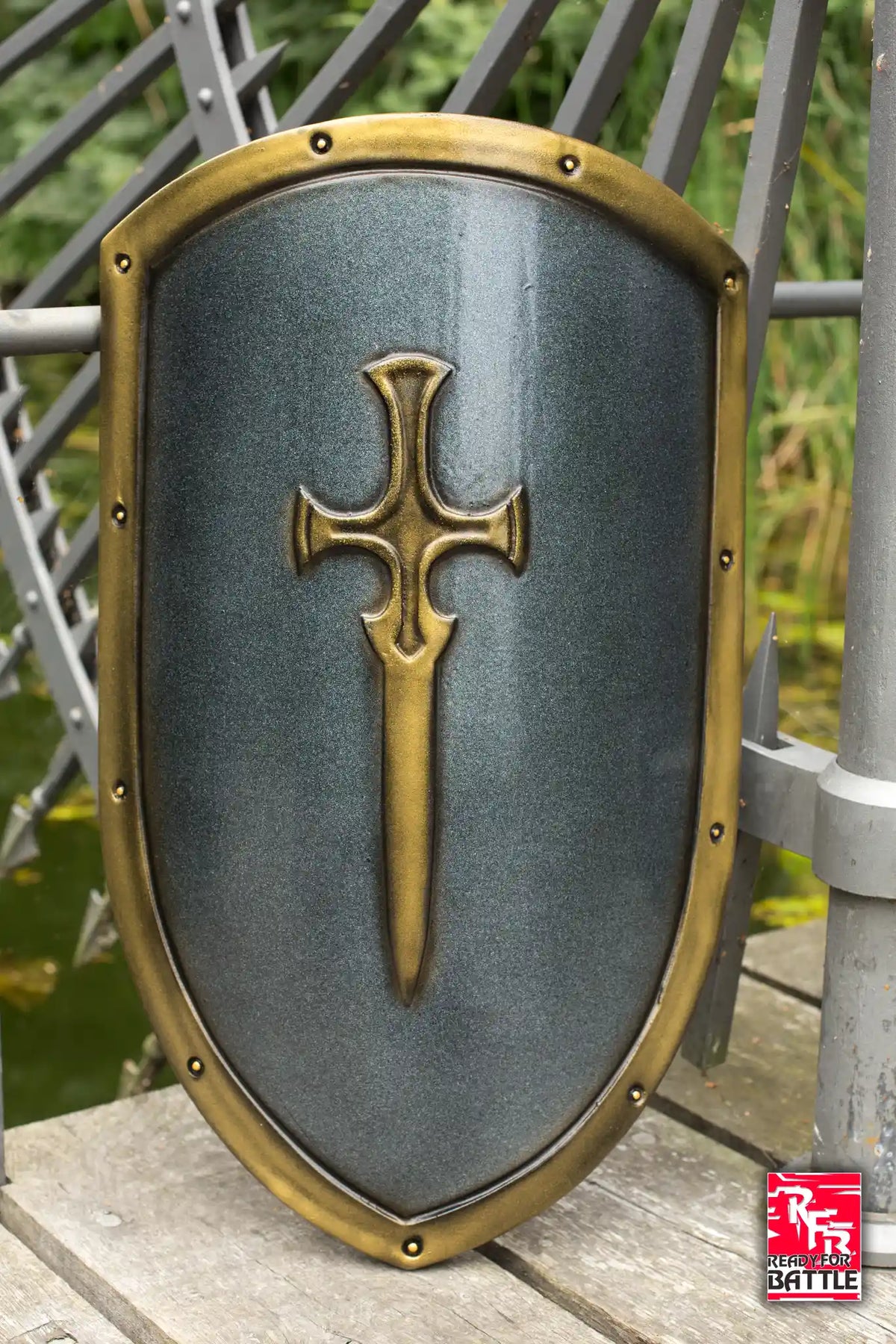
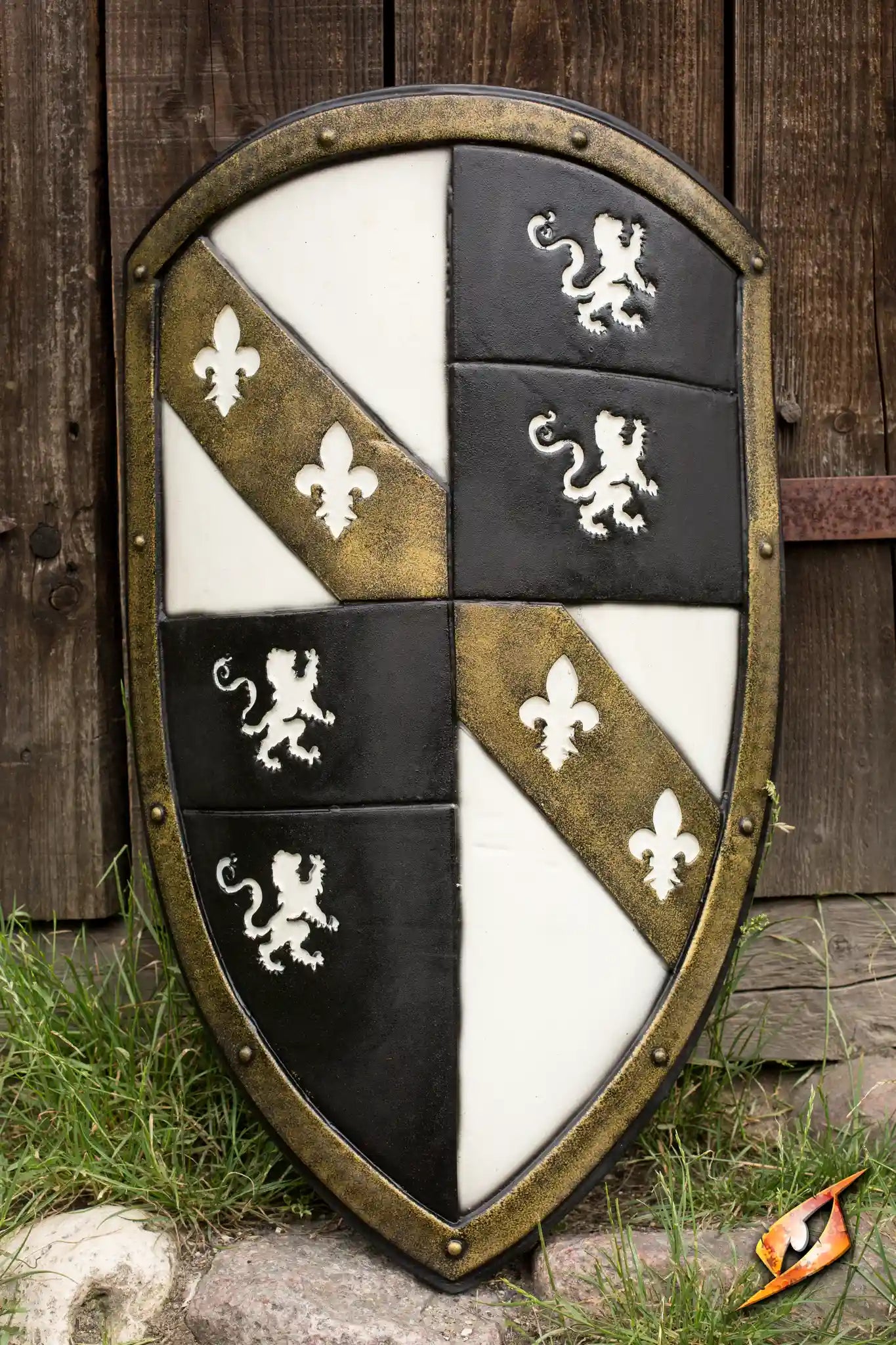
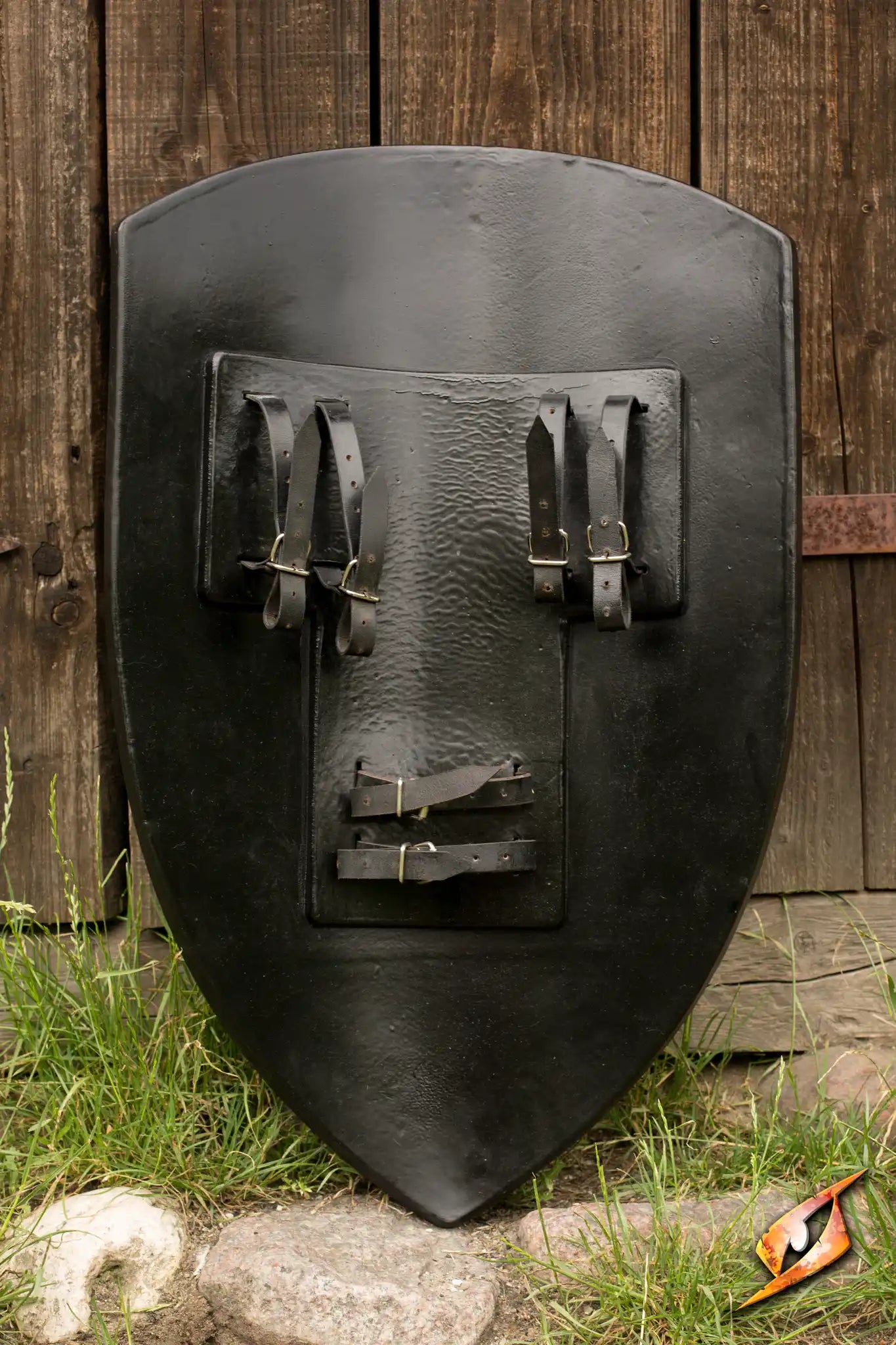
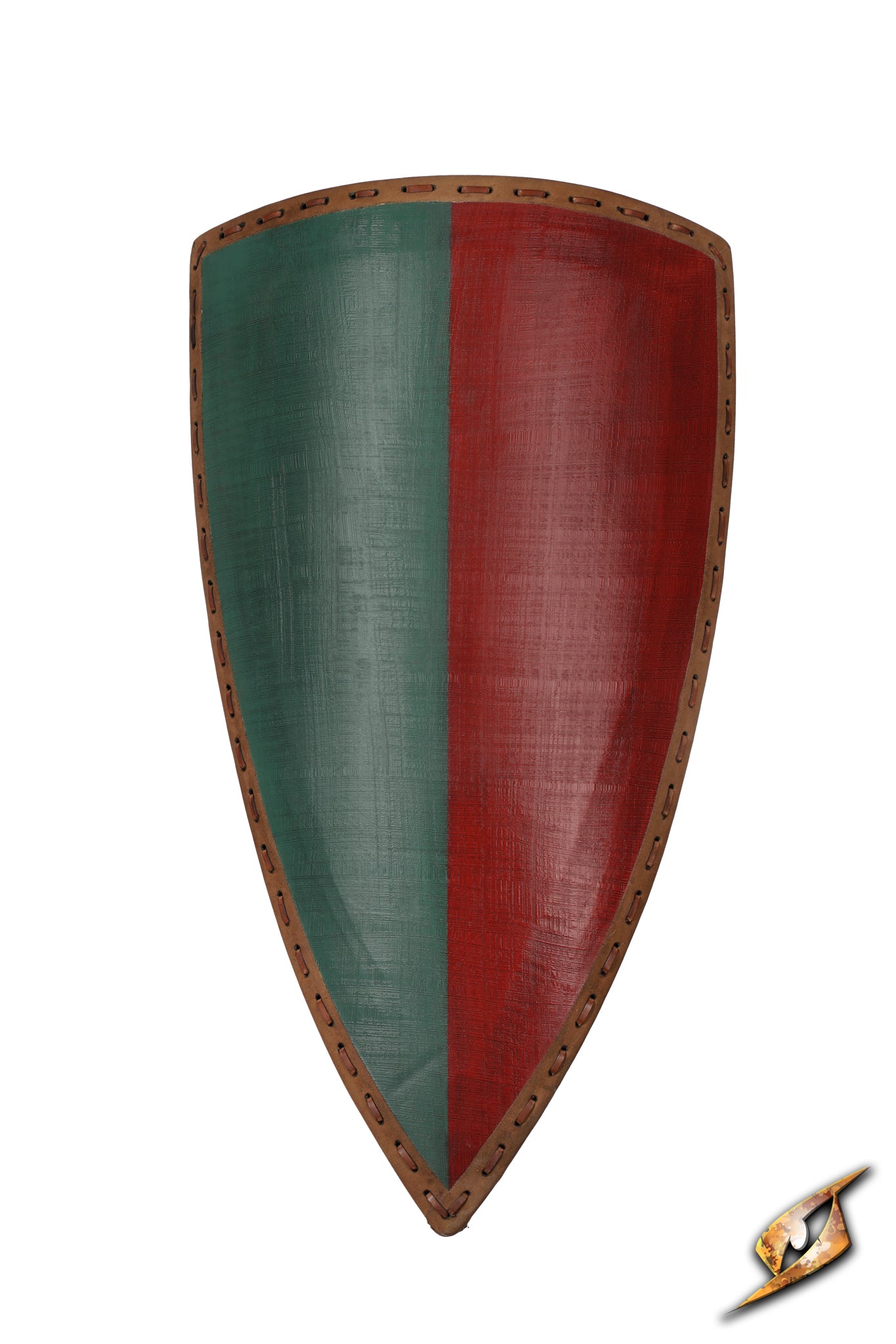
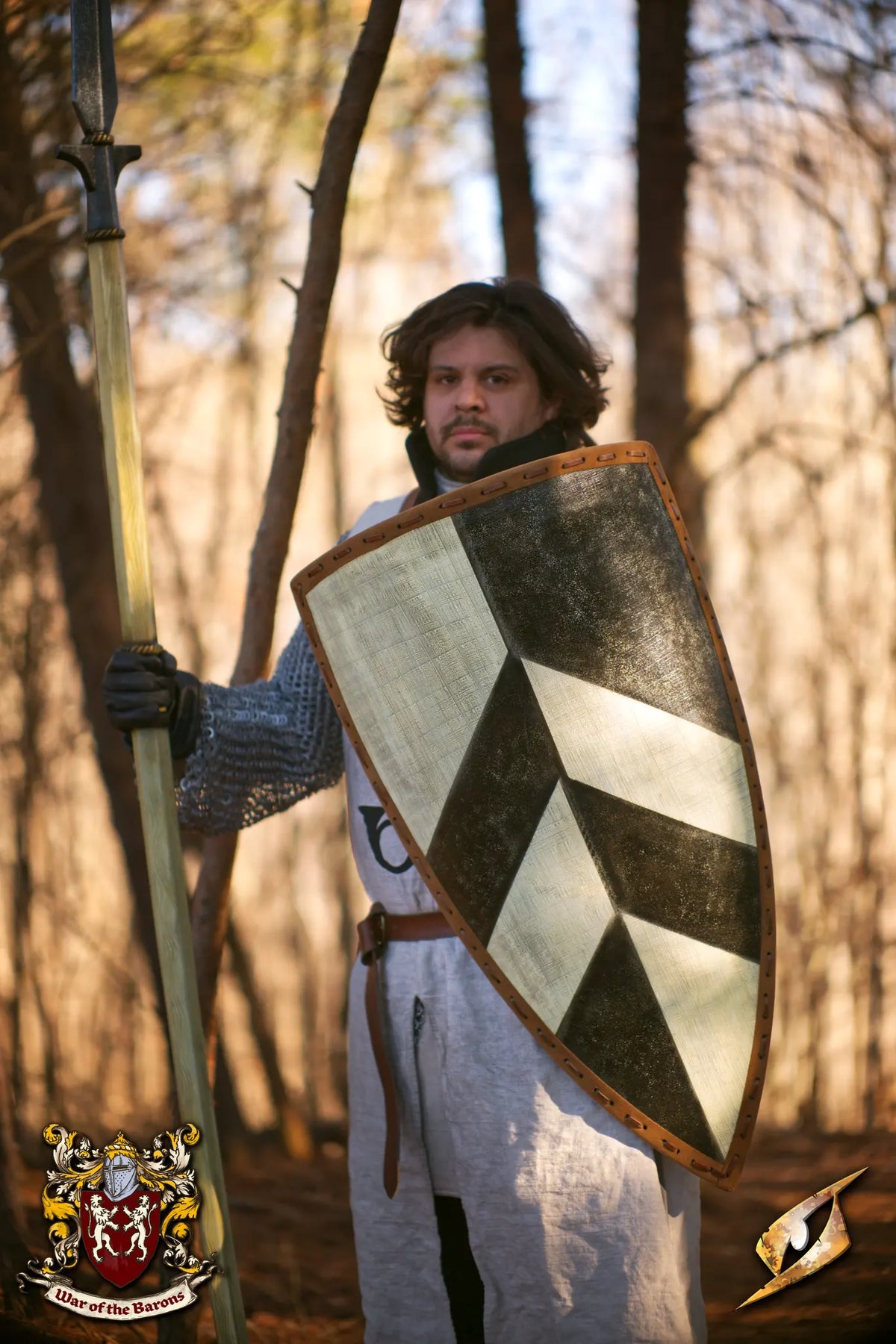
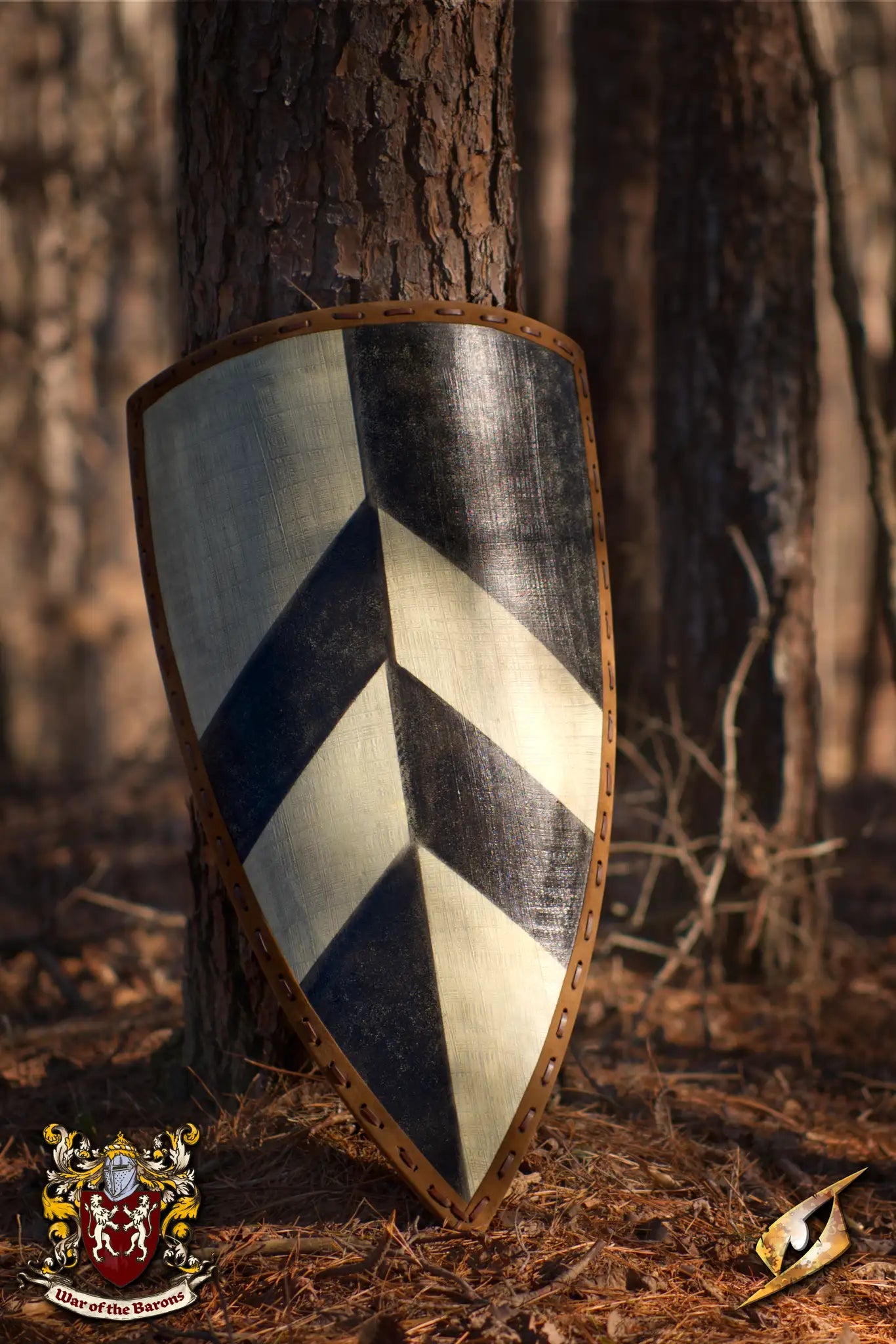
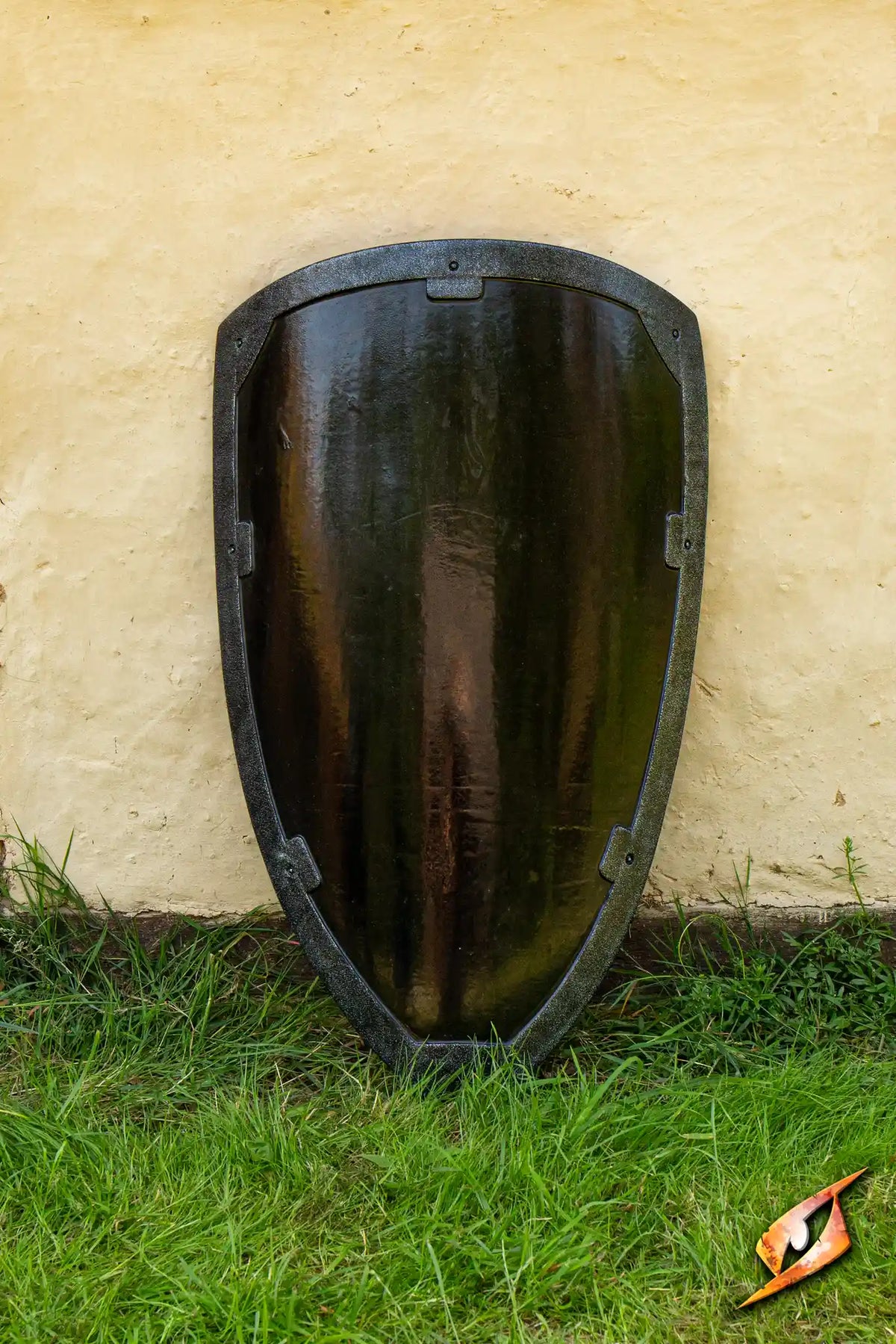
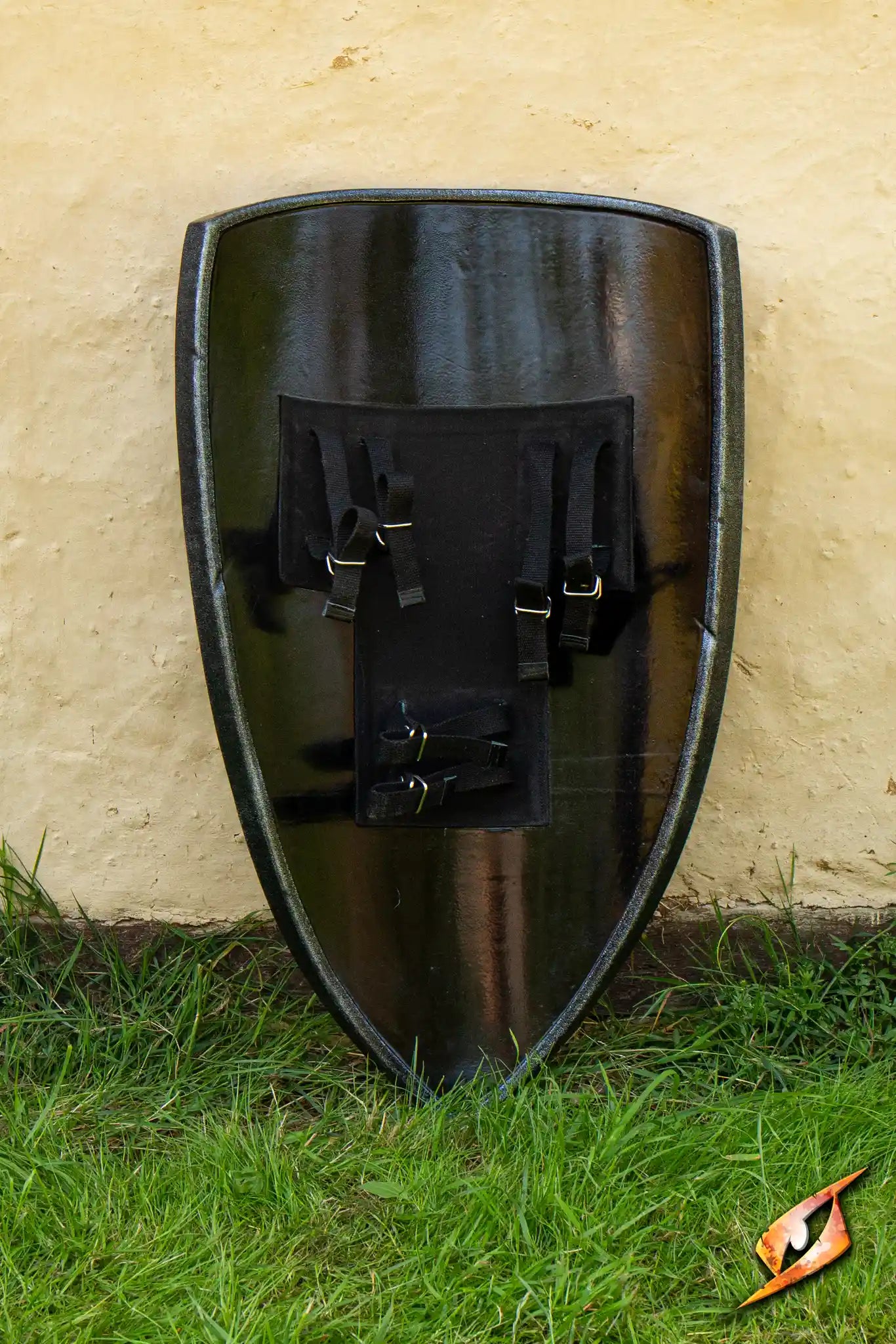
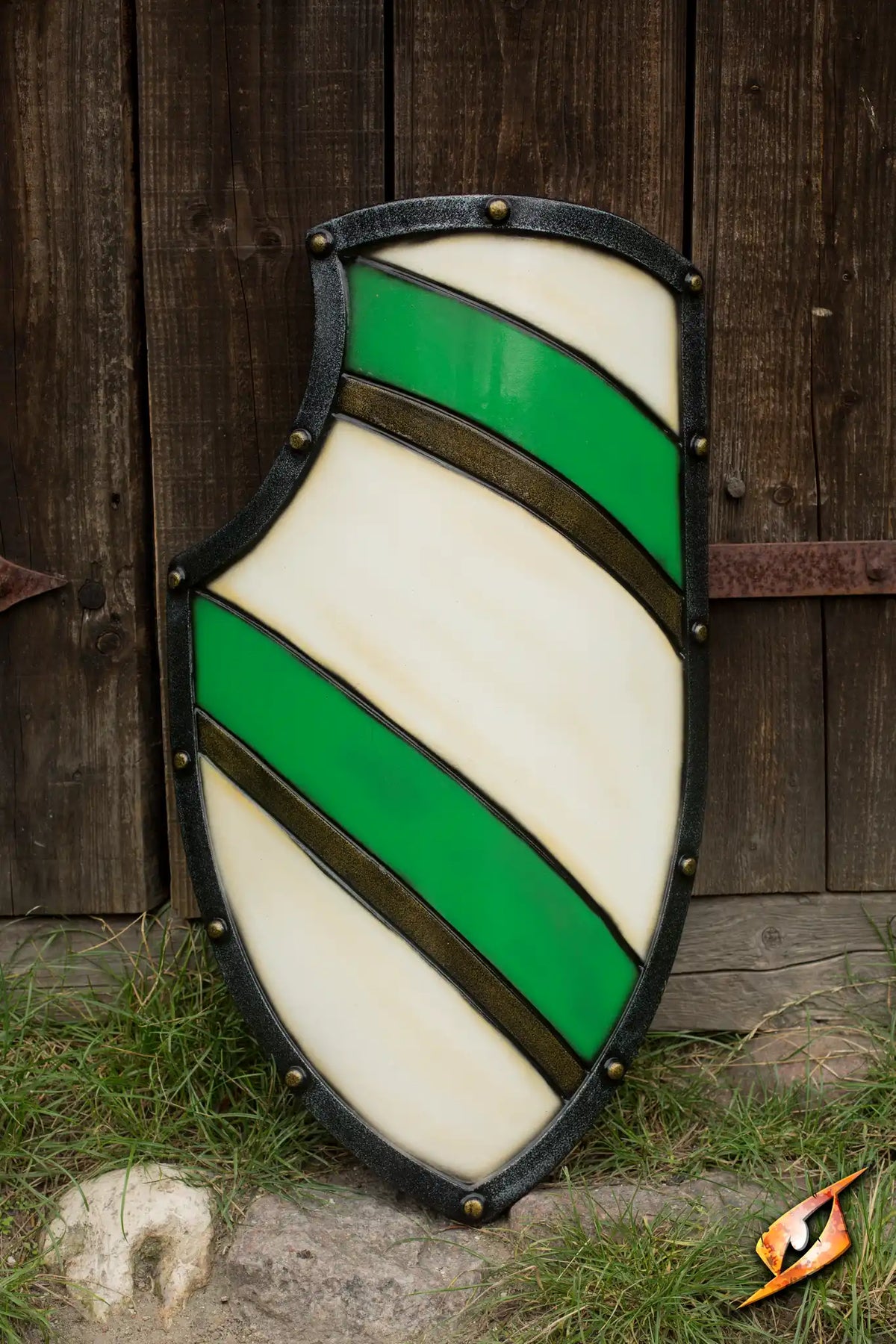
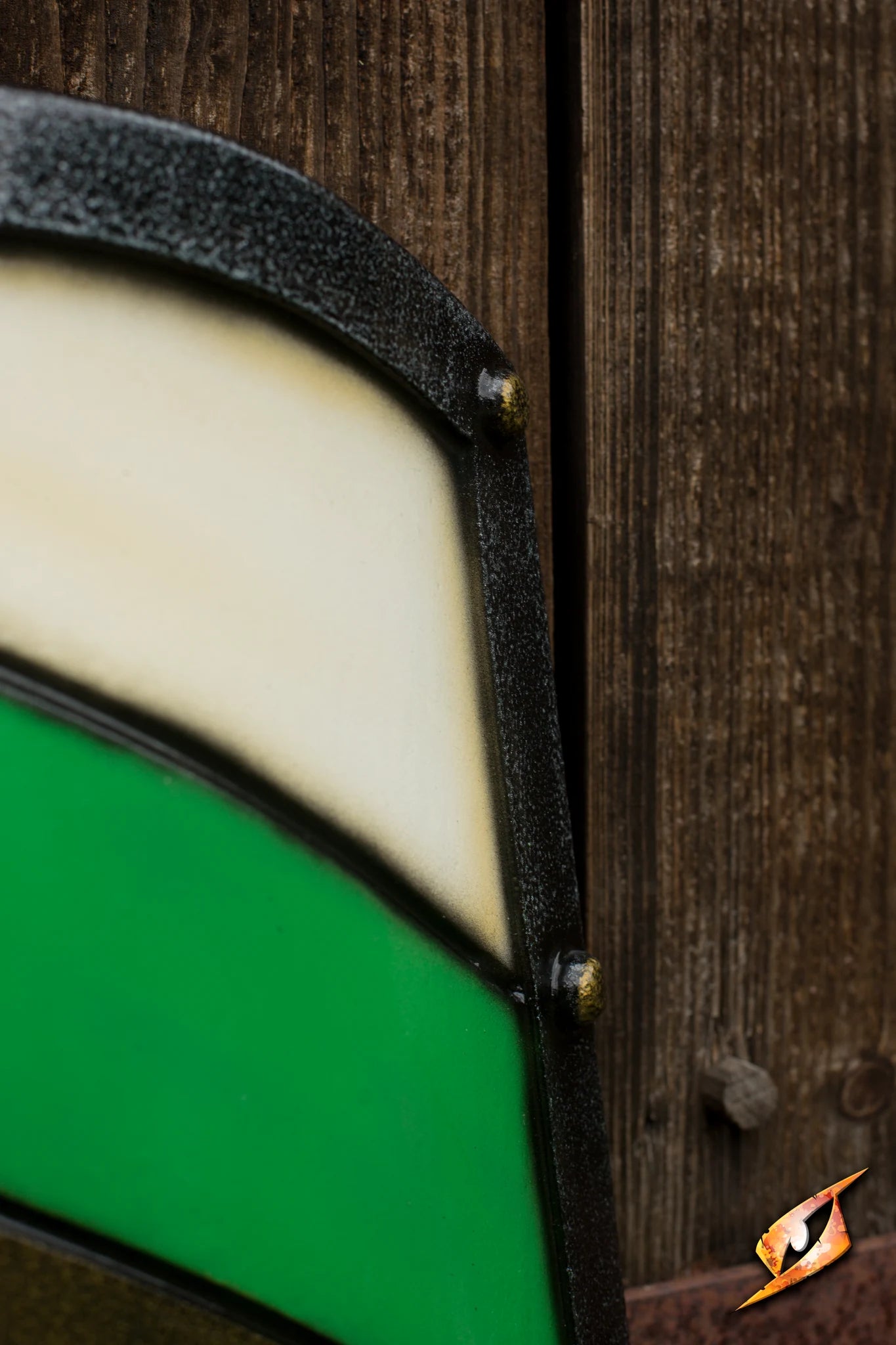
As plate and mail armor improved through the 13th and 14th centuries, knights needed less overall shield coverage, because armor was doing more of the defensive work. The kite shield shrank into the compact, flat-topped heater shield (named for its resemblance to a household clothes iron), which became the definitive canvas for a knight's coat of arms.
This is arguably the era when the shield became as much about identity as it was about defense. A knight's heater shield told everyone on the battlefield exactly who they were facing.
Heater Shields for larp
Late Middle Ages
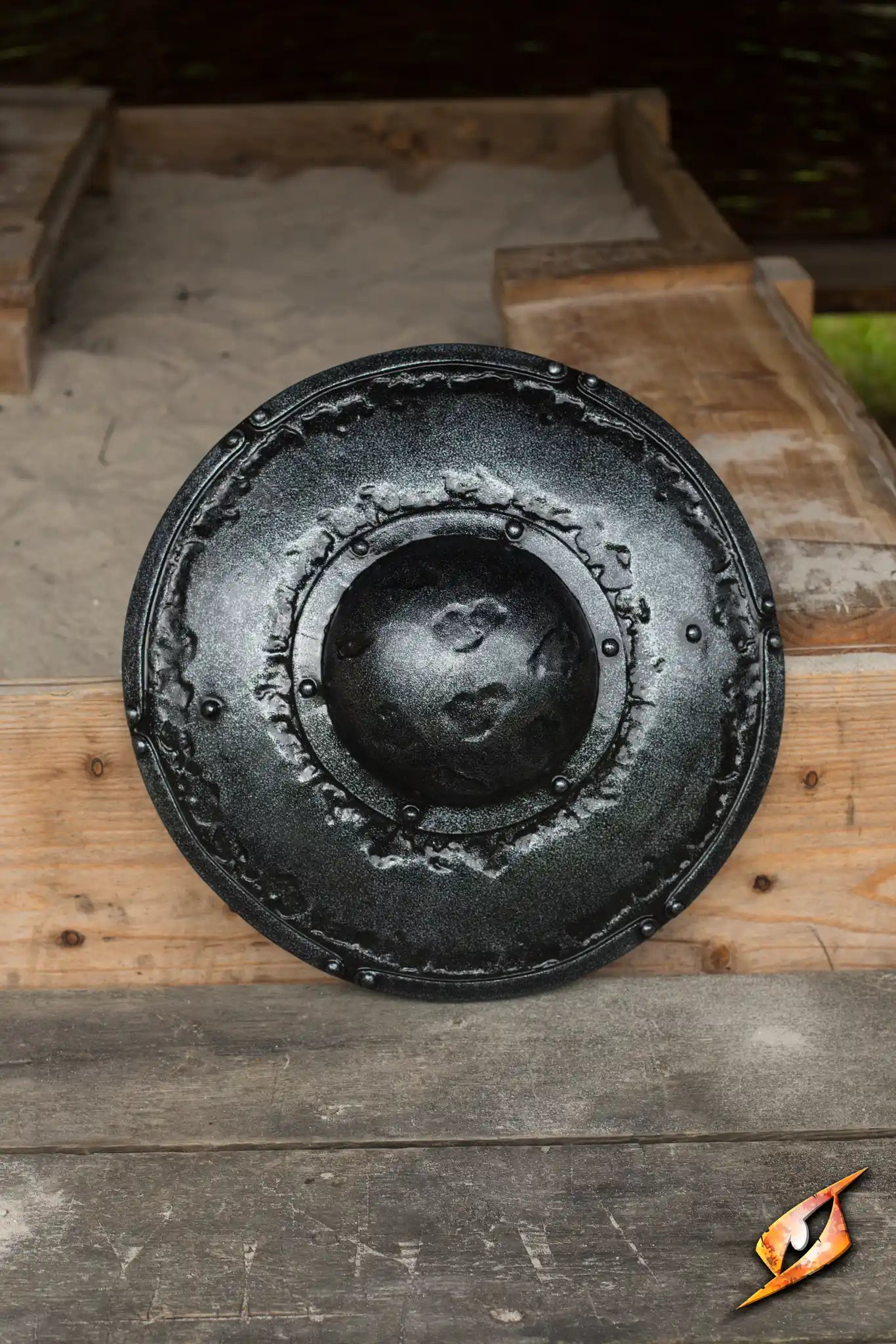
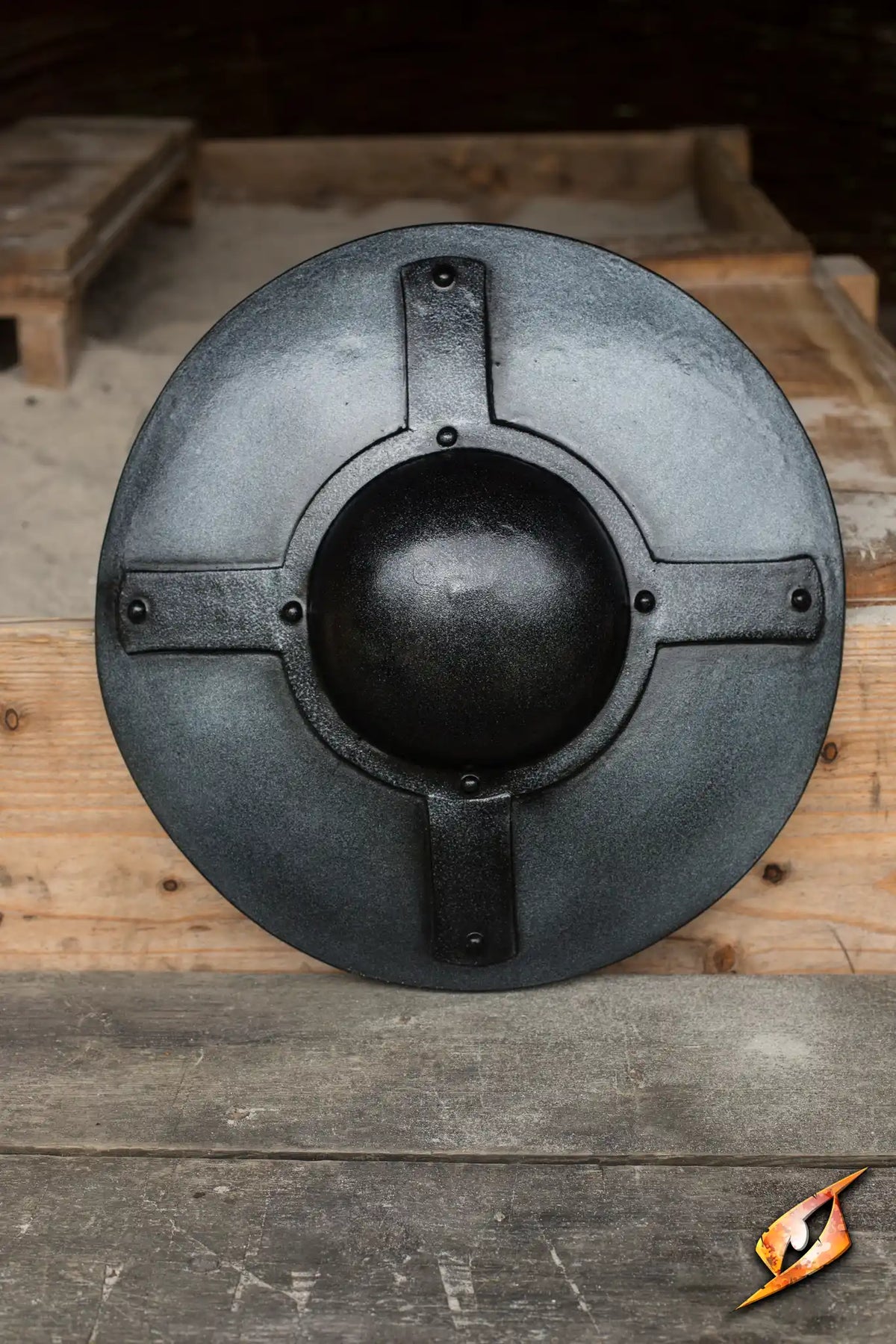
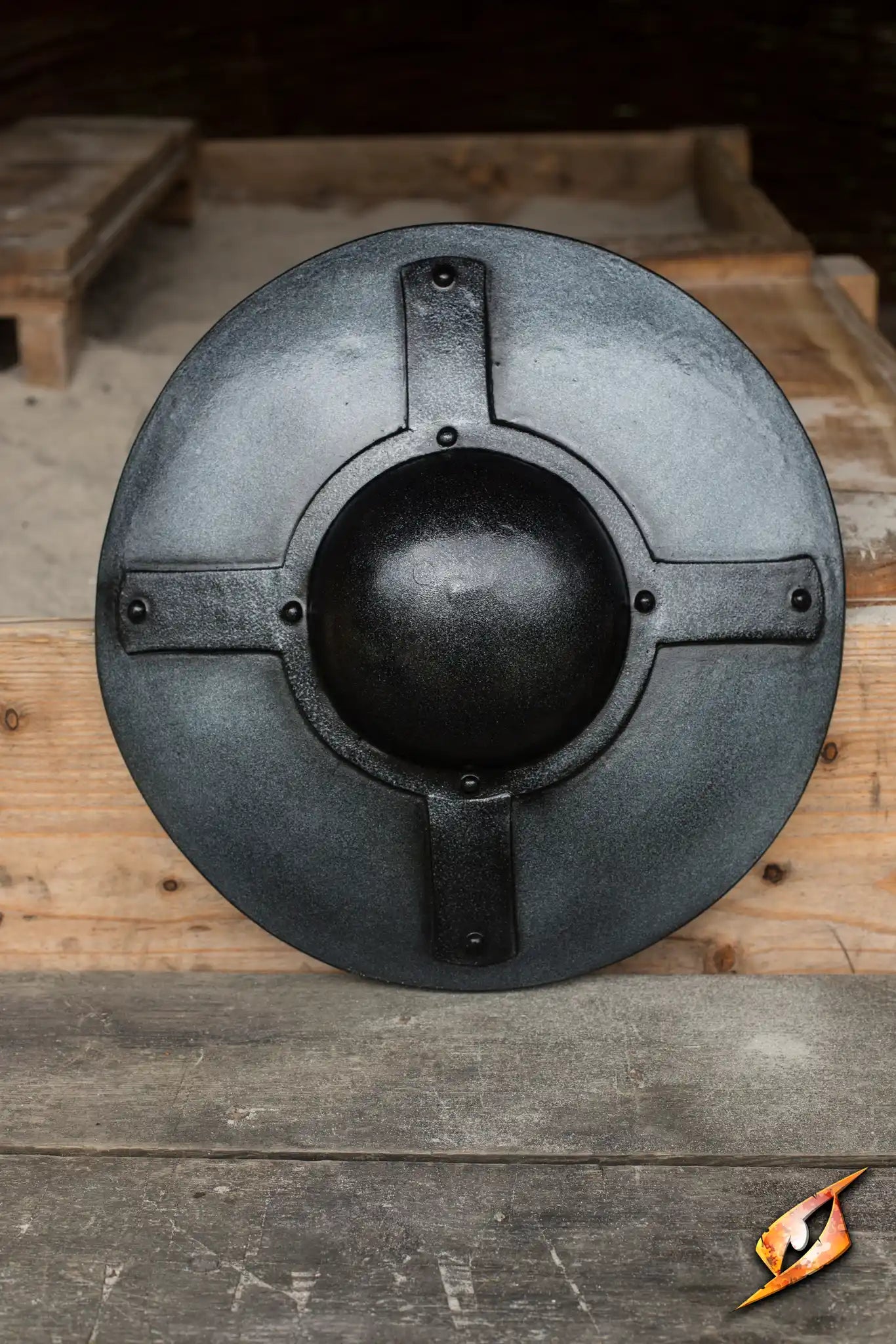
The Buckler
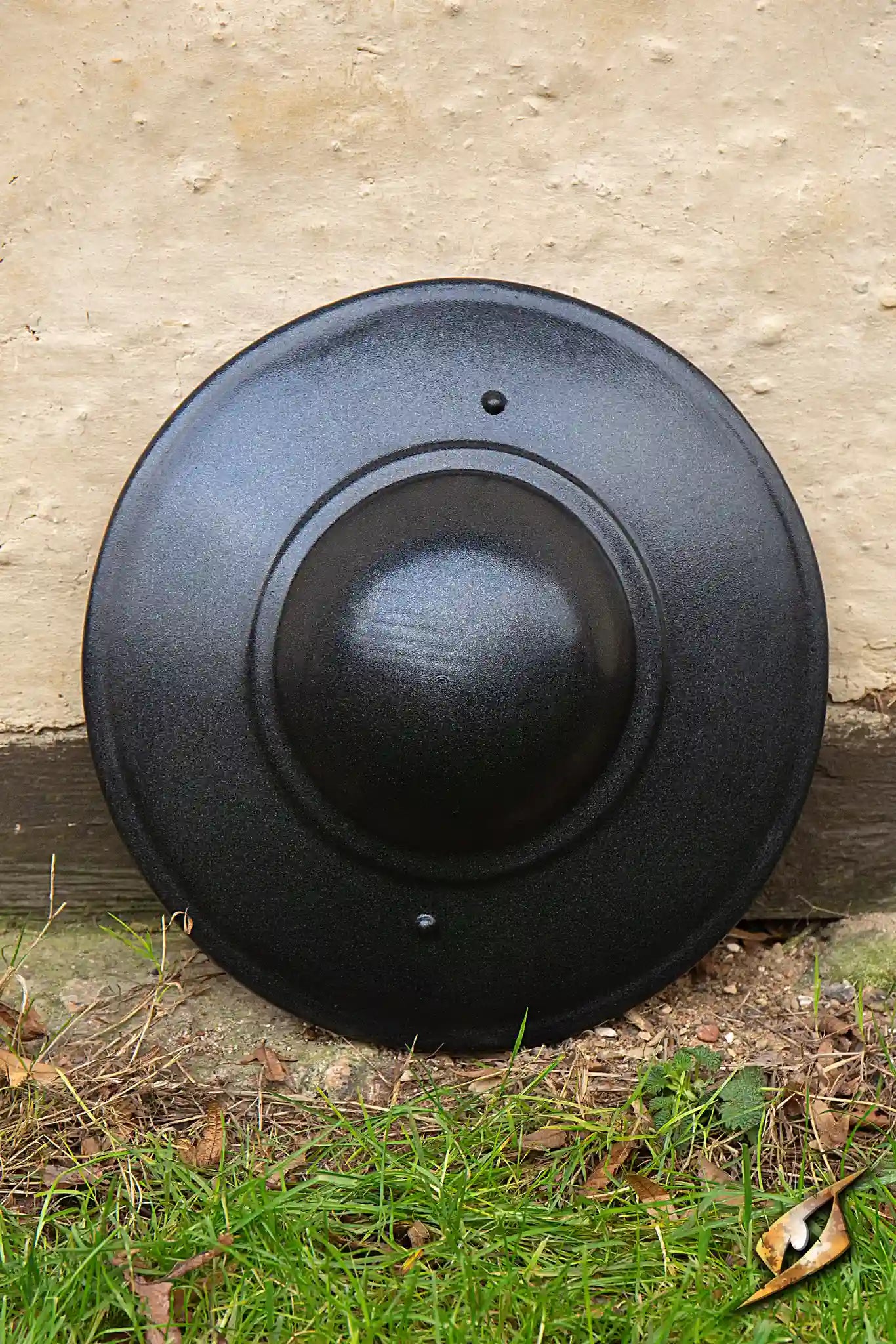
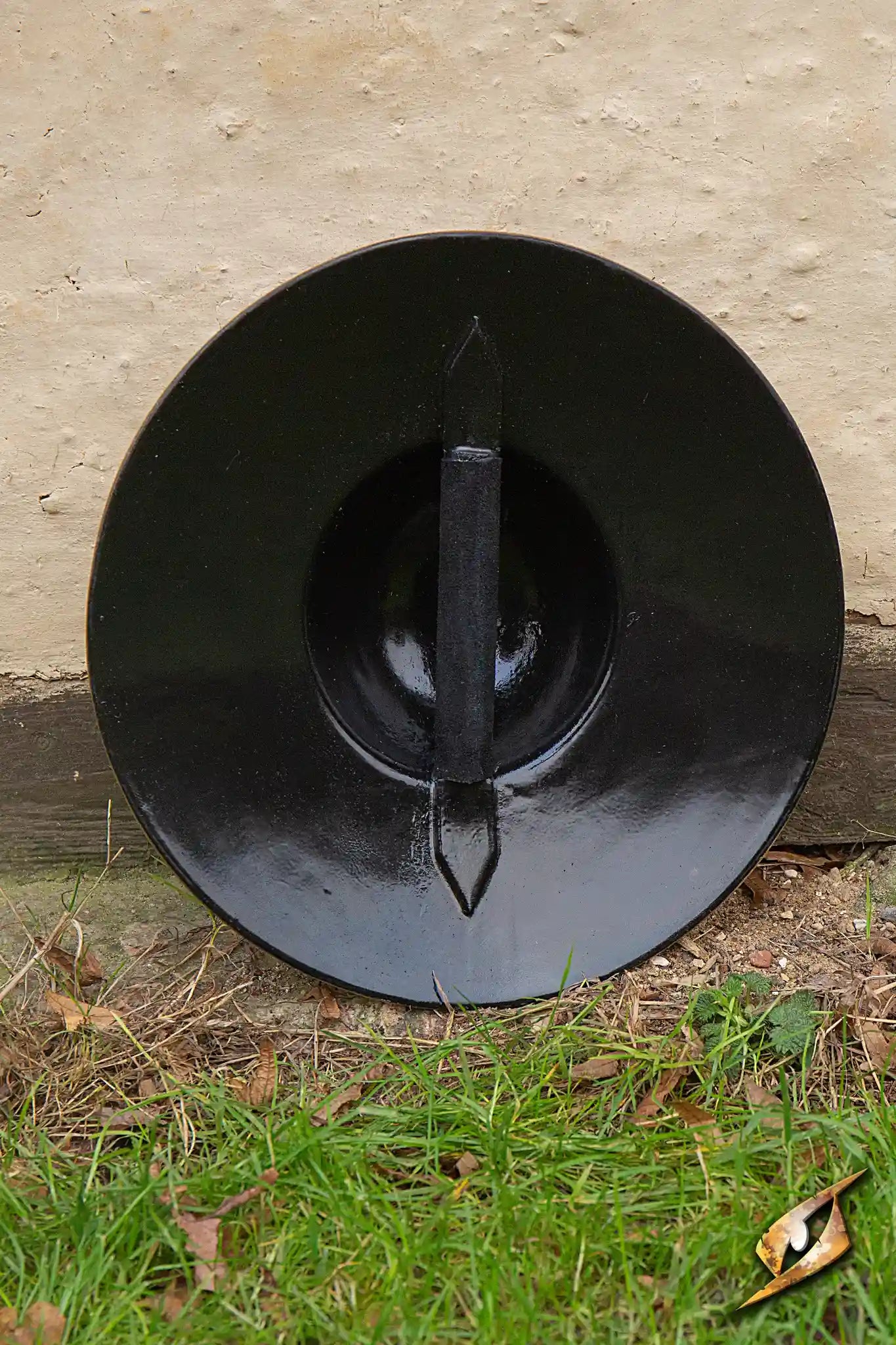
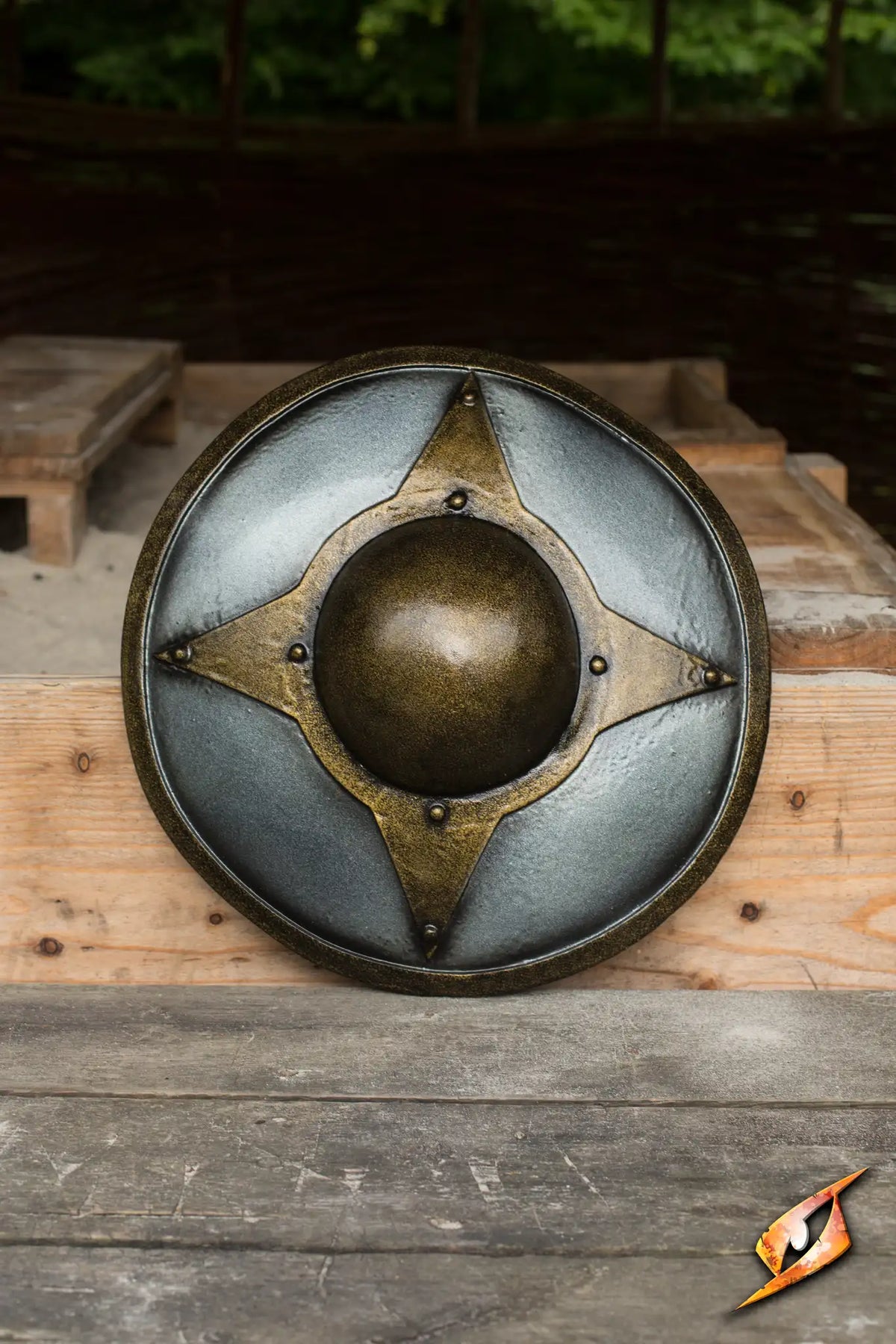
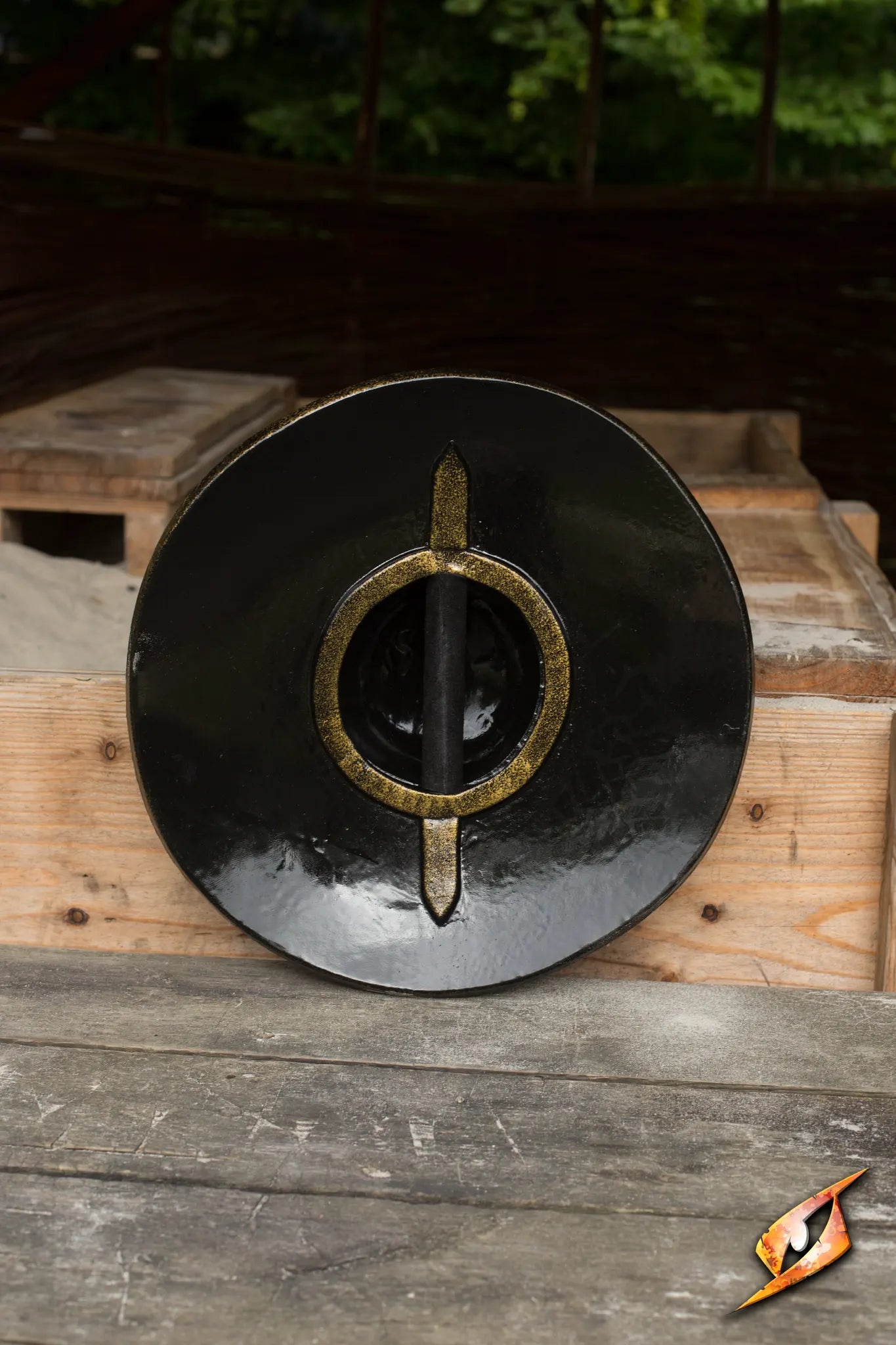
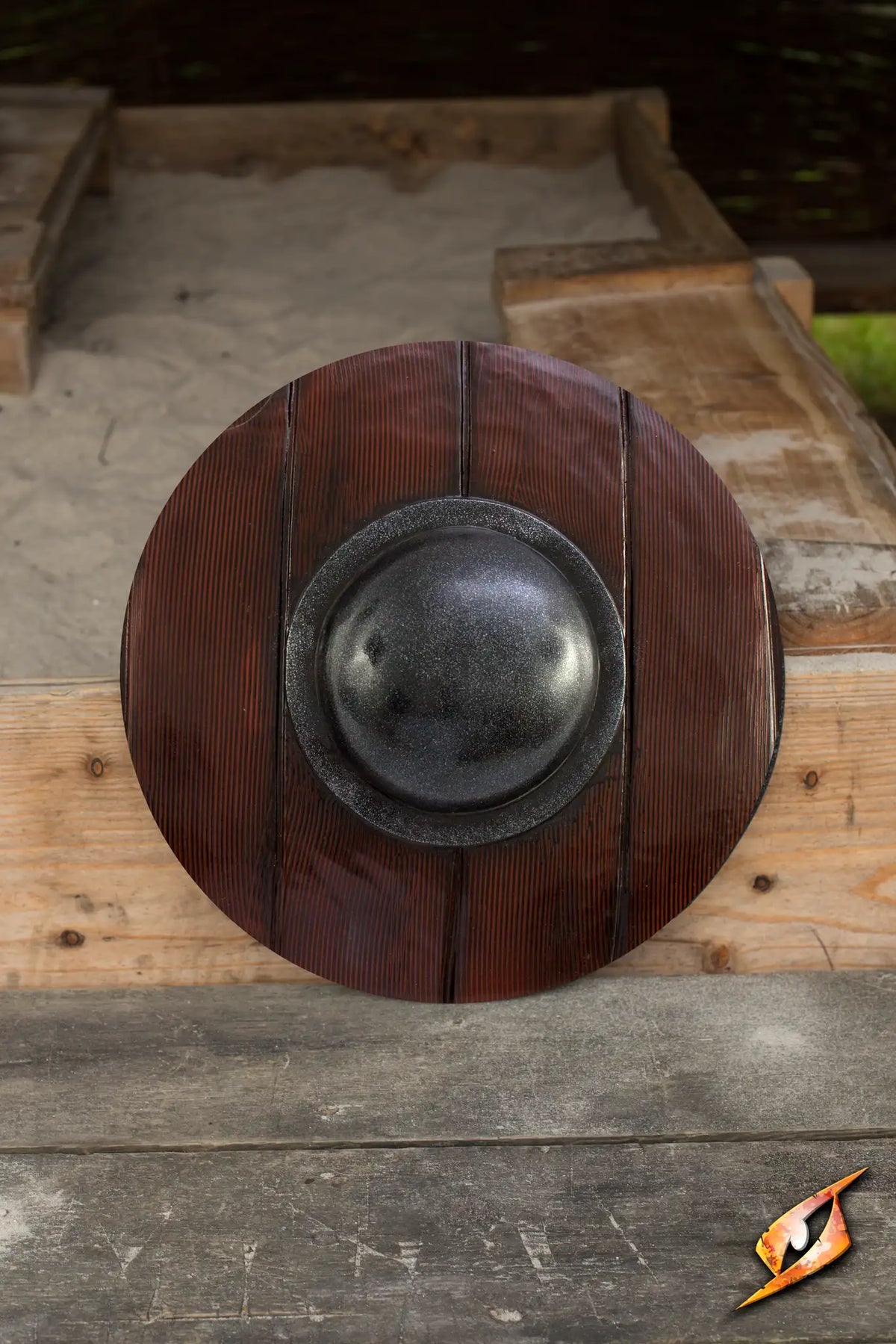
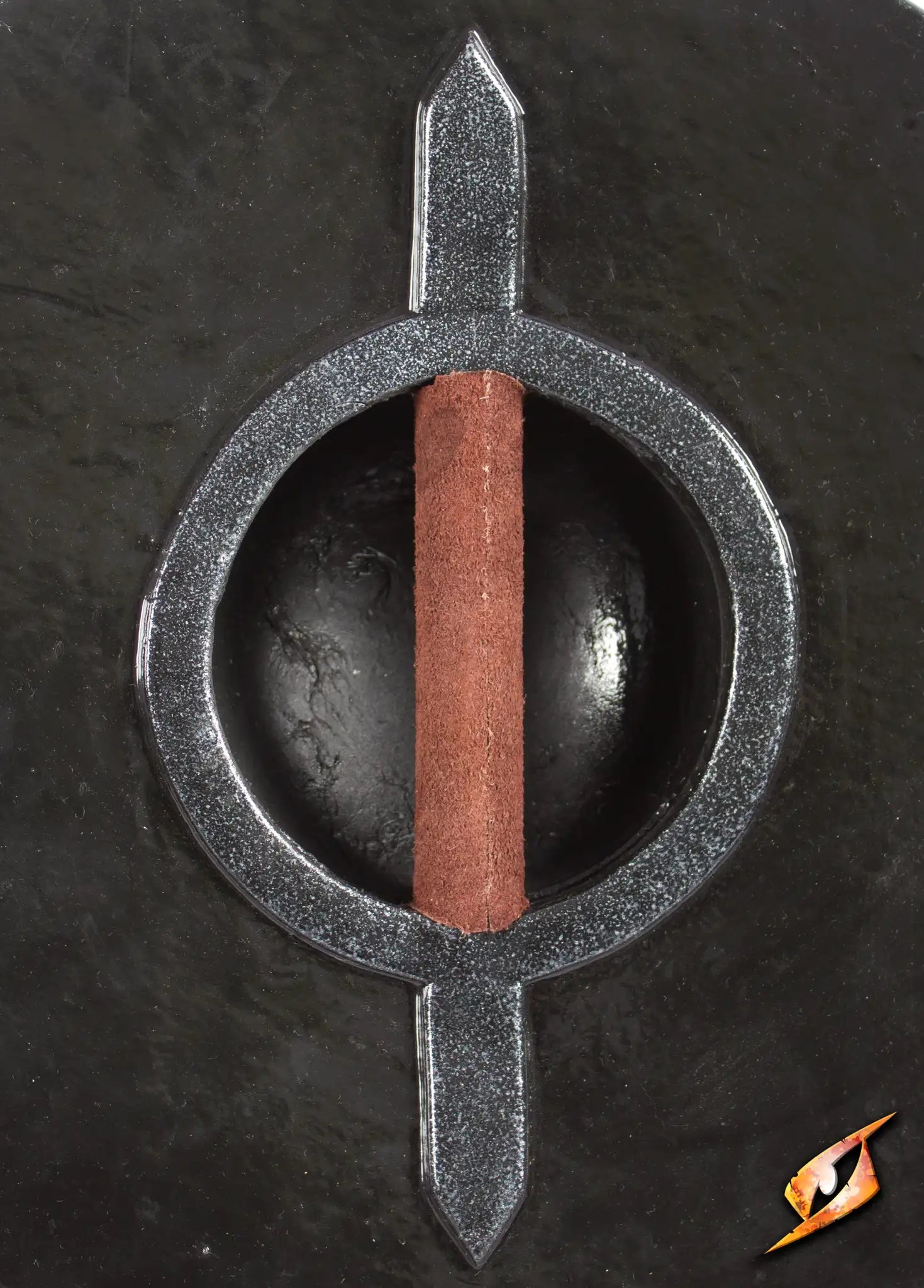
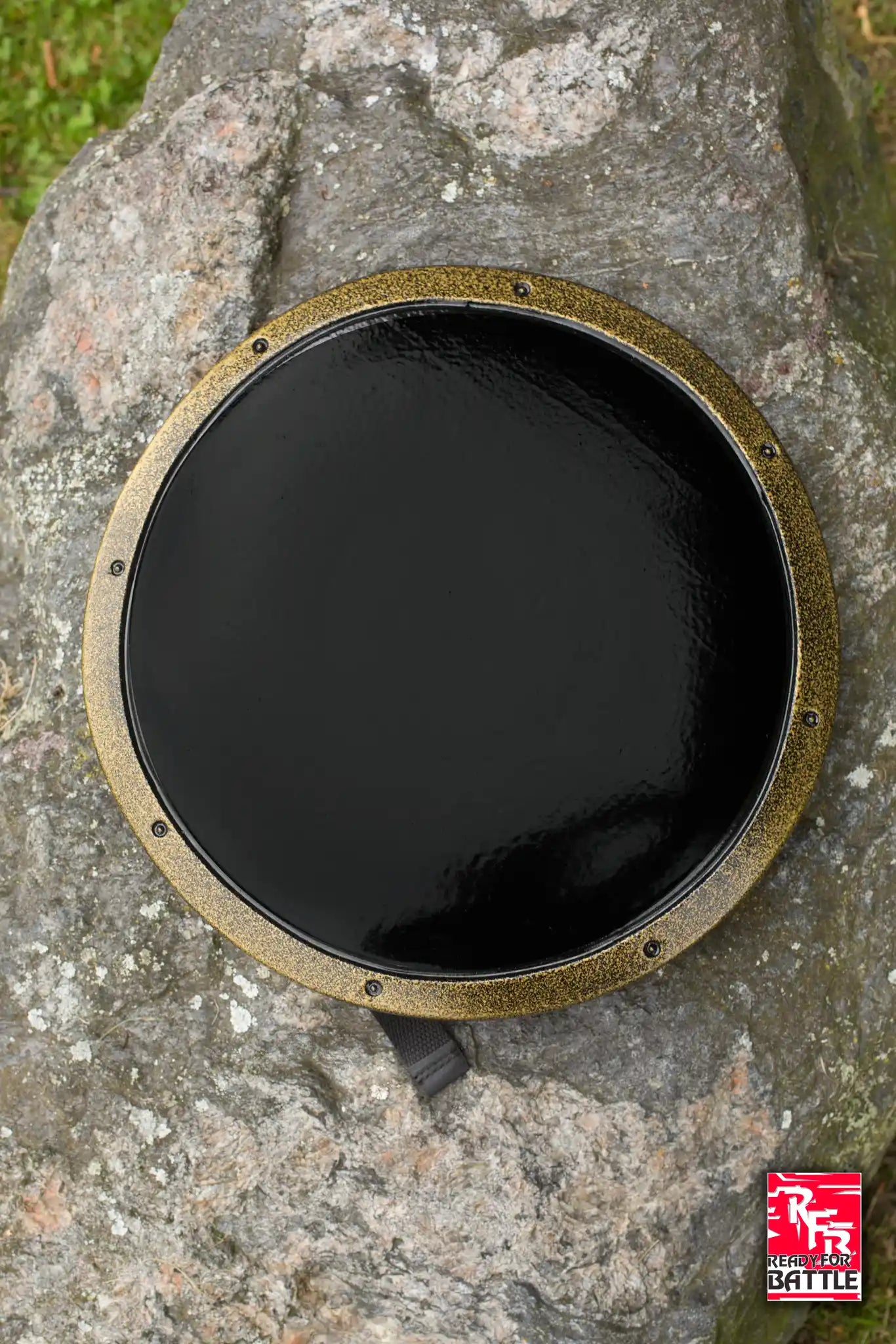
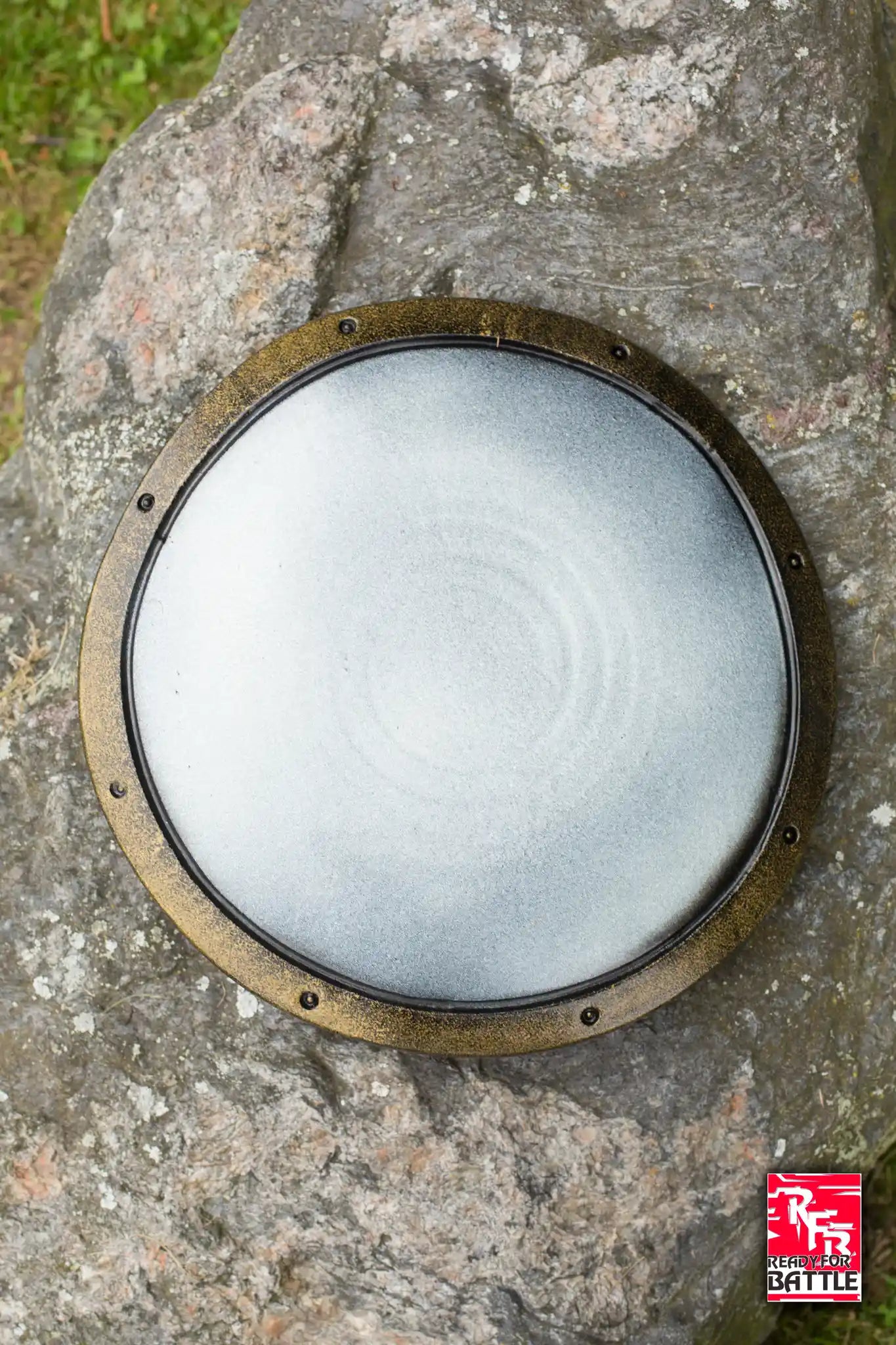
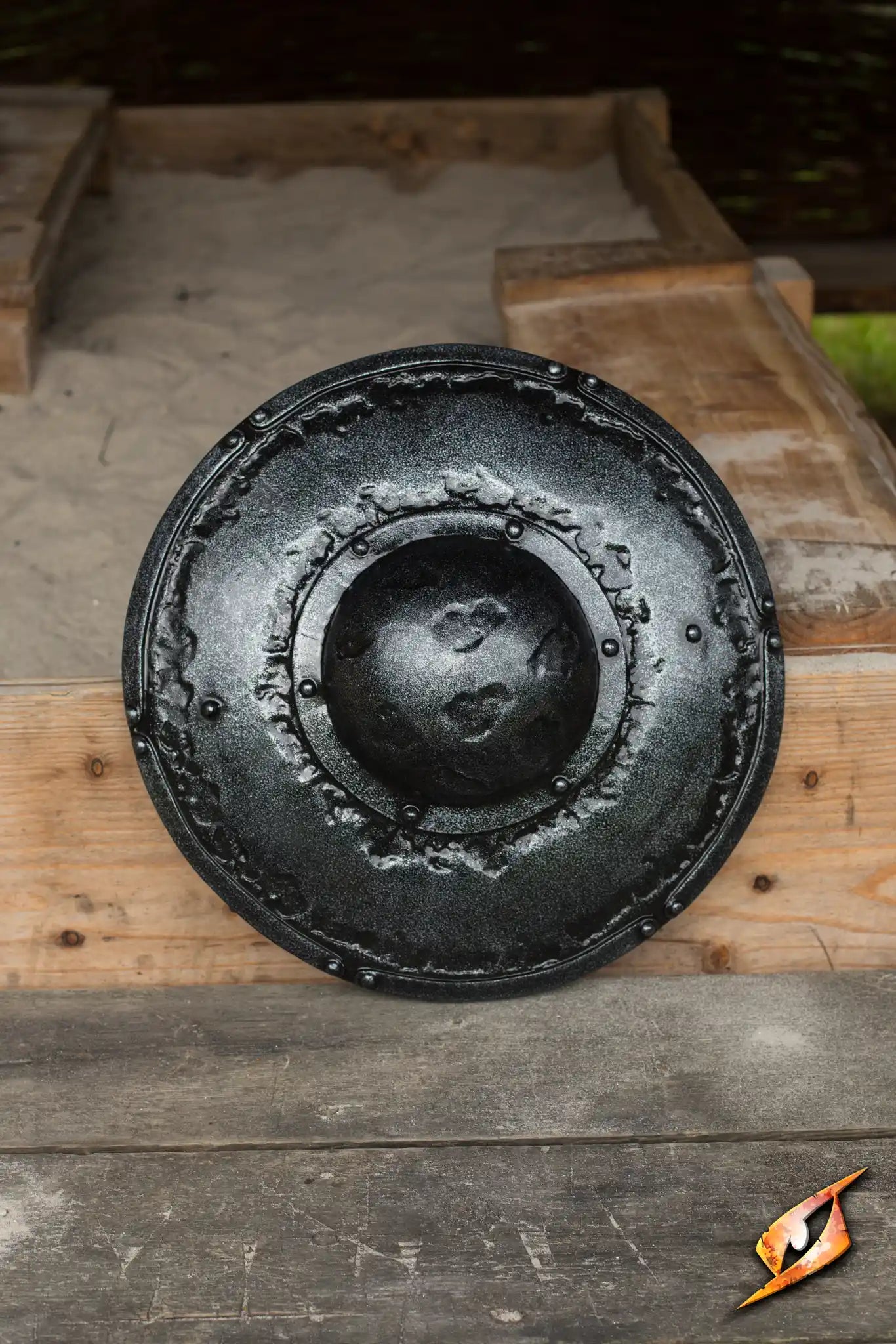
By the 14th and 15th centuries, as swordsmanship became a discipline in its own right (and dueling manuals like those of the German and Italian masters began circulating), a new kind of shield emerged: small, fast, and built for one-on-one combat rather than mass formation. The buckler was a small hand shield, often not much larger than a dinner plate, used to parry and trap an opponent's blade while attacking with the other hand.
The buckler's defining feature was its size: small enough to be almost an extension of the sword hand, letting a skilled fencer parry, punch, and counter-attack in the same motion.
Bucklers for larp
Modern Times
Fantasy Shields
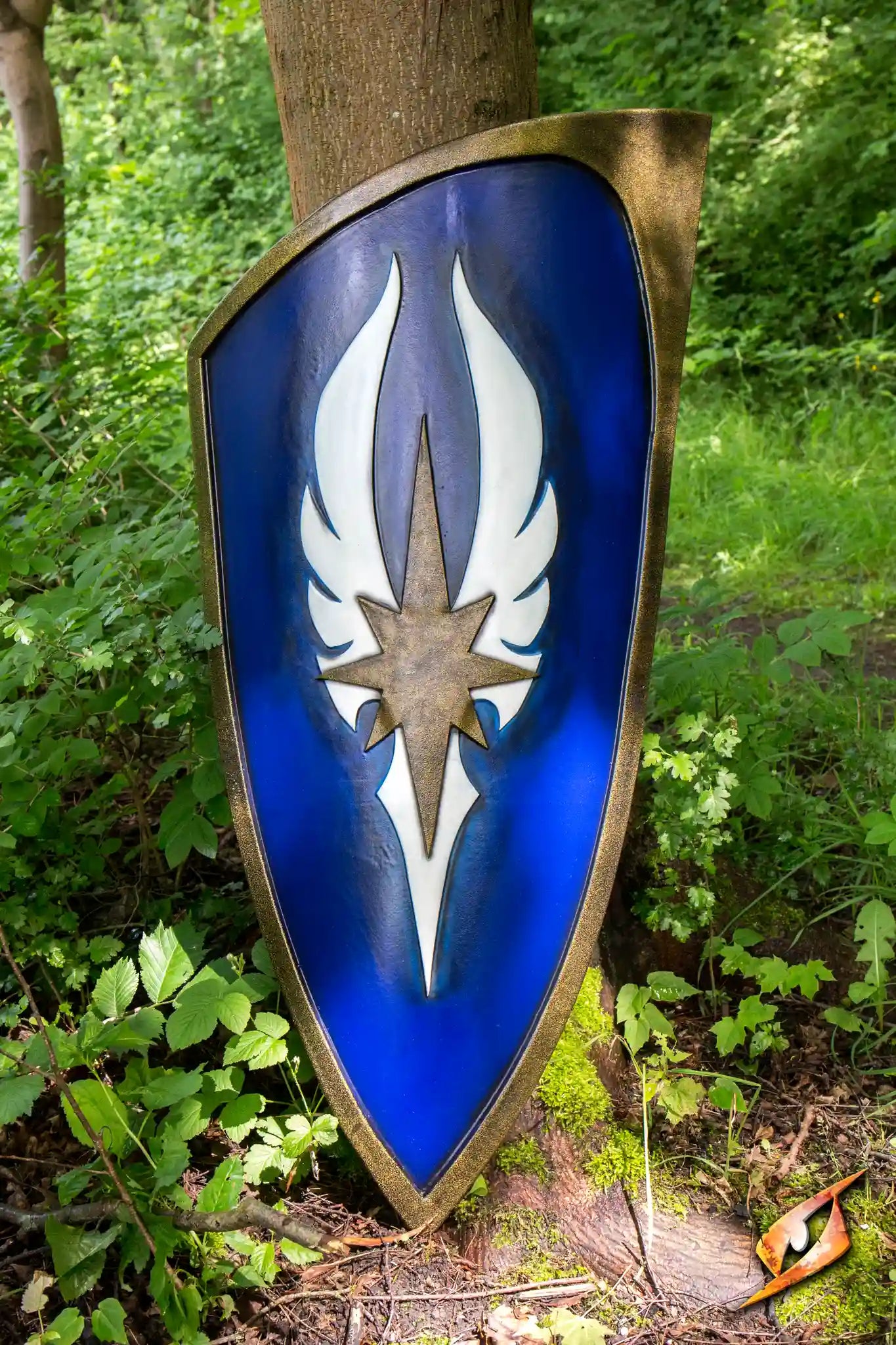
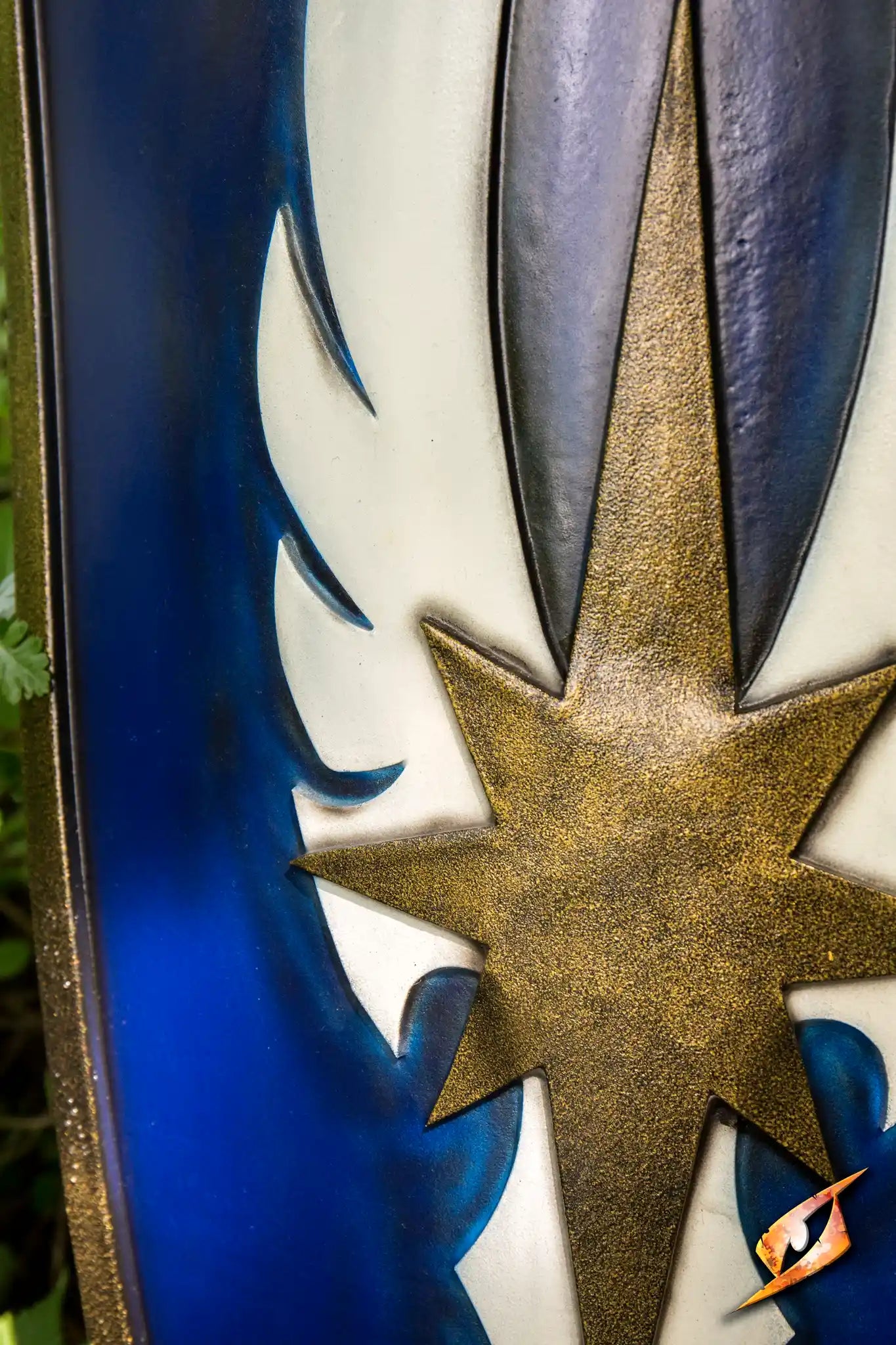
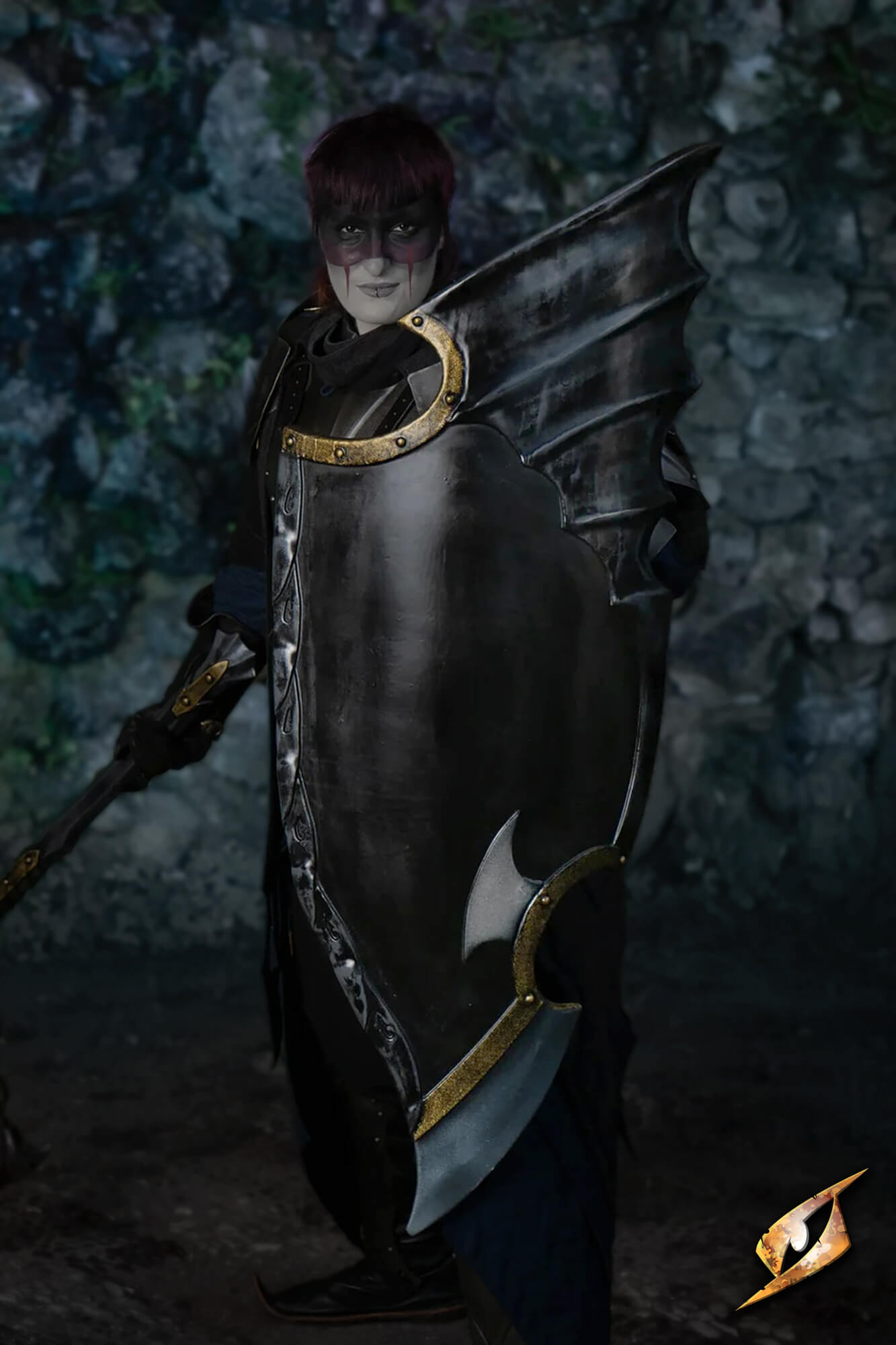
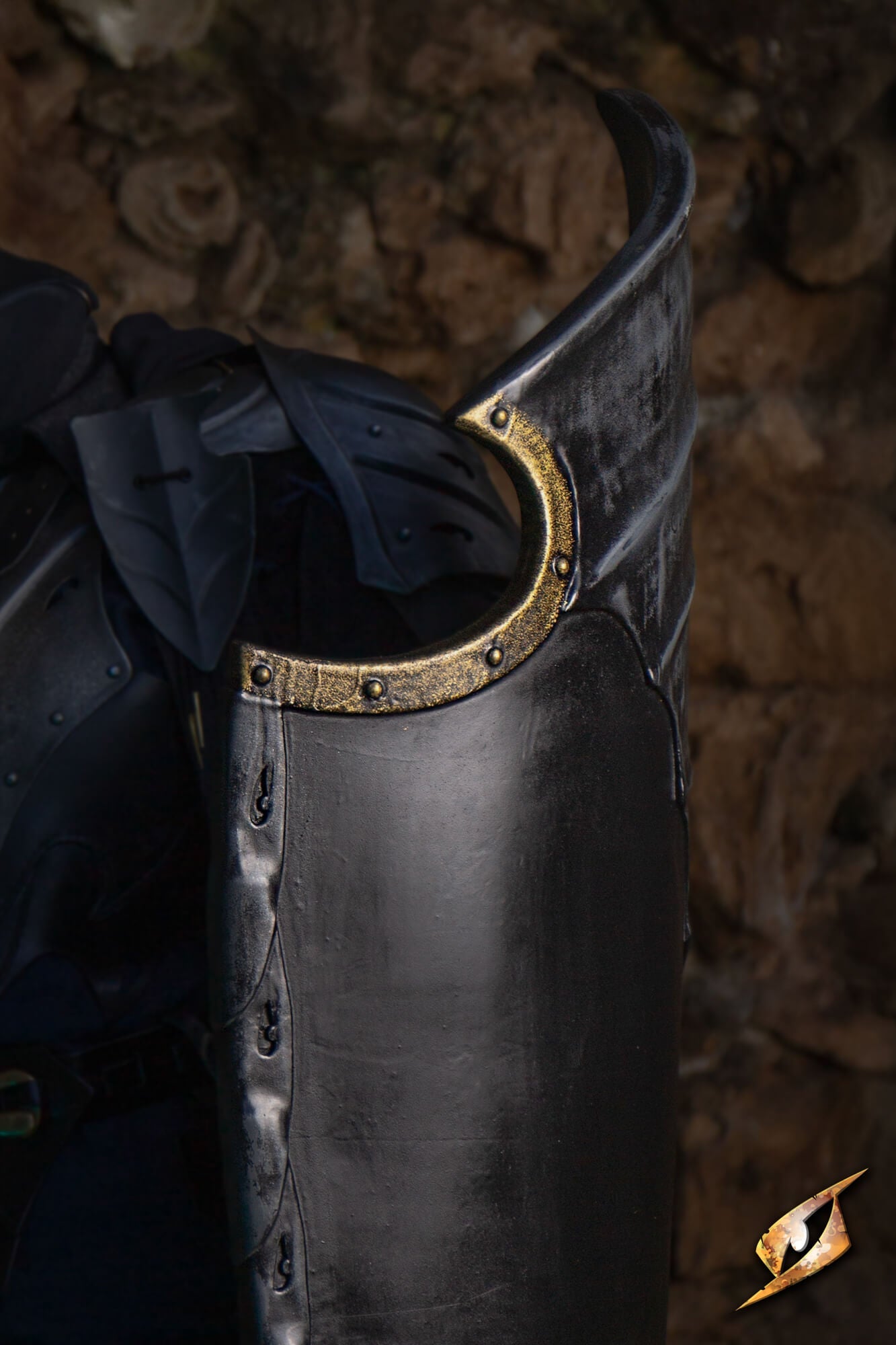
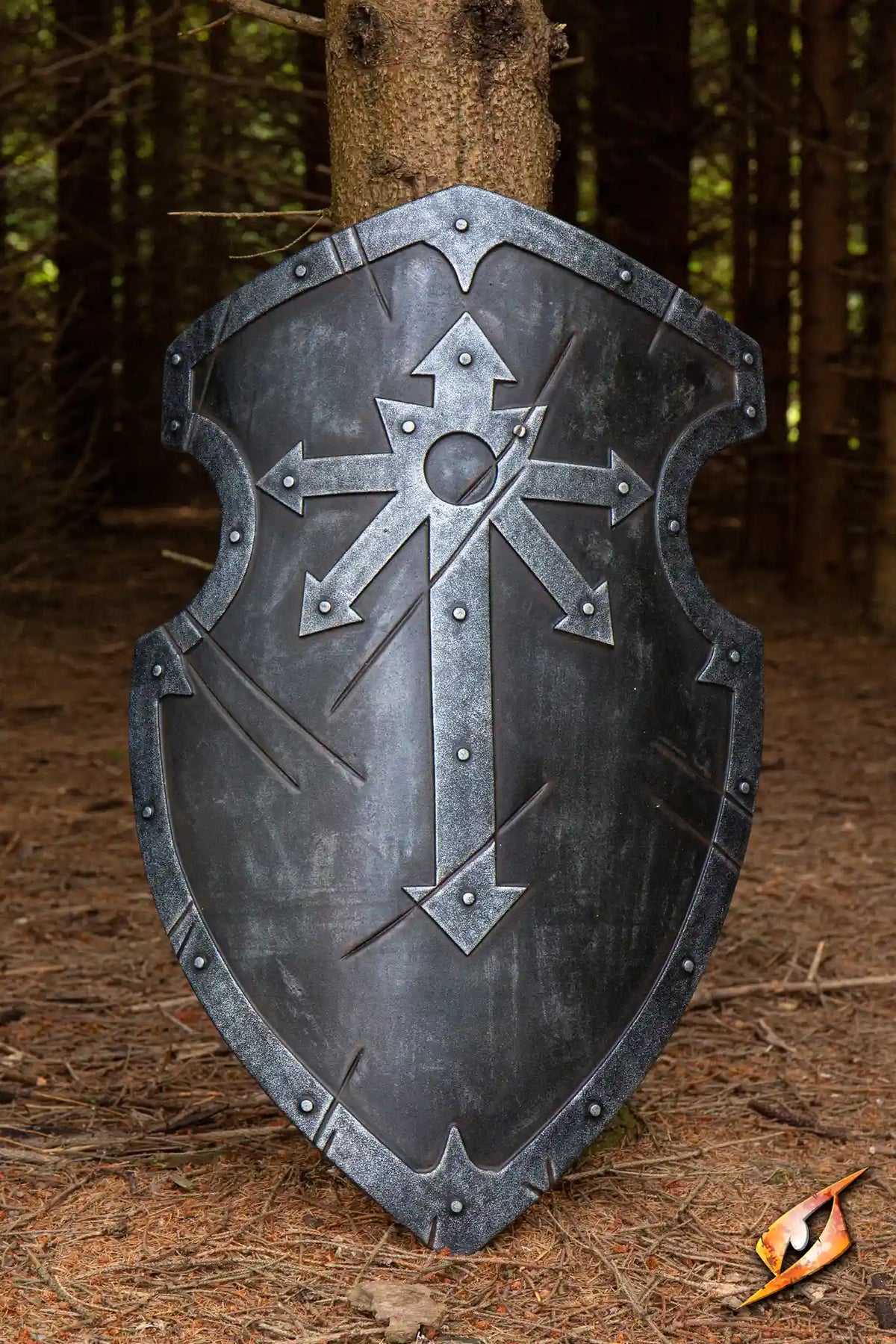
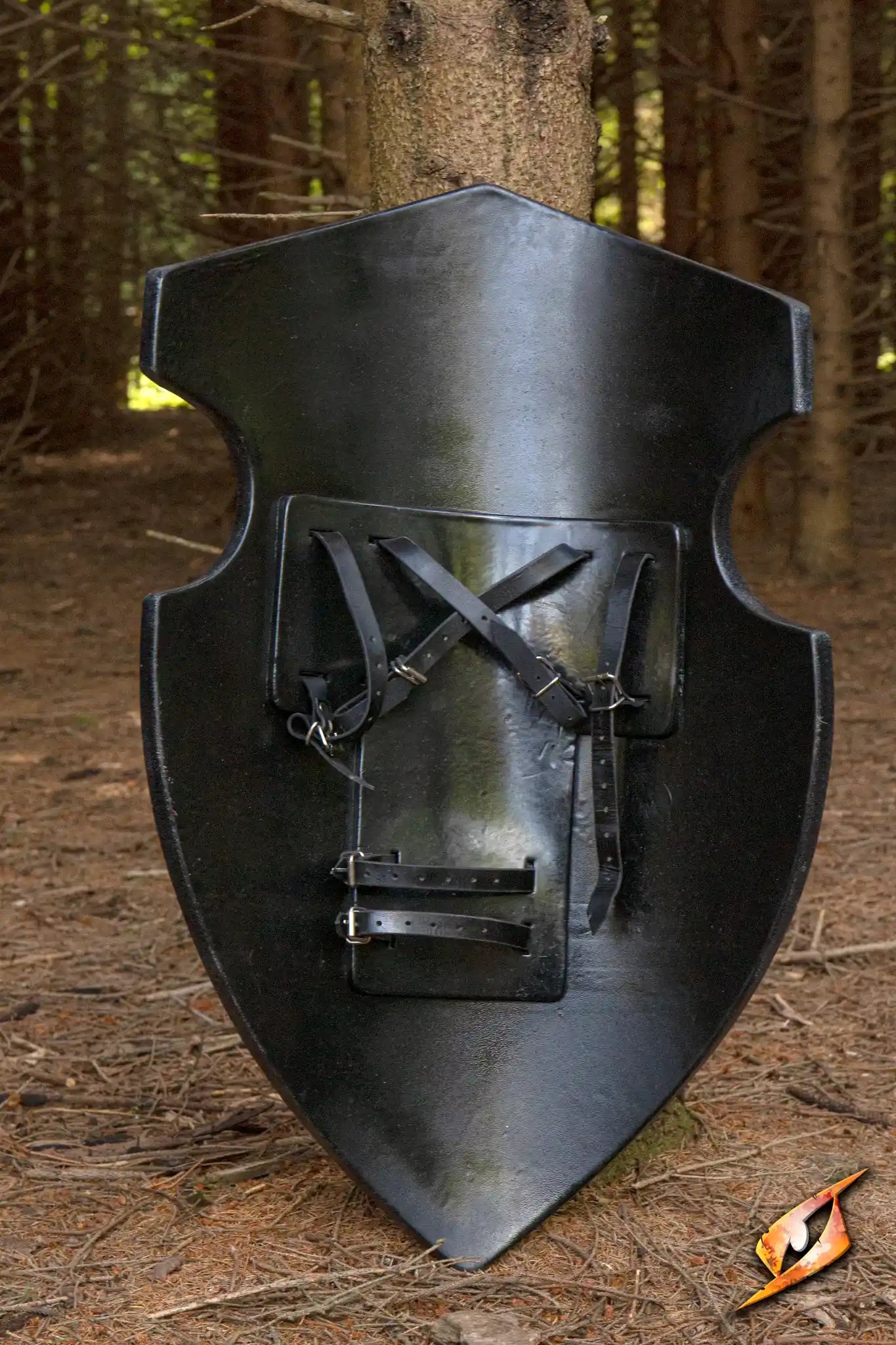
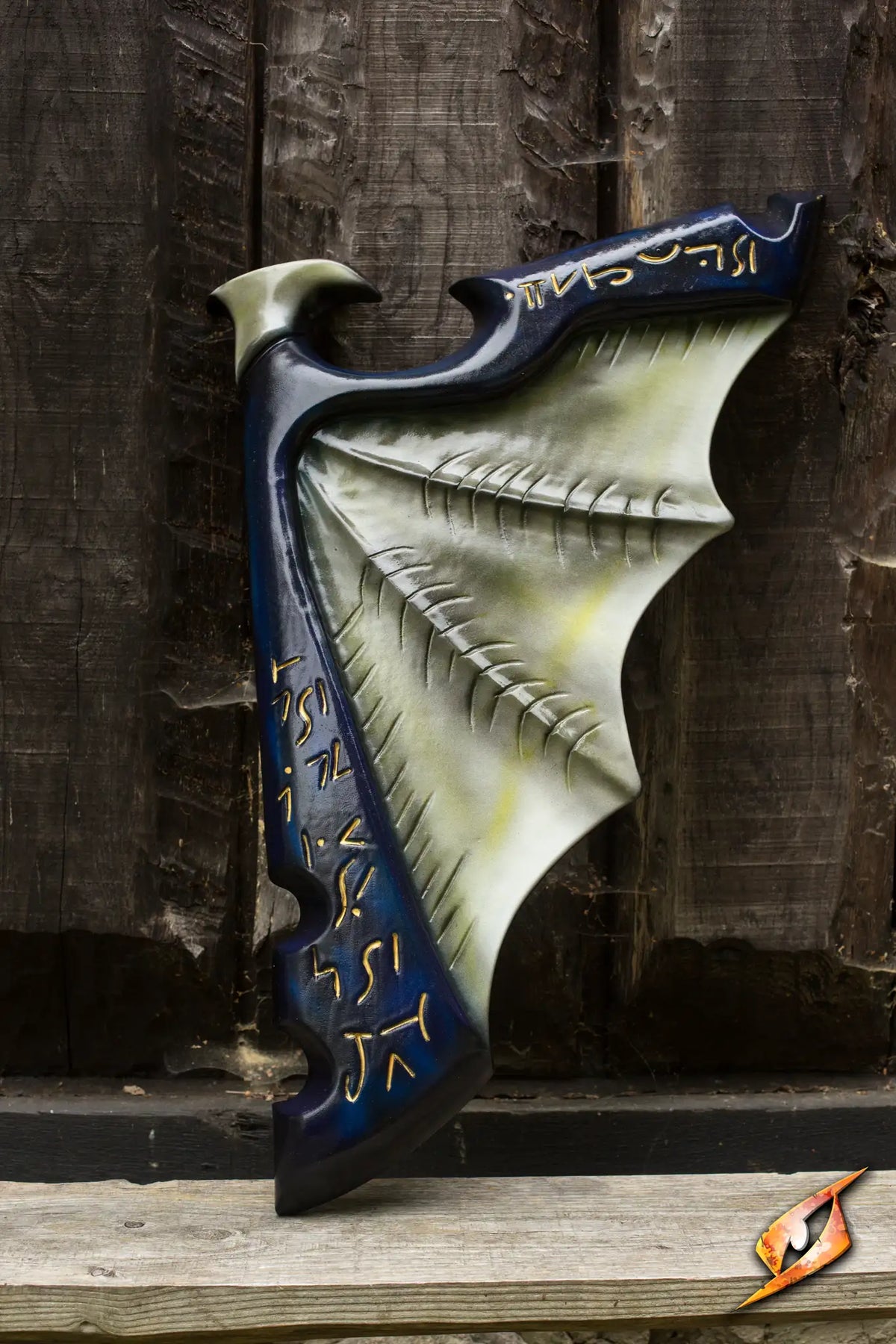
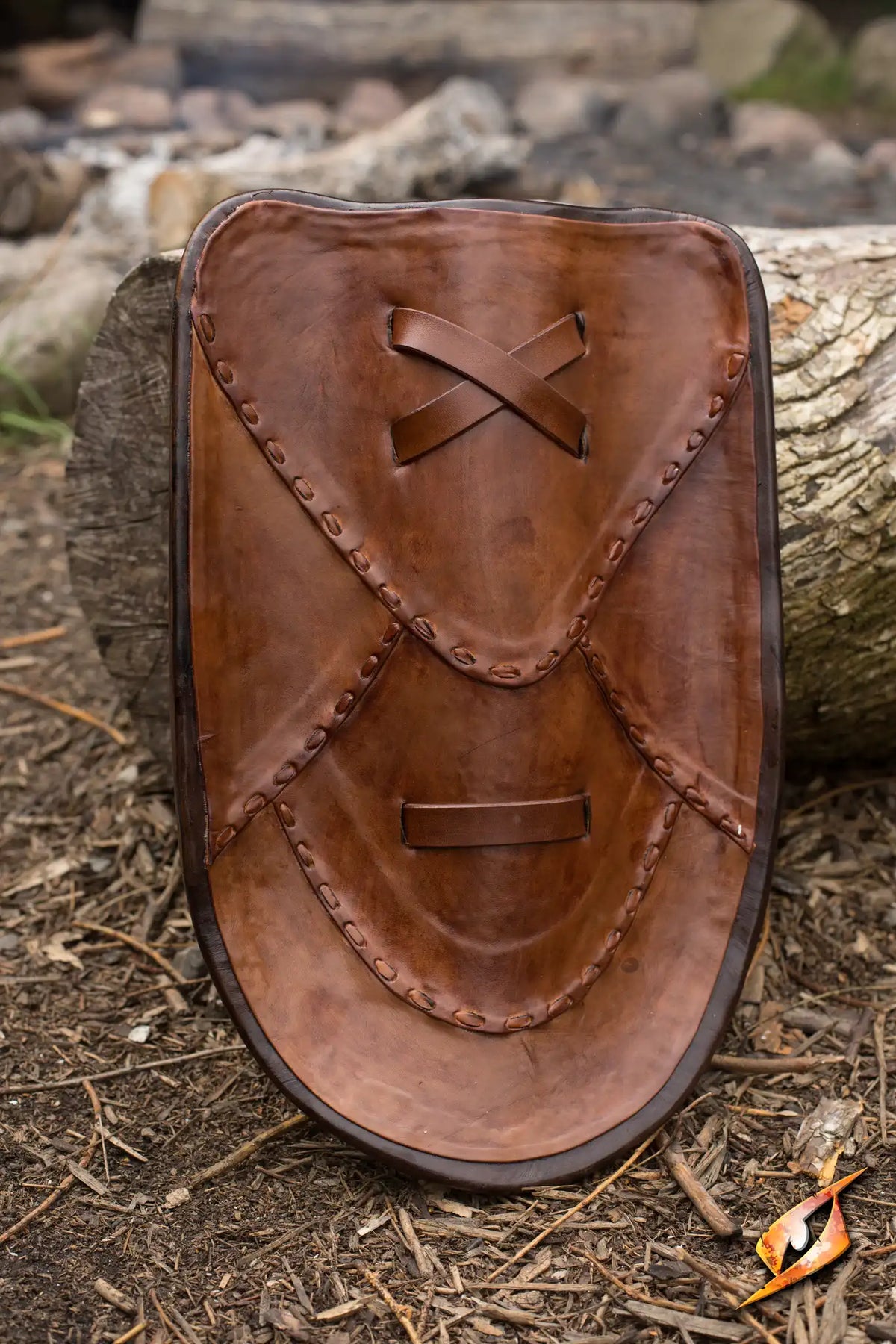
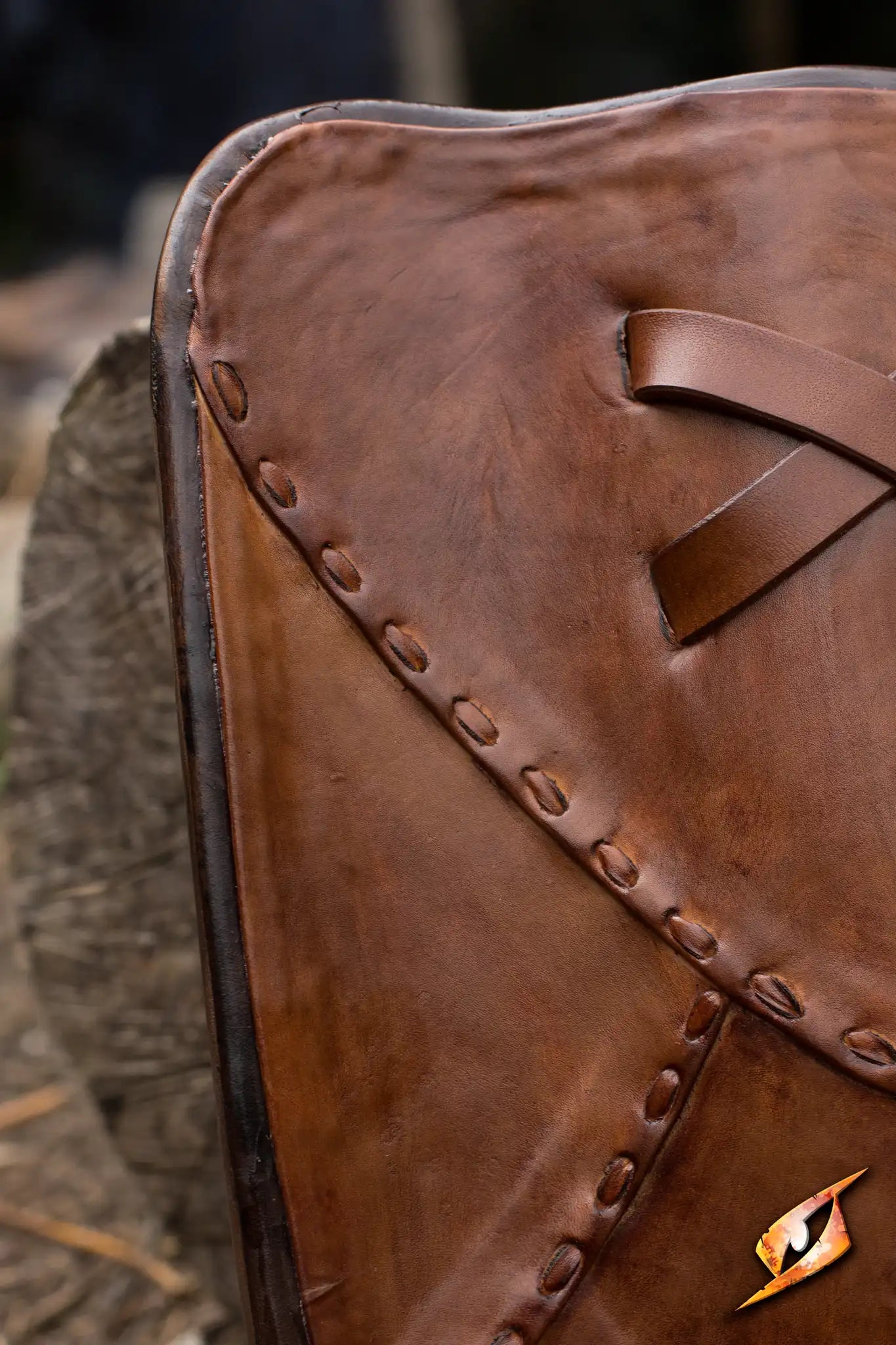
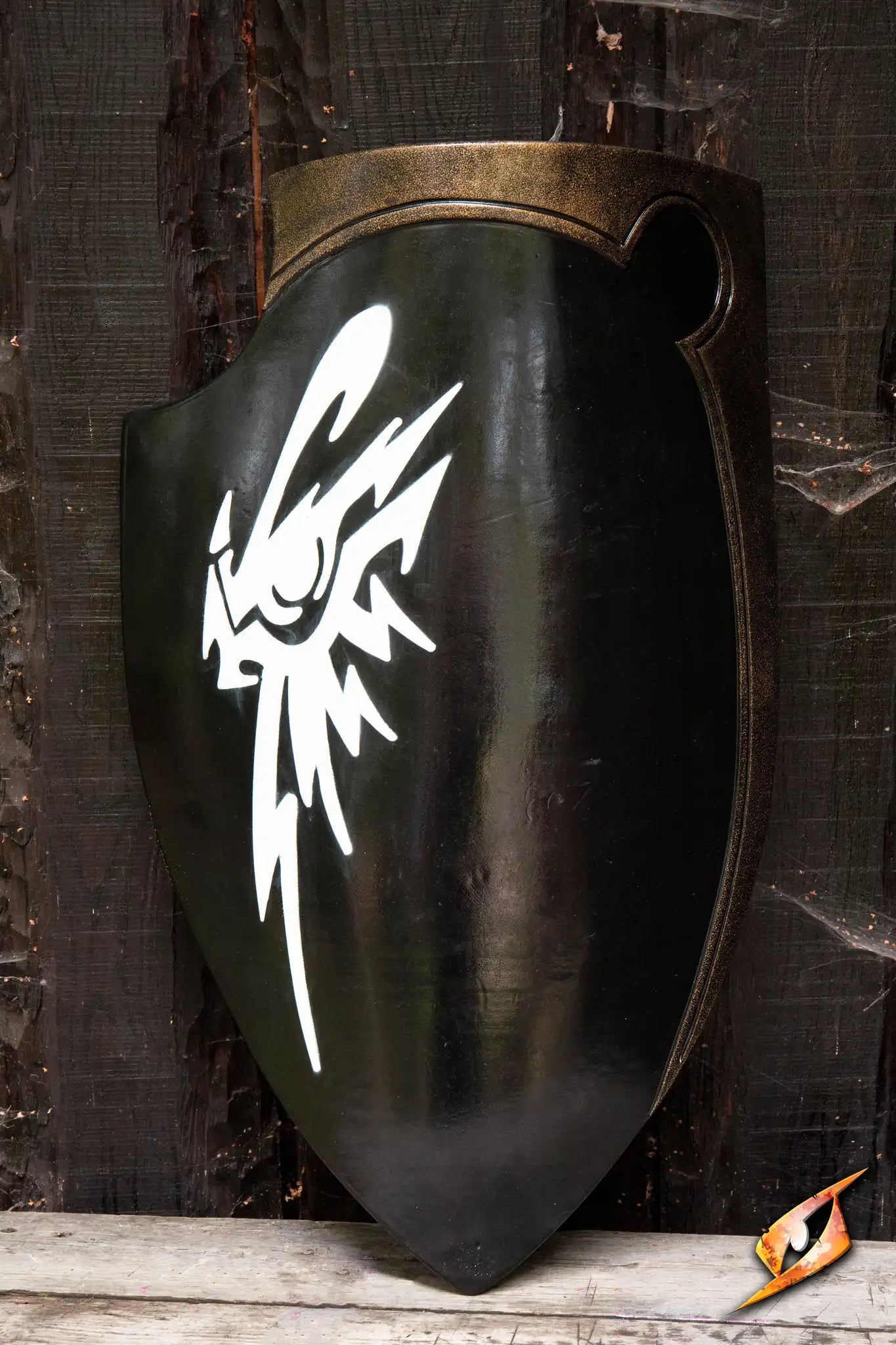
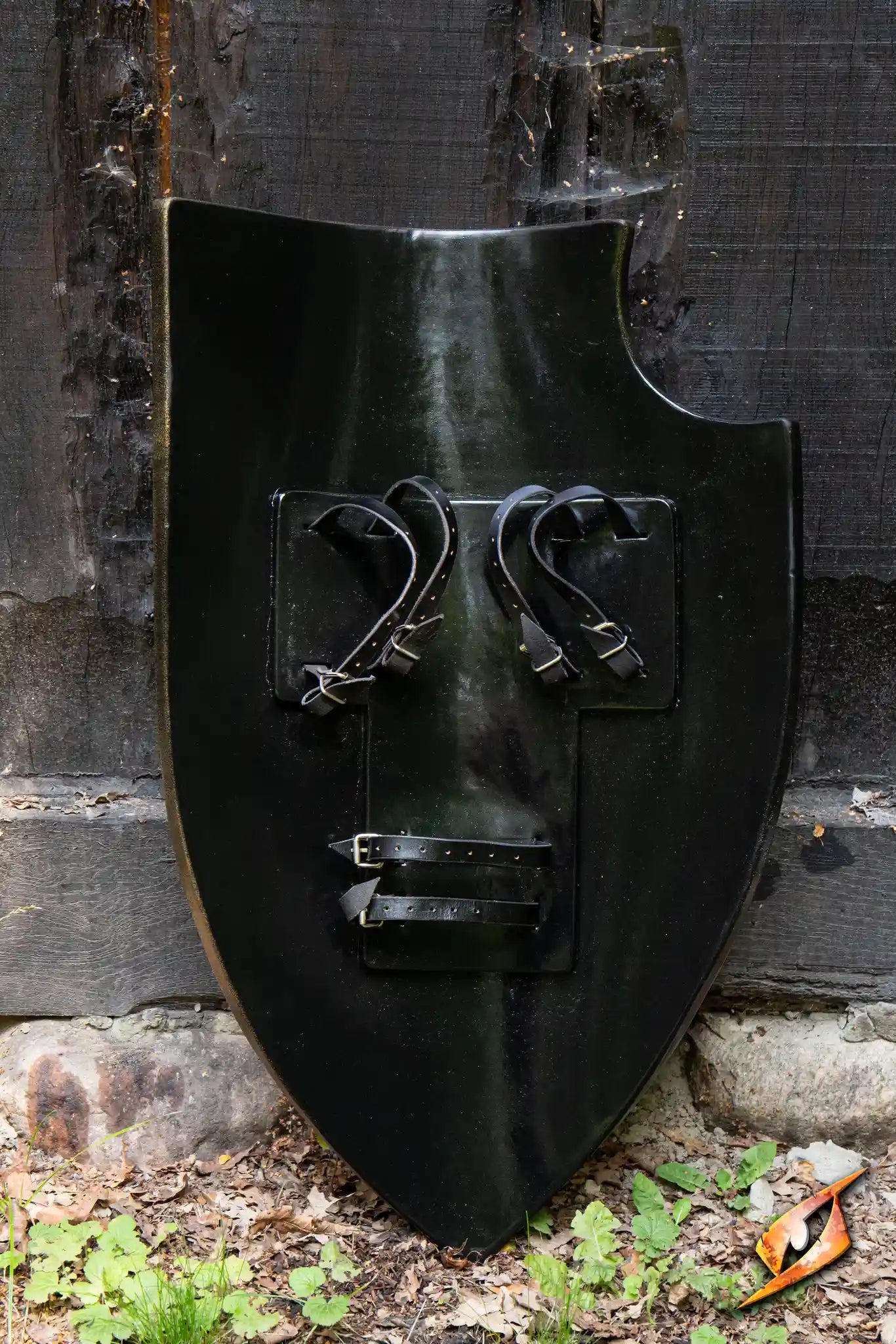
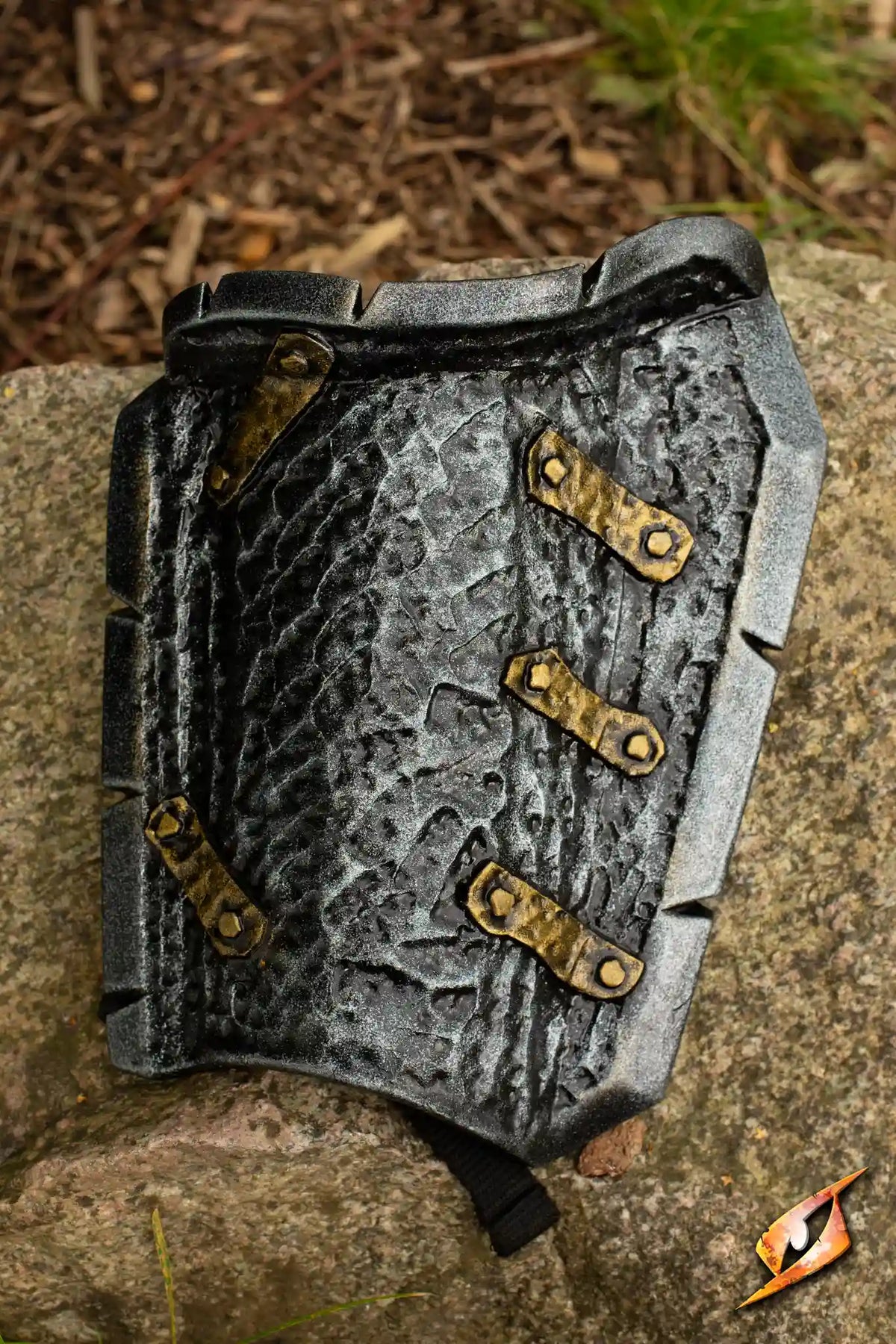
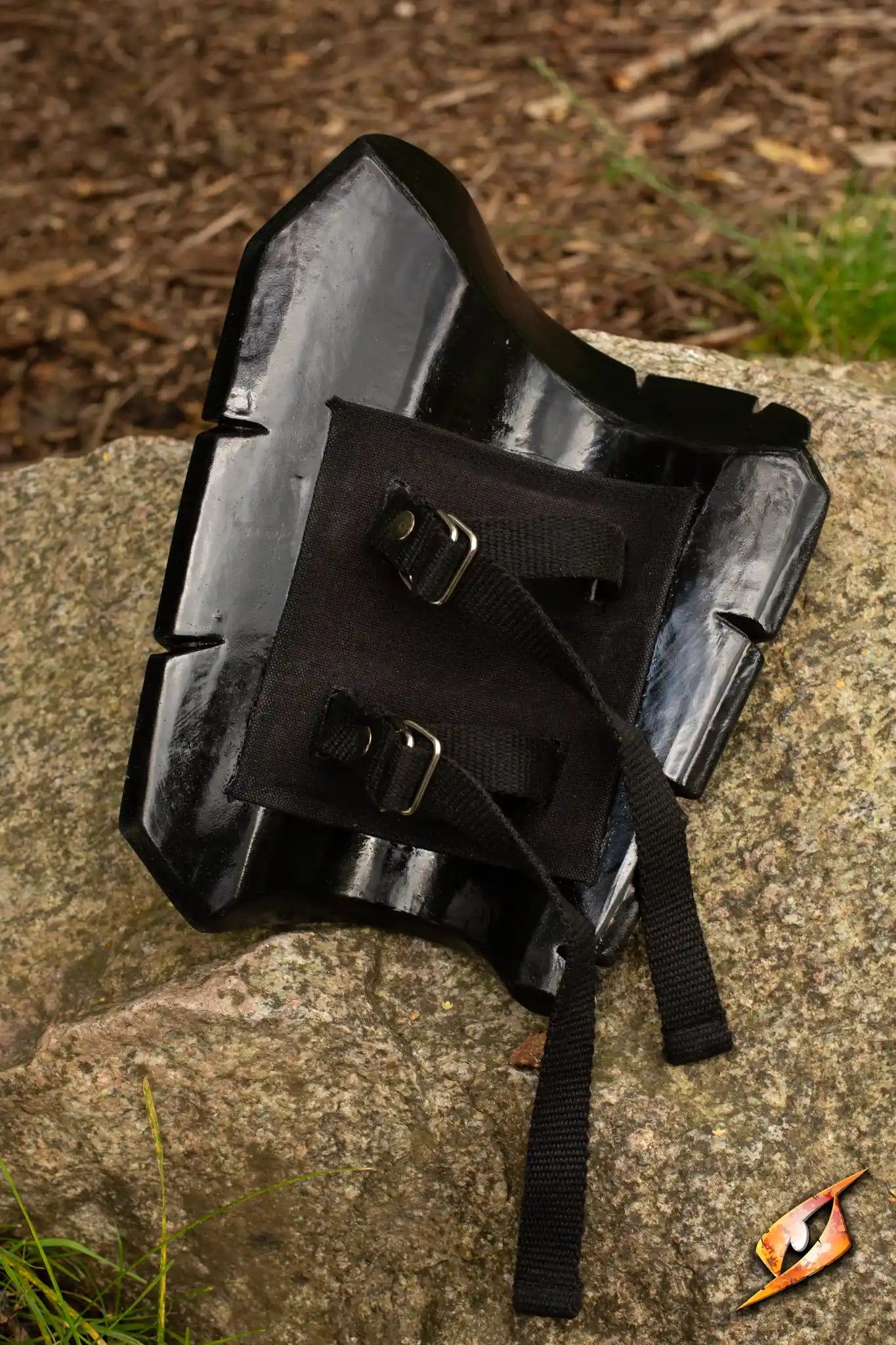
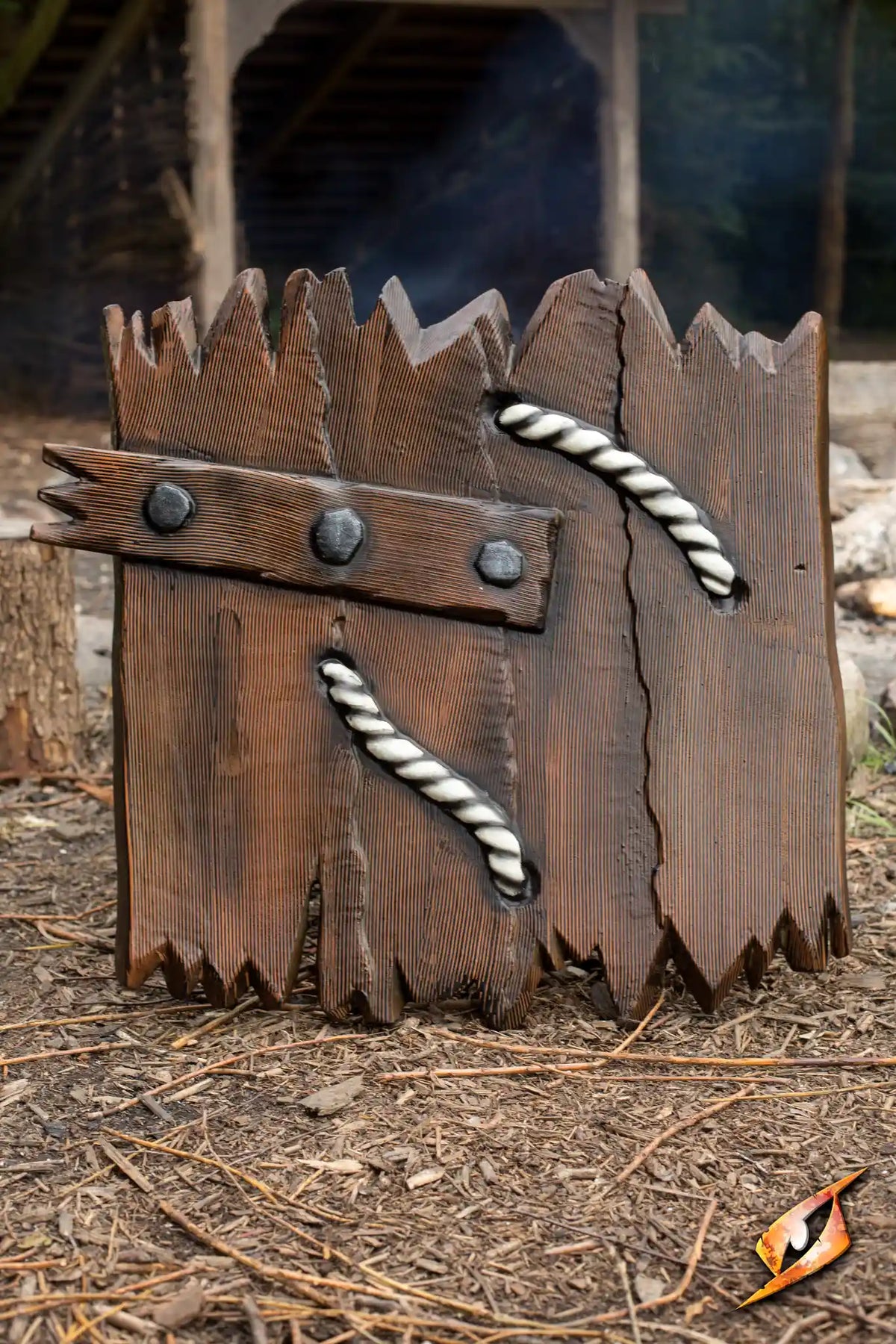
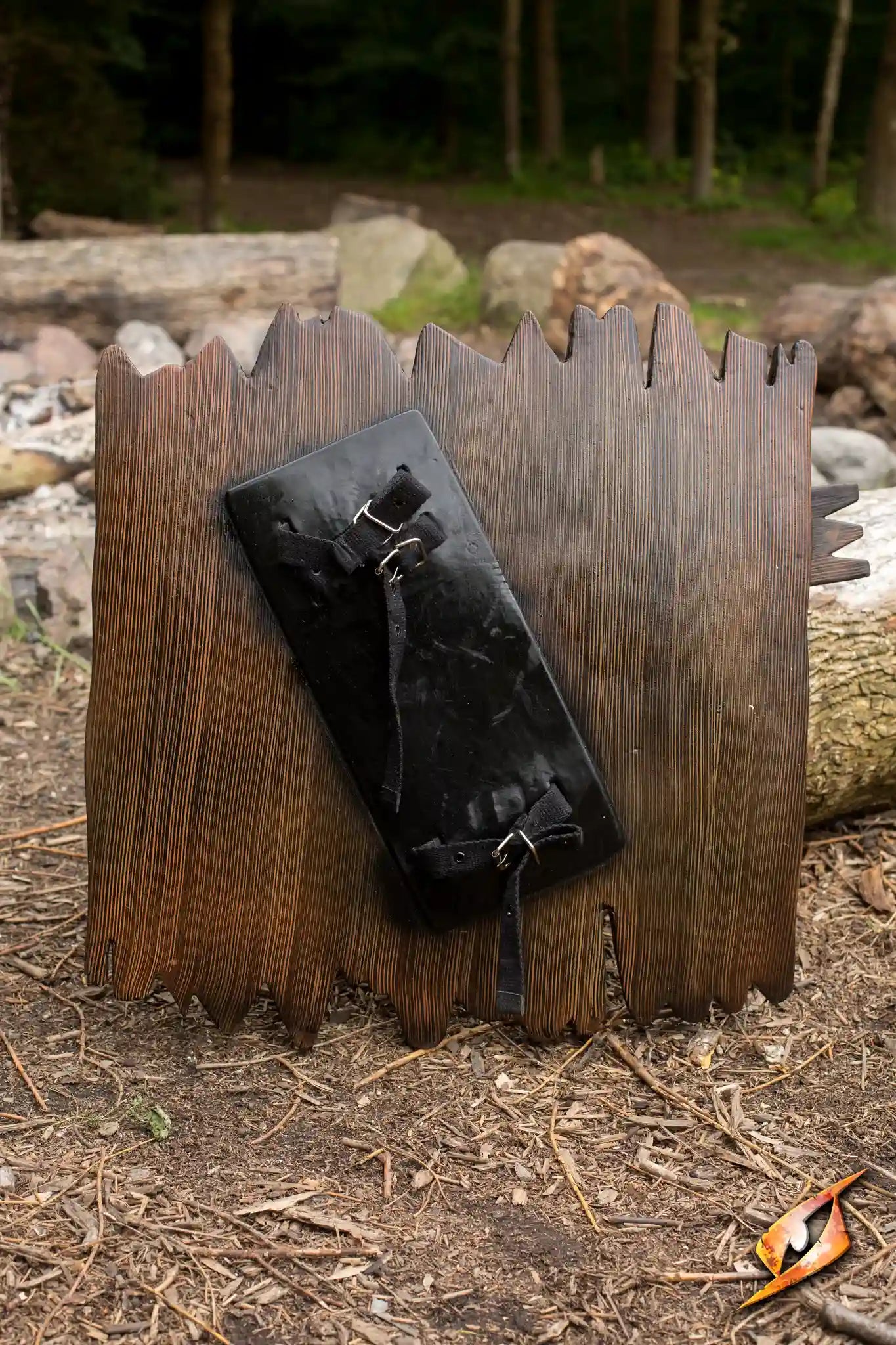
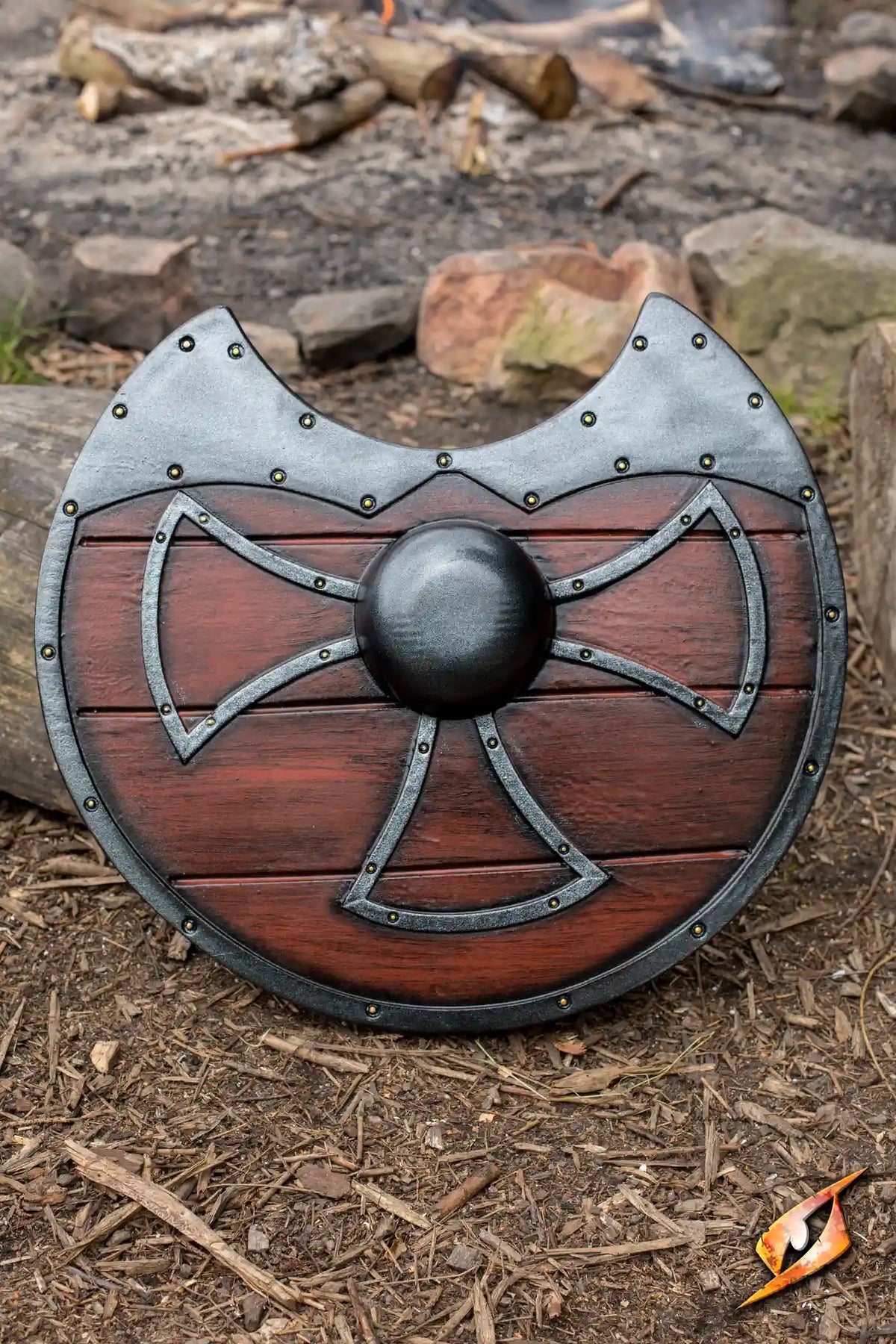
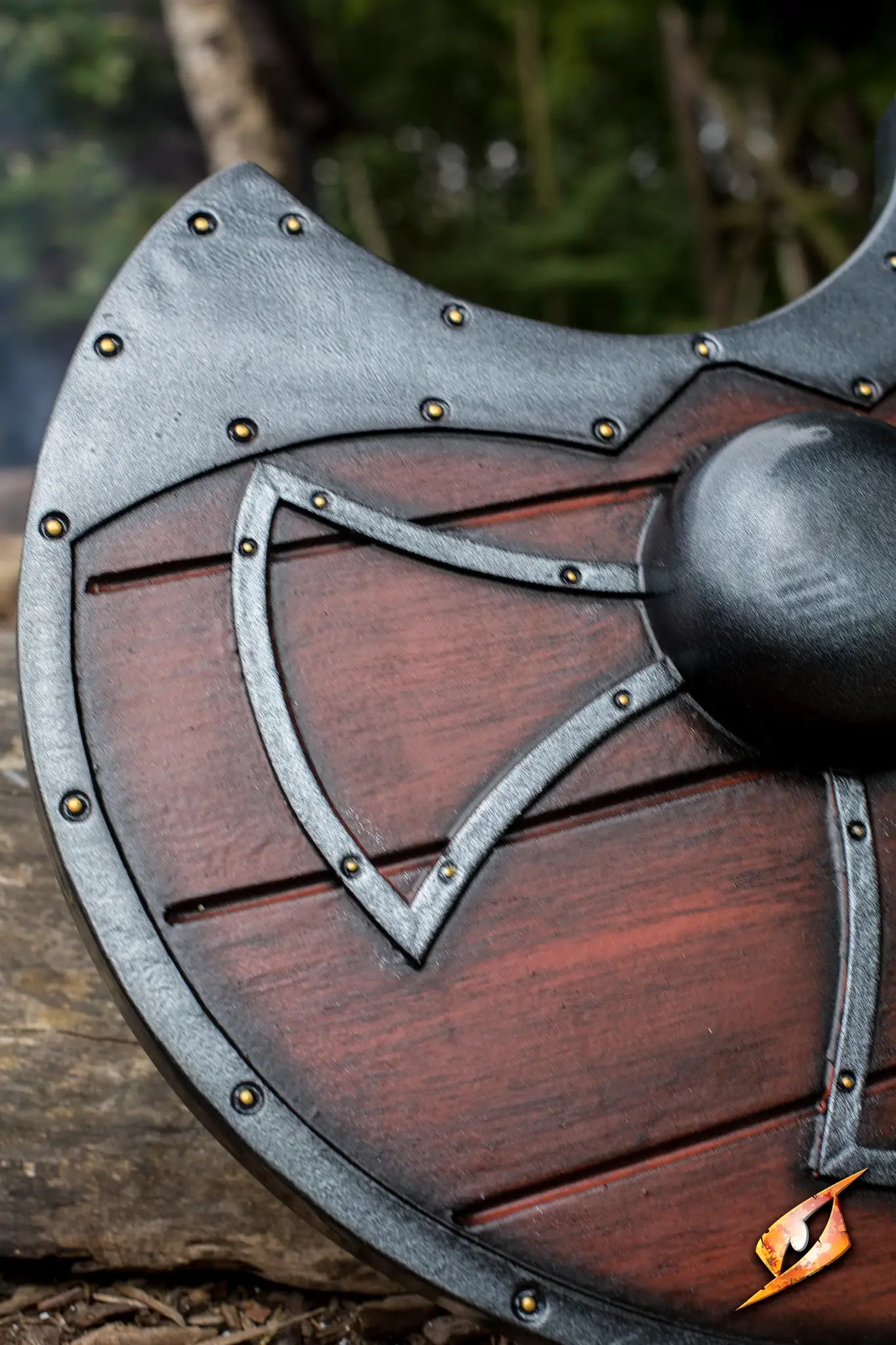
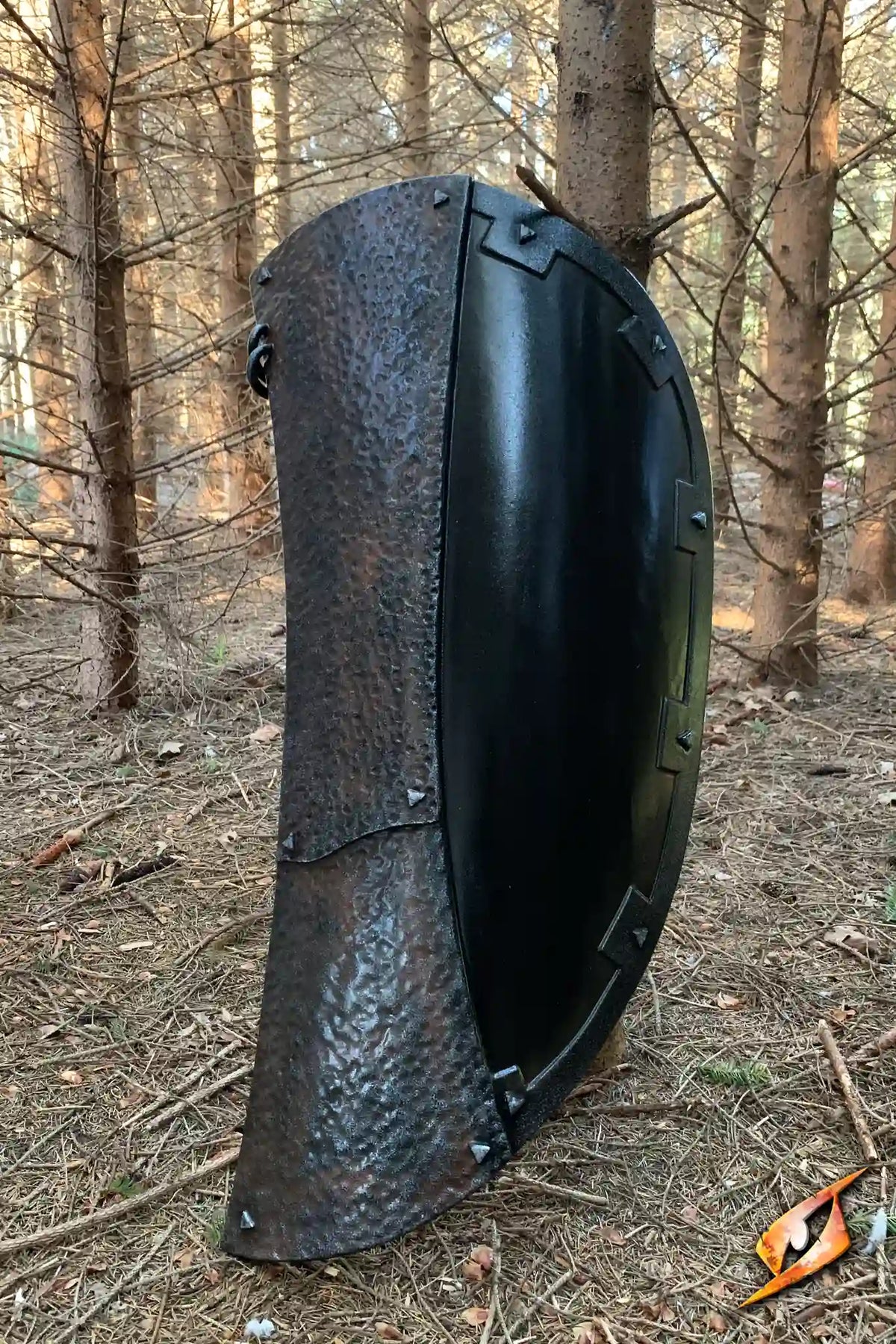
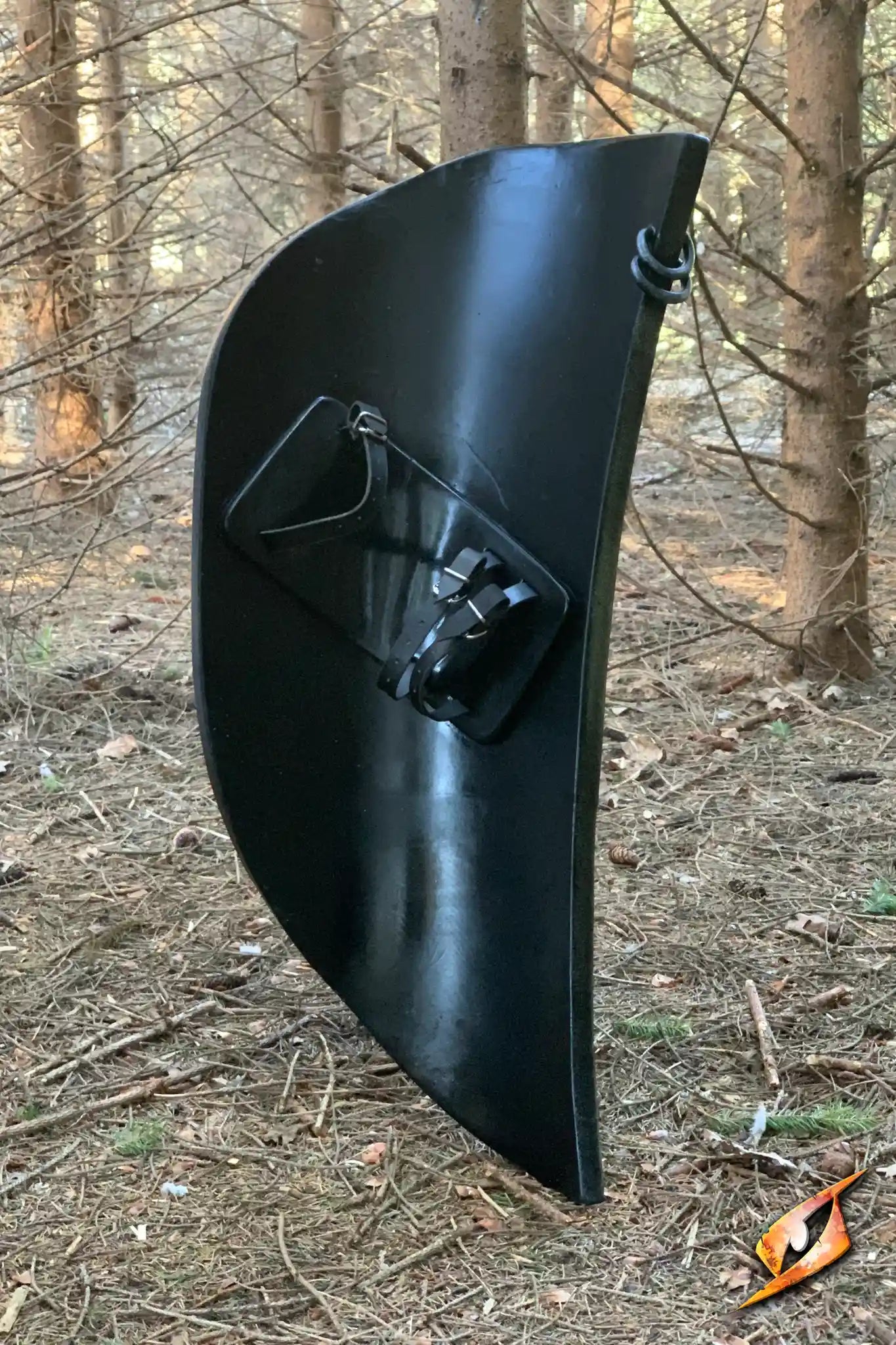
Nowadays, shield design keeps evolving - just in a different direction. Fantasy and LARP culture took the core shapes that history handed down (round, kite, buckler) and reimagined them for elves, orcs, and other characters, blending historical silhouettes with entirely new aesthetics.
Fantasy LARP SHields
Read more
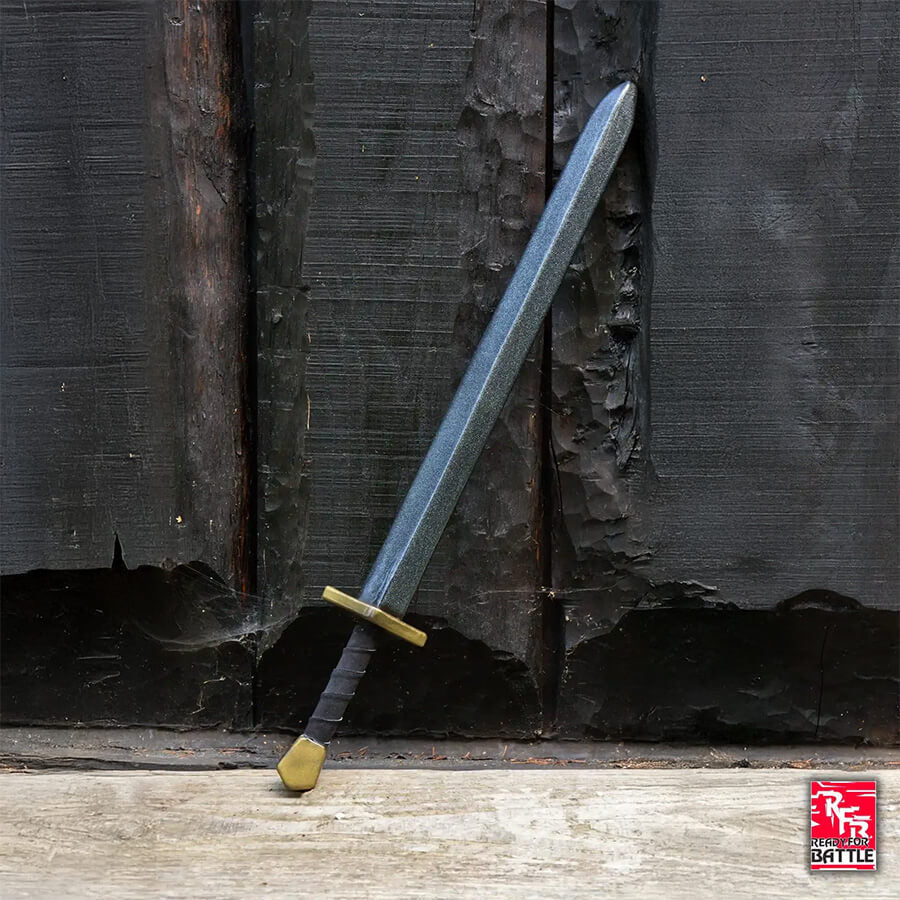
A Beginner's Guide to Your First LARP Sword
If your LARP involves combat, chances are you'll need a weapon. But not just any prop will do, LARP swords are built to be safe, sturdy, and fun to swing, so it's worth understanding the basics bef...
Read more