

Recently viewed products
What Should You Know About Medieval Armour Before Building Your Kit
Are you considering putting together a medieval armour kit? That’s super exiting, and perhaps a daunting task, knowing where to start? Maybe we can help to clarify the whole thing.
Medieval armour was pretty much a massive assortment of different protective gear that men wore during the Middle Ages. To be more precise, the range was covered by all kinds of things like quilted layers and chainmail which was very flexible, to leather that was even more reinforced and the splendid, slowly increasing use of plate from the 13th to the 15th centuries.
When you see the Middle Age protection that is available nowadays, it is basically the designs that were formed by the actual needs of the time: things like movement, clever weight distribution, money, and the constantly changing battlefield threats of each era.
This site is your straightforward, reasonable guide to medieval armour. You will understand from the simple breakdown how the main components functioned, the changes of styles over time, and how to apply these concepts to selecting the right armour for your LARP, cosplay, fair, or reenactment kit.
How Does Medieval Armour Fit Together
Protection in the Middle Ages is built as a layered system shaped by need, skill, and wealth. Fighters rely on padding for shock absorption, mail for wide flexible coverage, and later metal plates for strong reinforcement. Early centuries depend almost entirely on padding and rings, while later periods add shaped metal for the torso, arms, and legs. Each layer fills a gap left by another, which is why the system stays effective for so many centuries.
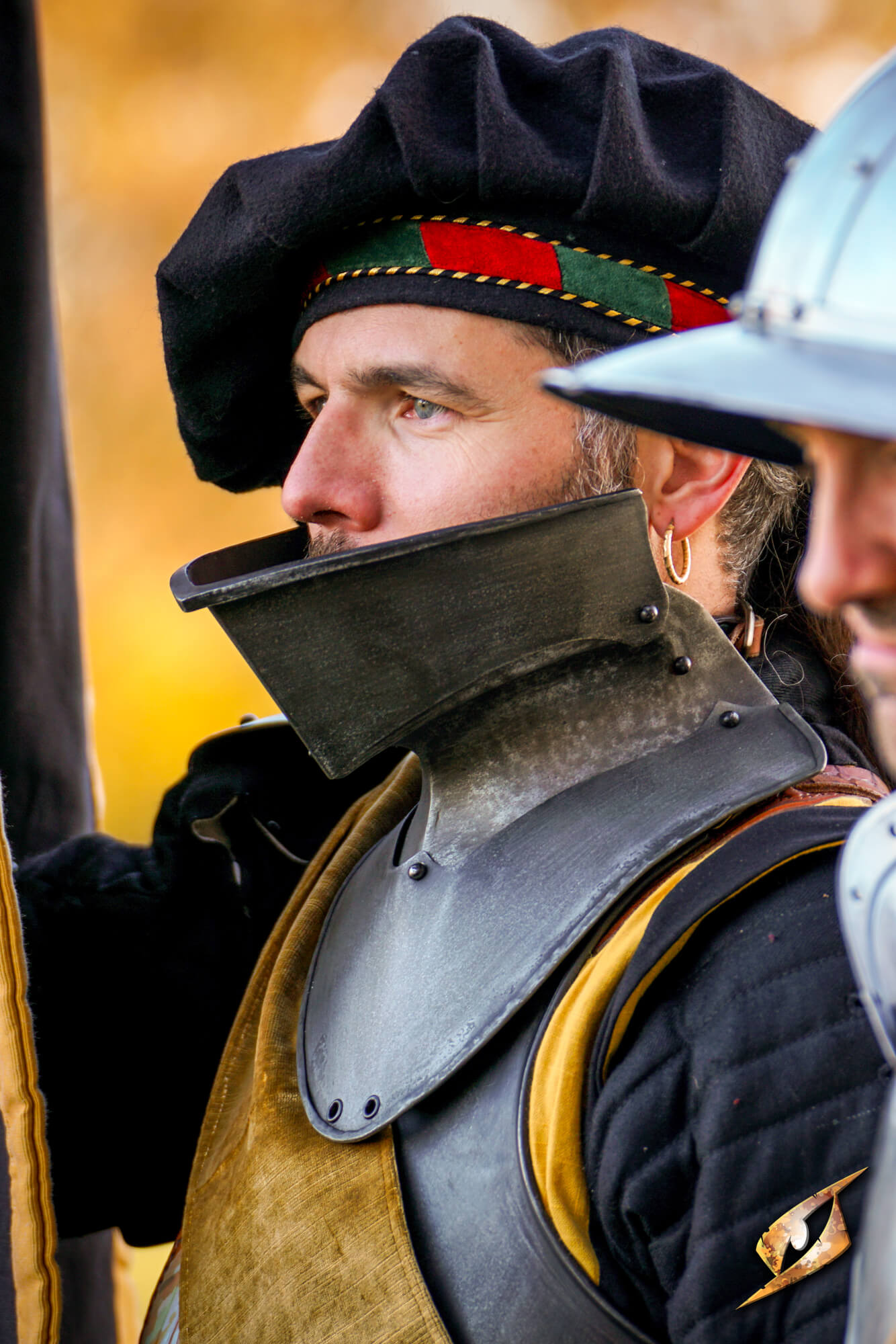
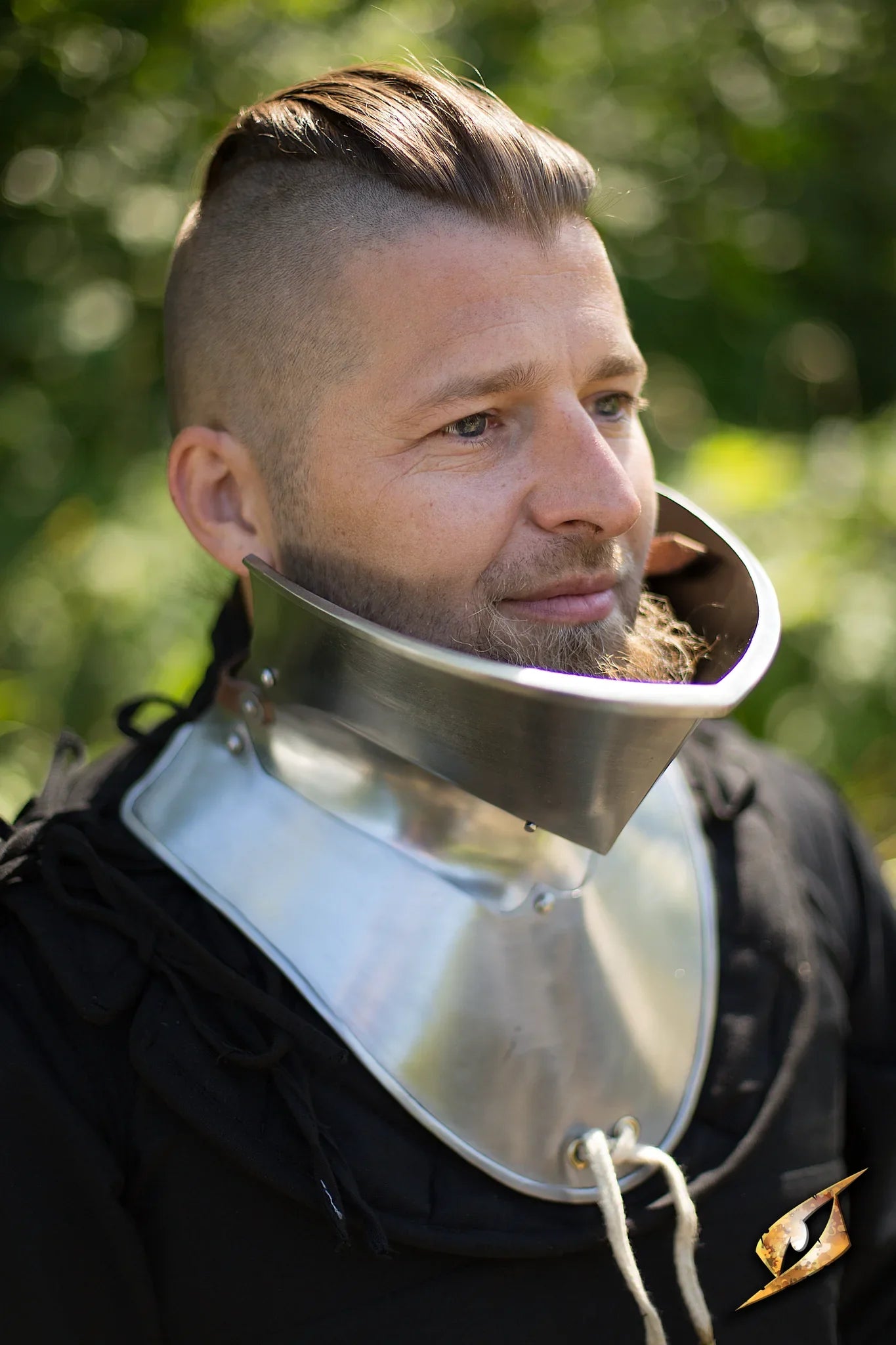
Plate arrives later. Once metalworkers learn to shape larger pieces, armour takes on a new form. A solid breastplate, shaped limb protection, and reinforced joints appear. Mail does not disappear. It shifts into a supporting role and covers the flexible zones plate cannot reach, such as the throat, underarms, hips, and backs of the legs.
Social class also shapes what people wear. Wealthy nobles build full systems with mail, rigid protection for the torso, shaped arm and leg pieces, strong gauntlets, and detailed surface work. Poorer knights rely on what they can buy or inherit. Some wear a single breastplate over older mail. Others use a mix of simple plate, padded layers, and secondhand gear. Many men-at-arms use partial sets that focus on the chest, head, and hands.
At the bottom of the structure, peasants rely on heavy textile protection. Thick padding made from many layers of linen or wool works as their main defence. Some add a helmet if they have one. This kind of equipment is common for anyone without the funds for metalwork.
Across all classes, the system stays the same. You start with padded protection, add mail for flexible coverage, and place rigid pieces where you want the strongest defence. The balance changes by century and by budget, but the logic remains clear. You strengthen the torso first, then the arms and legs, and finish with smaller plates that guard weak points. This approach lets you move, breathe, and fight without leaving the most important areas exposed.
Armour in the Medieval Ages
The Medieval Times (or Middle Ages) were a time that lasted about one thousand years and extended from the 5th century to the 15th century. This long period was after the fall of the Western Roman Empire and before the Renaissance. This is a time which is generally described as being dominated by the church, the development of the feudal system and wars that were going on all the time, whether they were small fights or large military operations such as the Crusades.
What Defines Early Medieval Armour (5th to 10th Century)
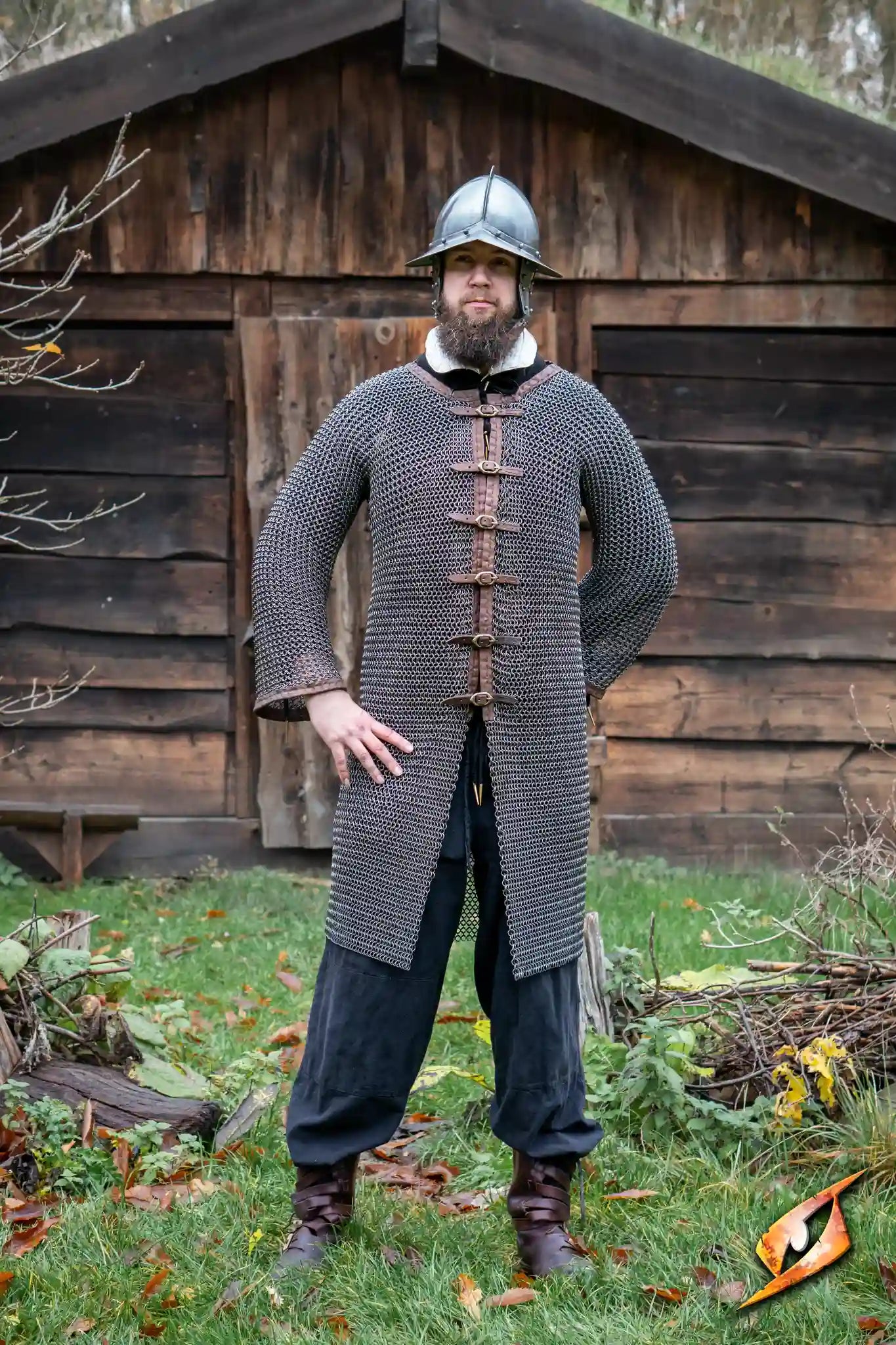
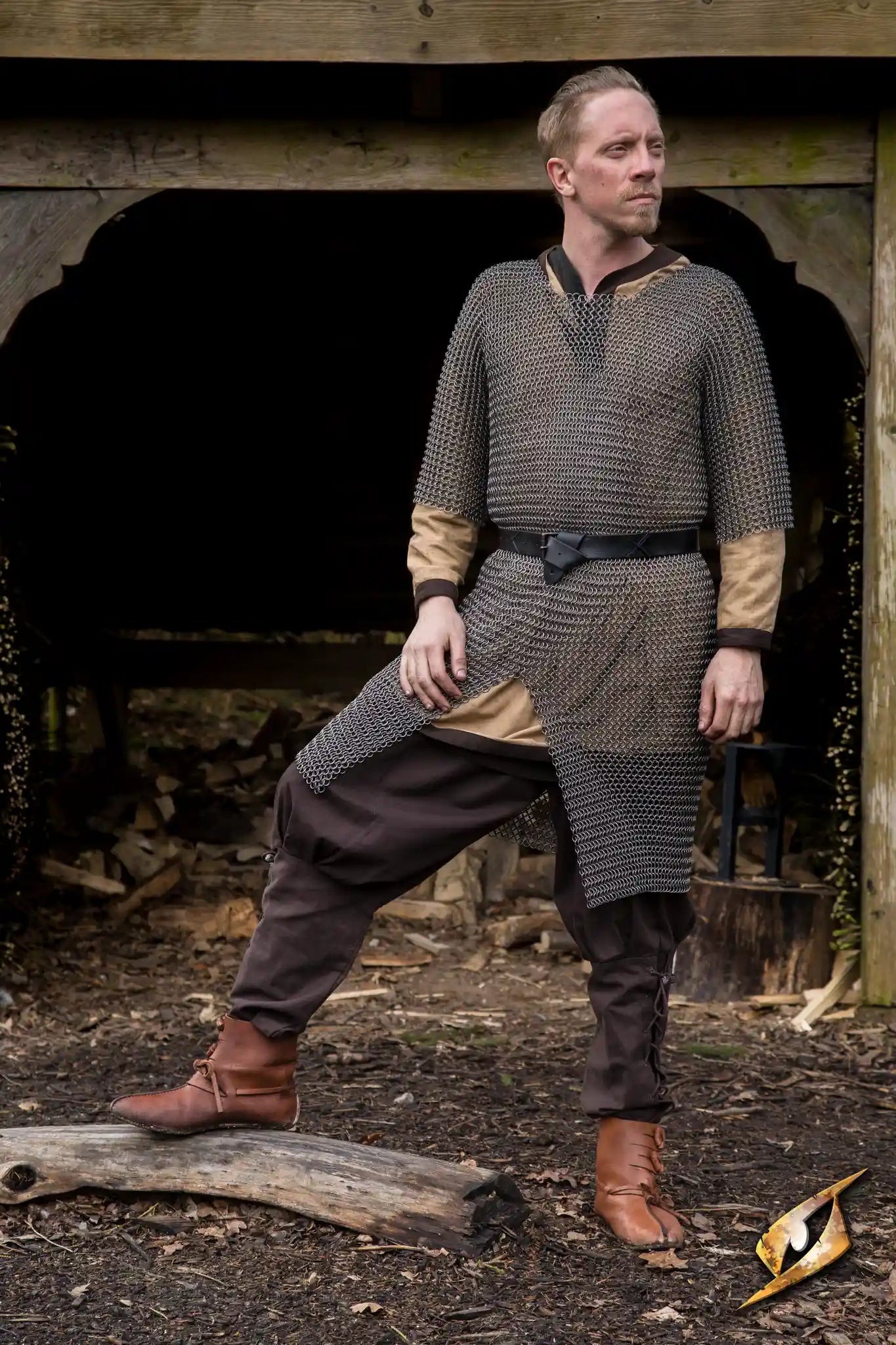
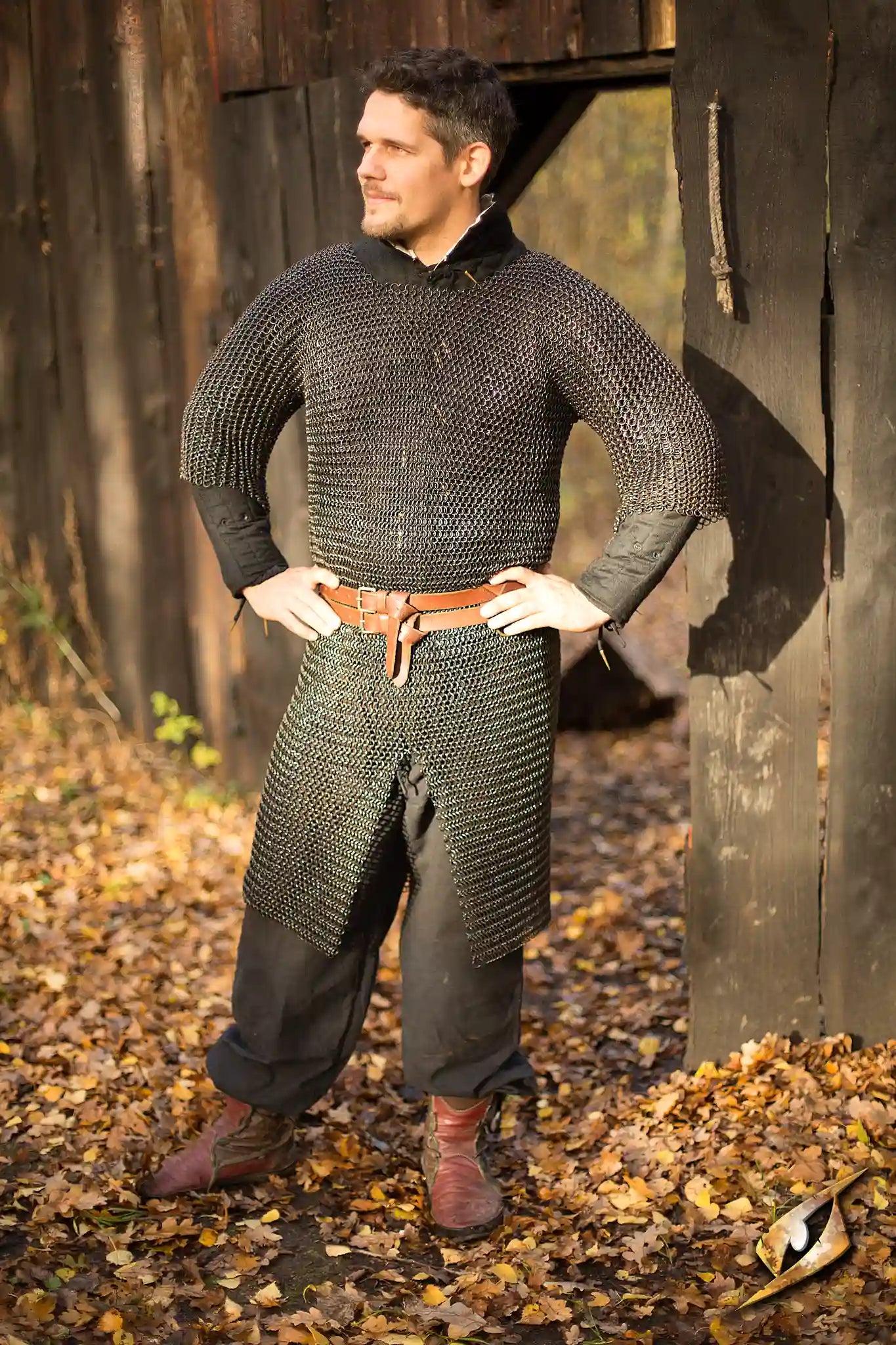
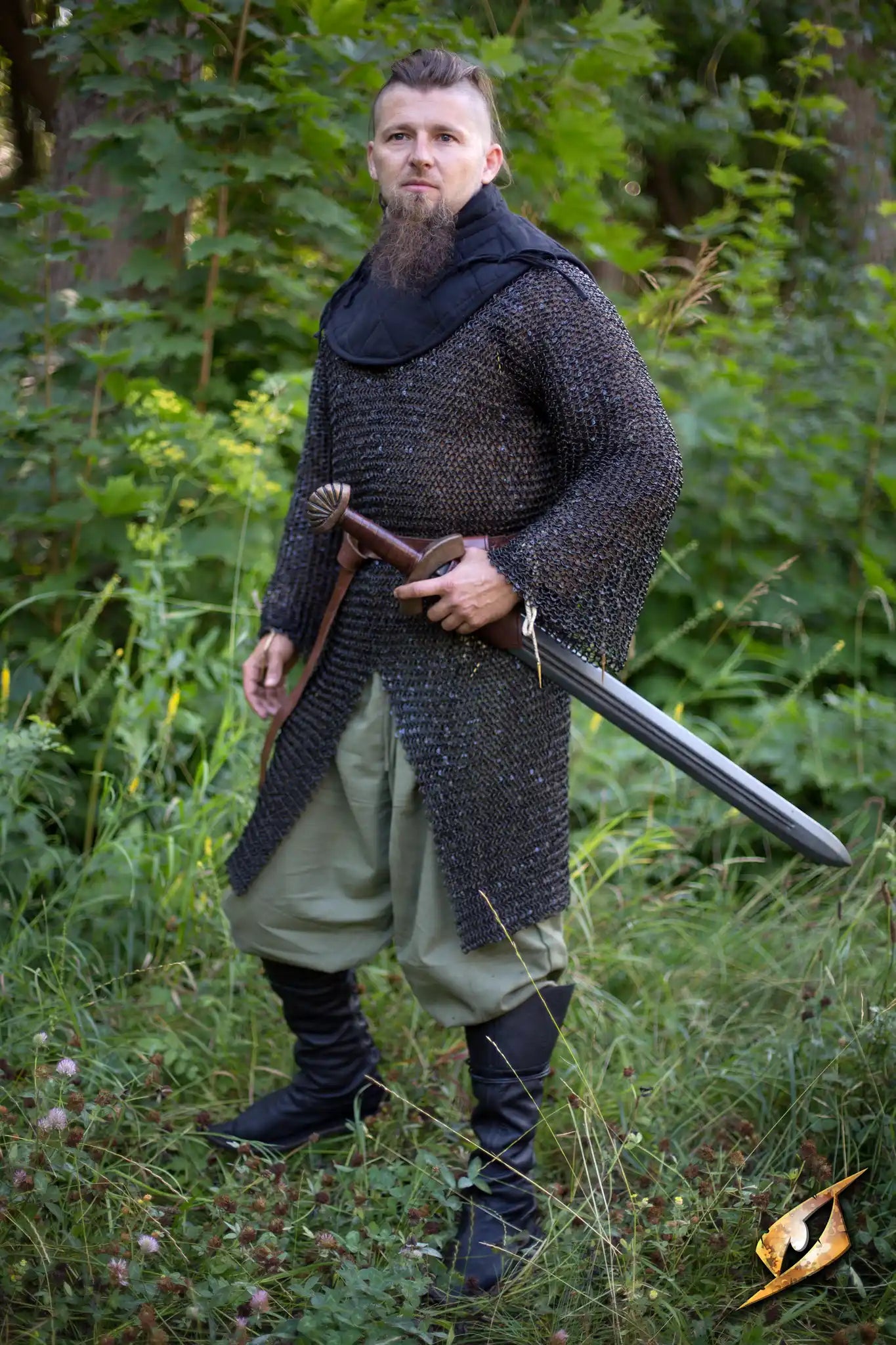
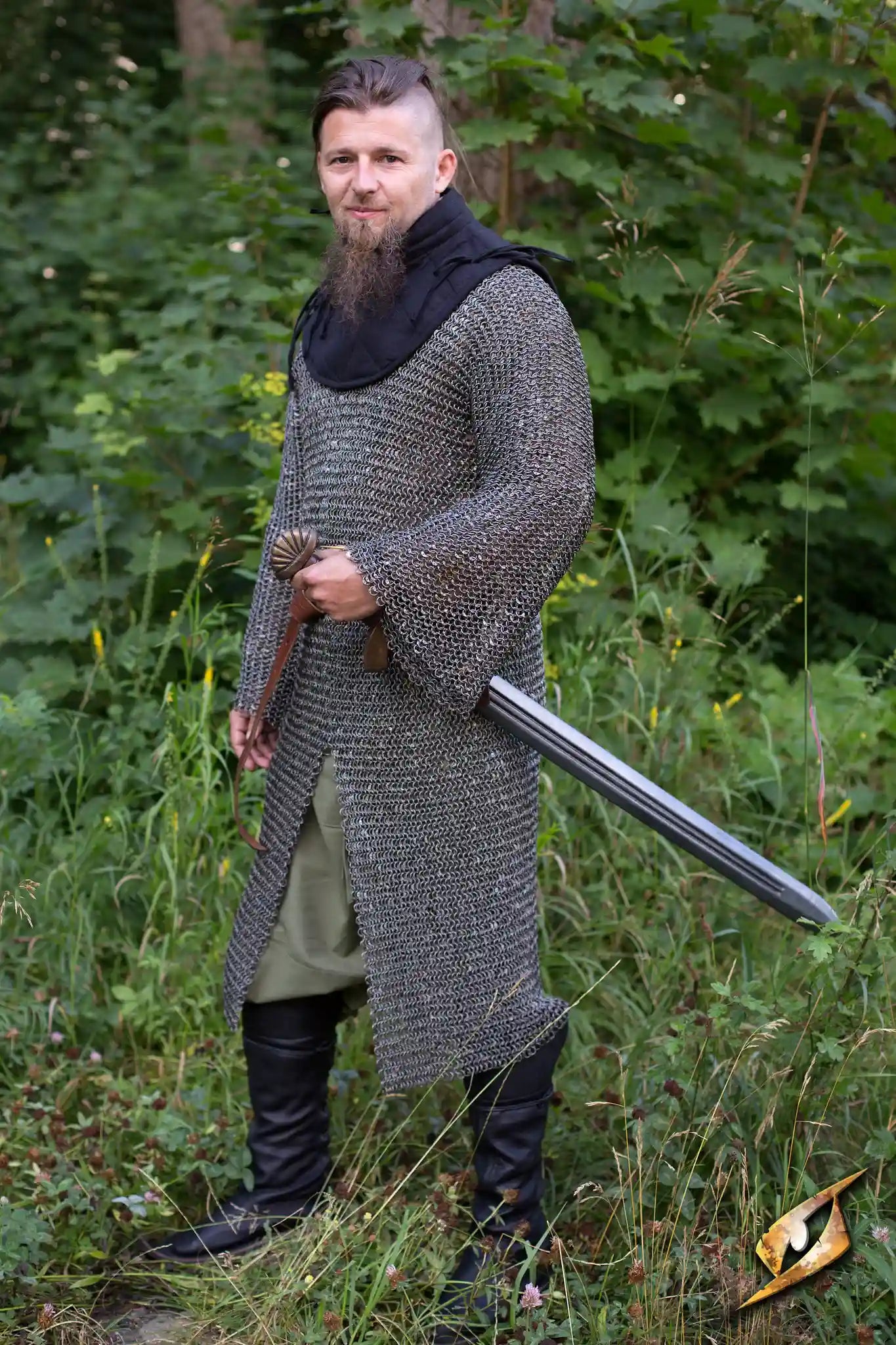
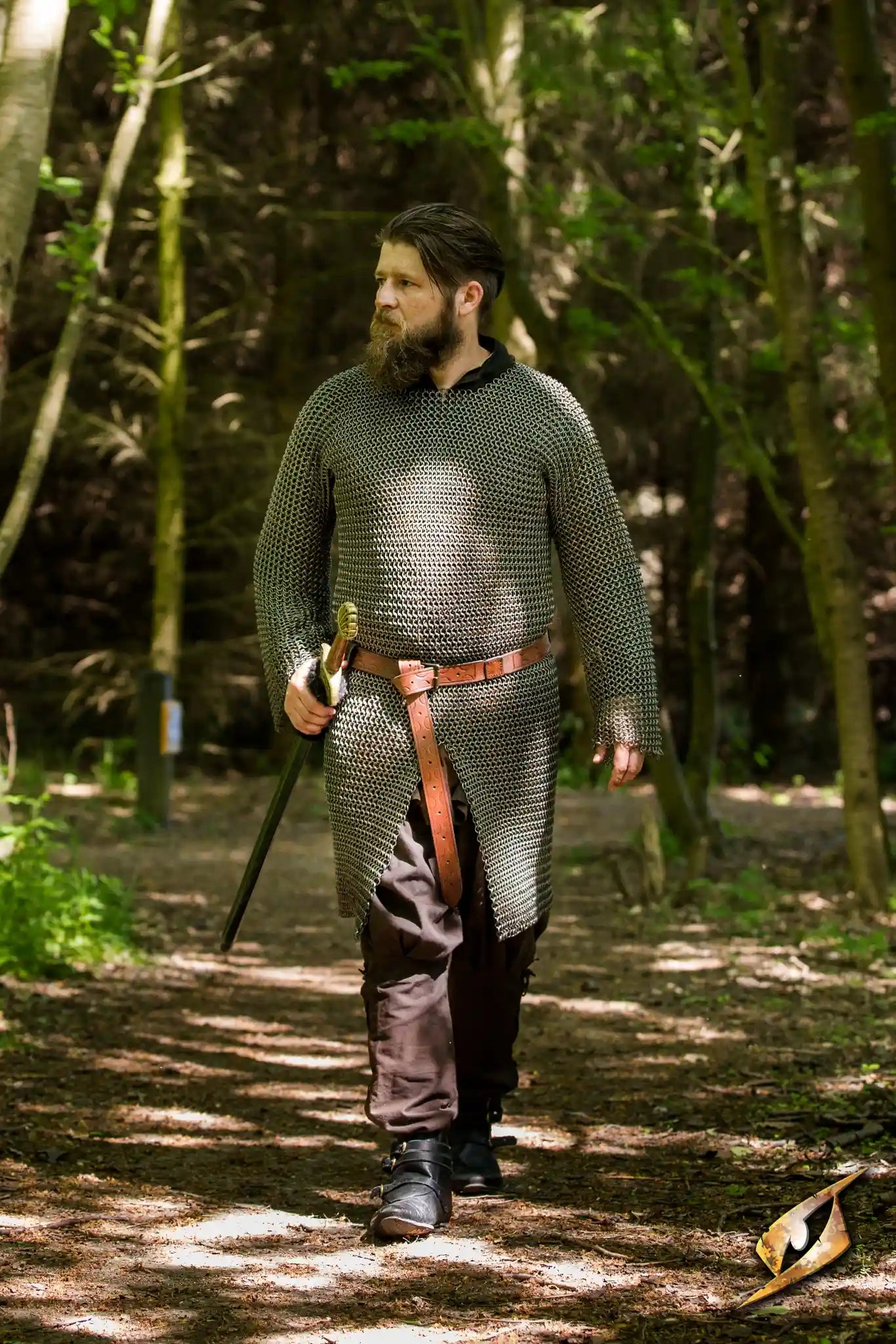
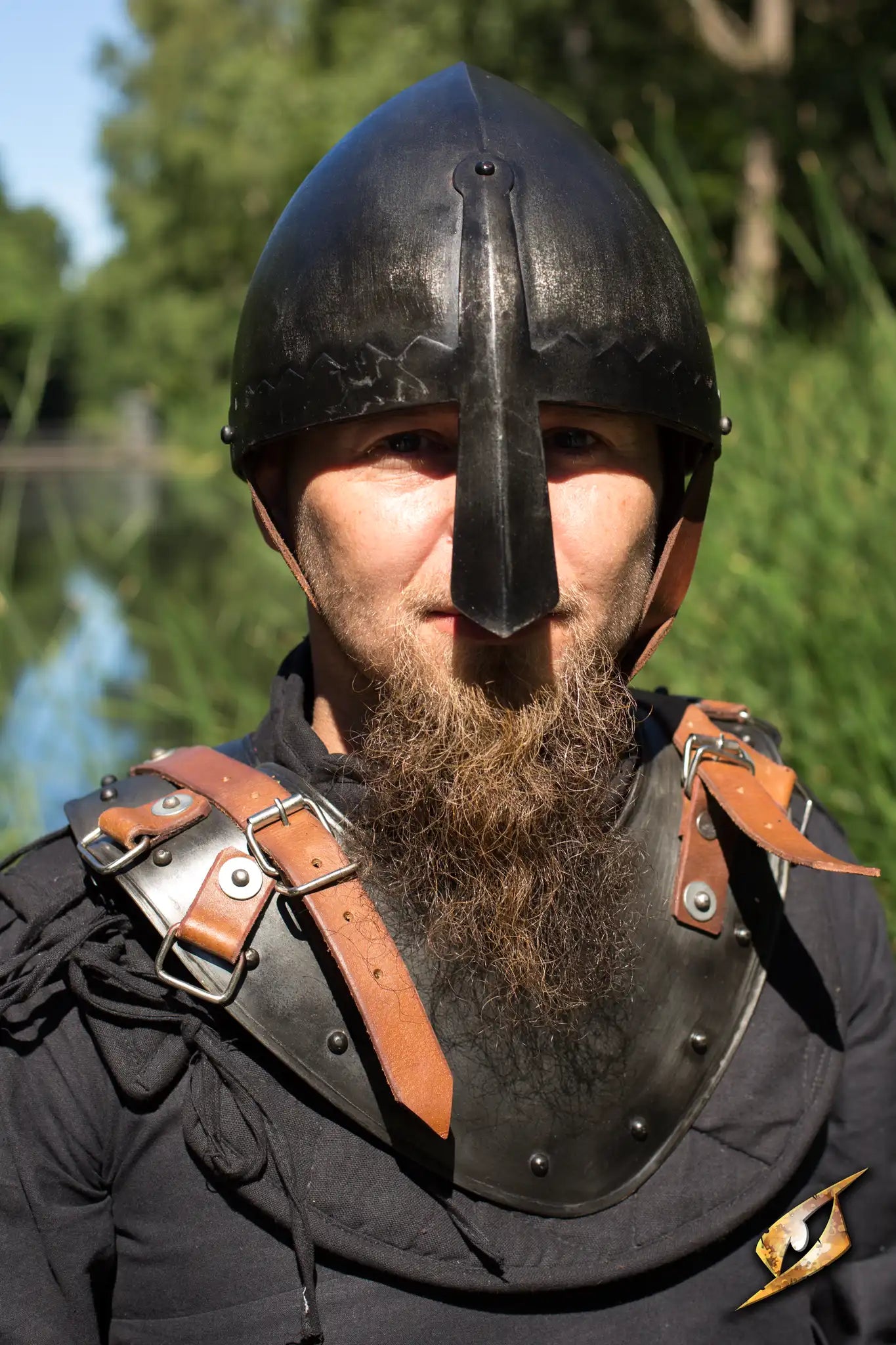
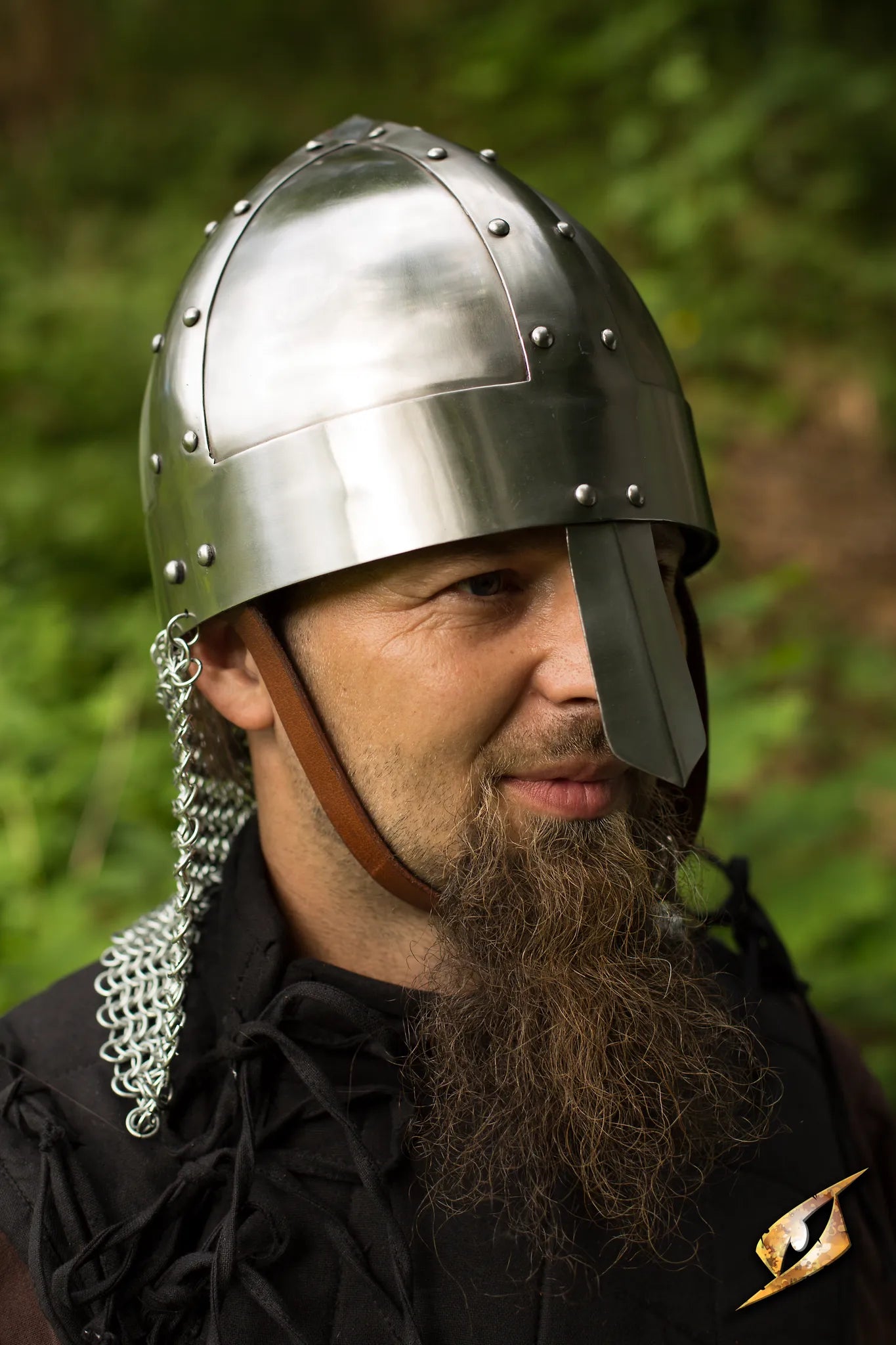
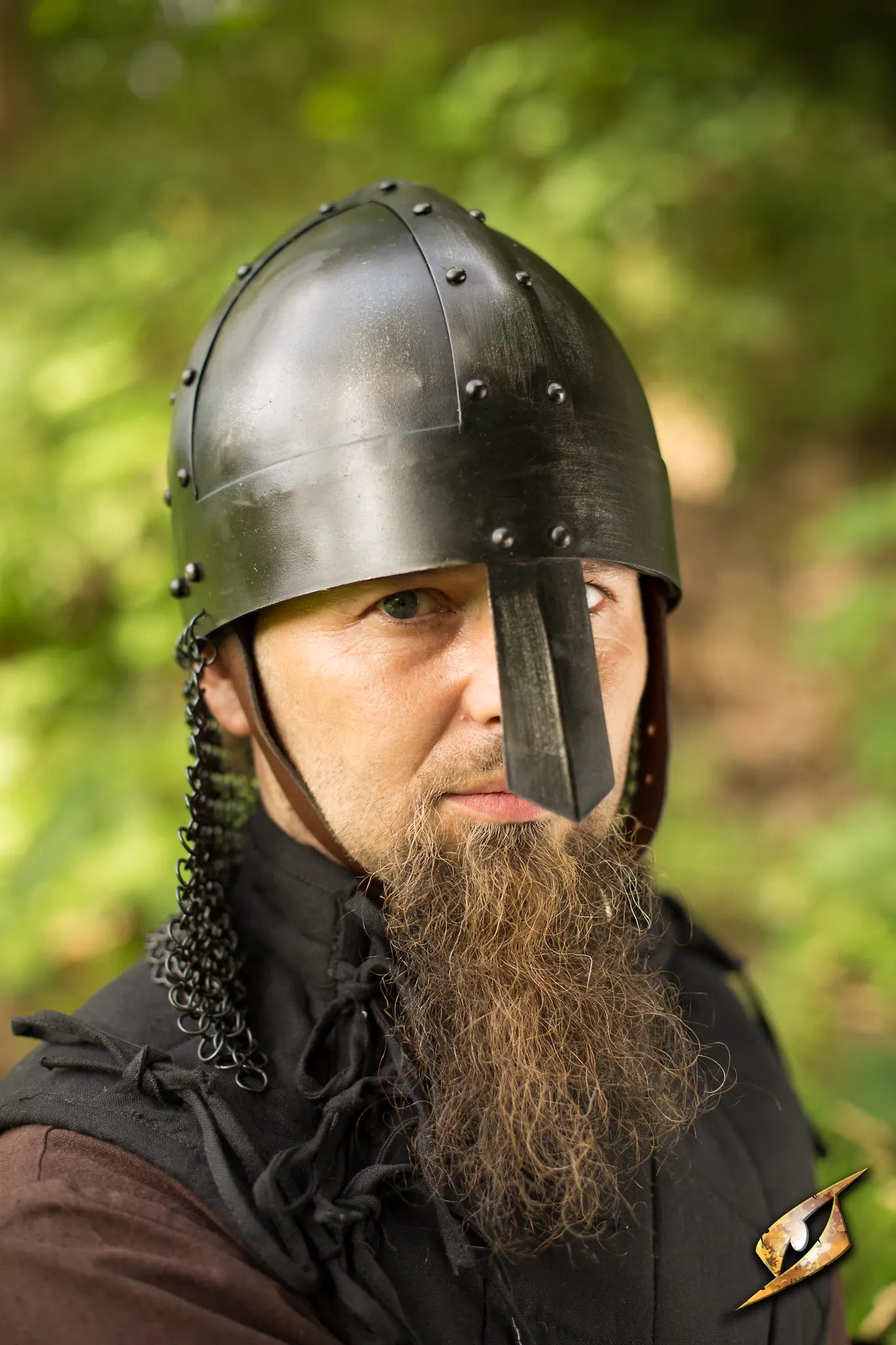
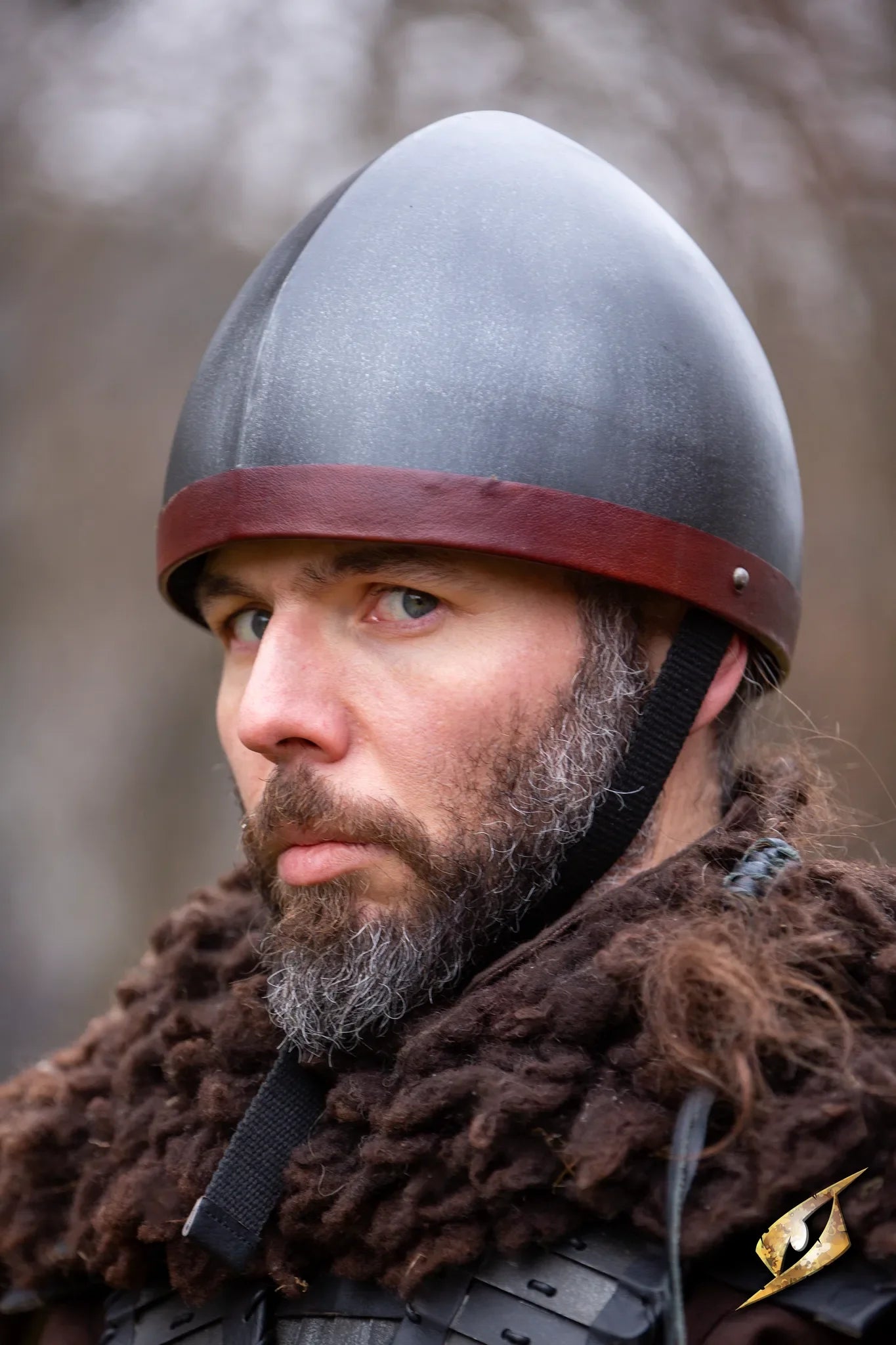
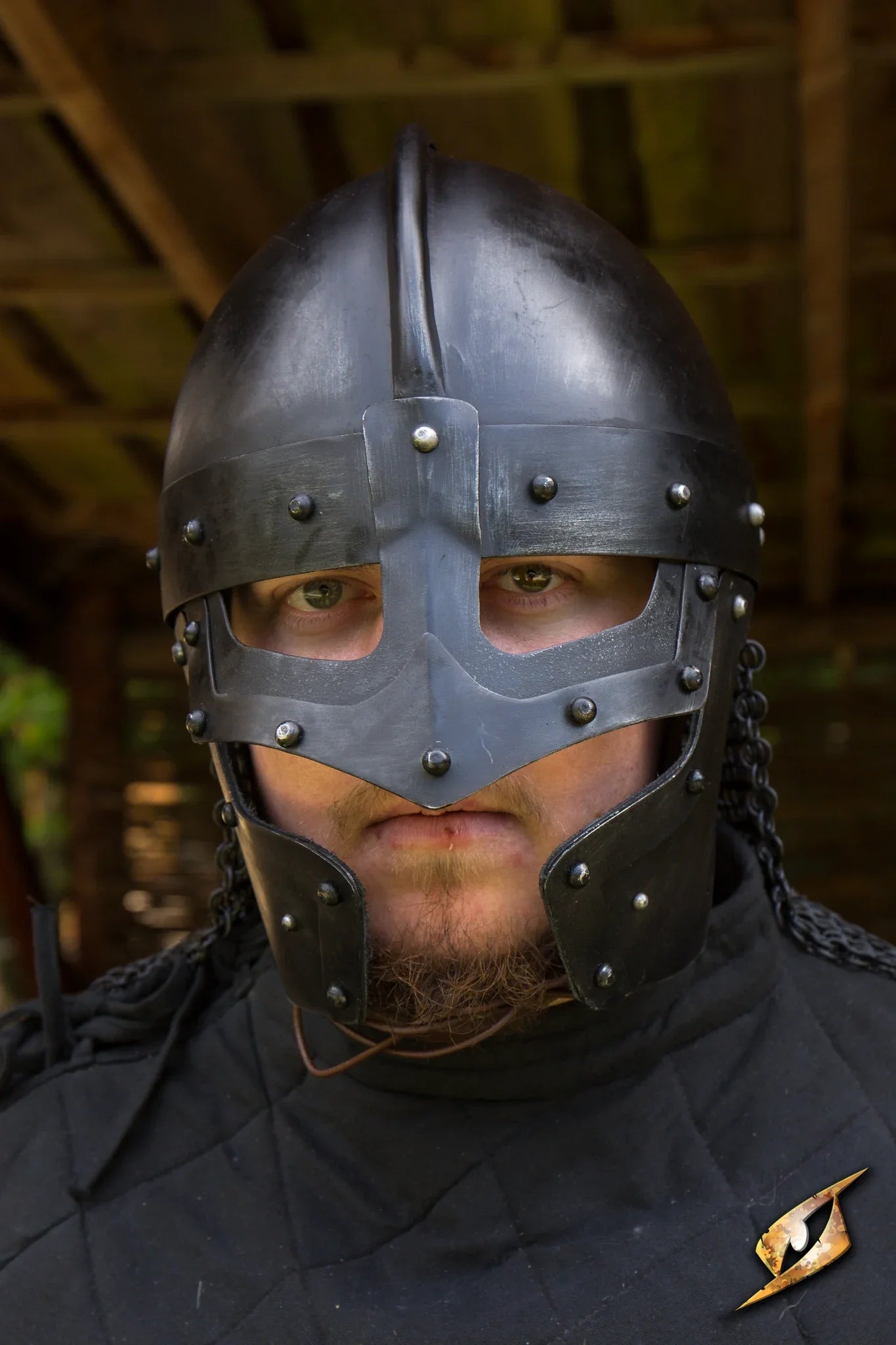
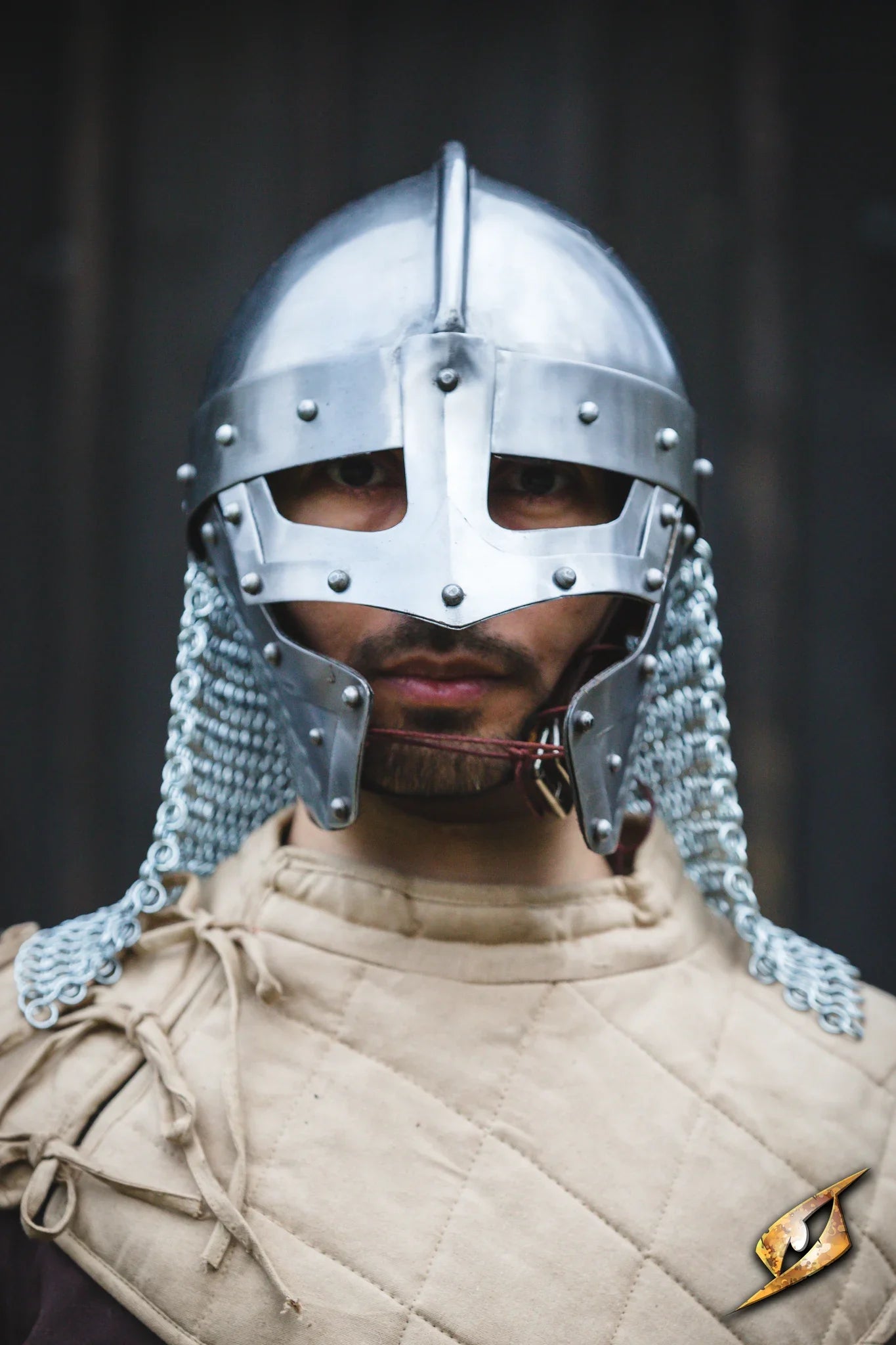
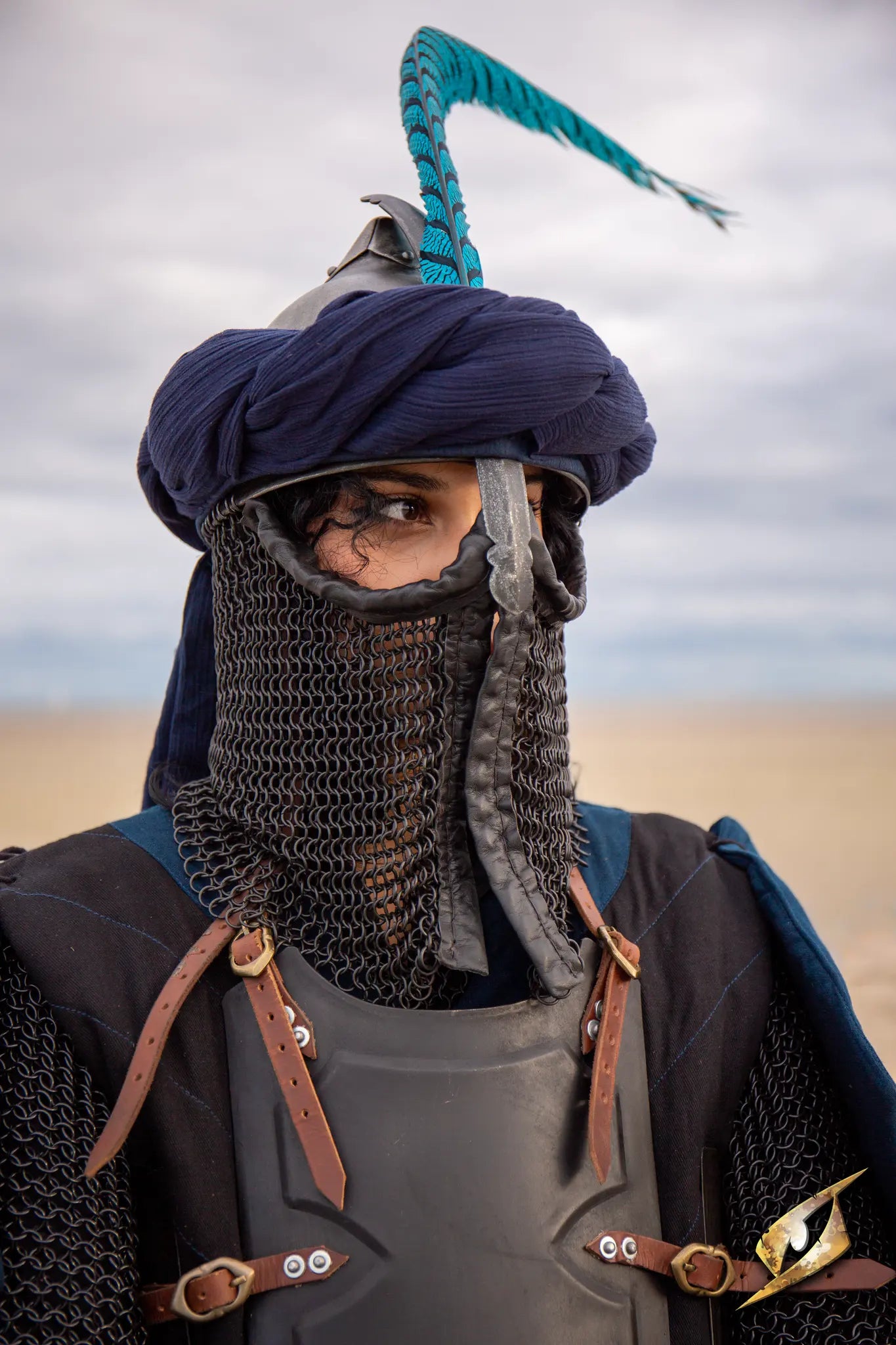
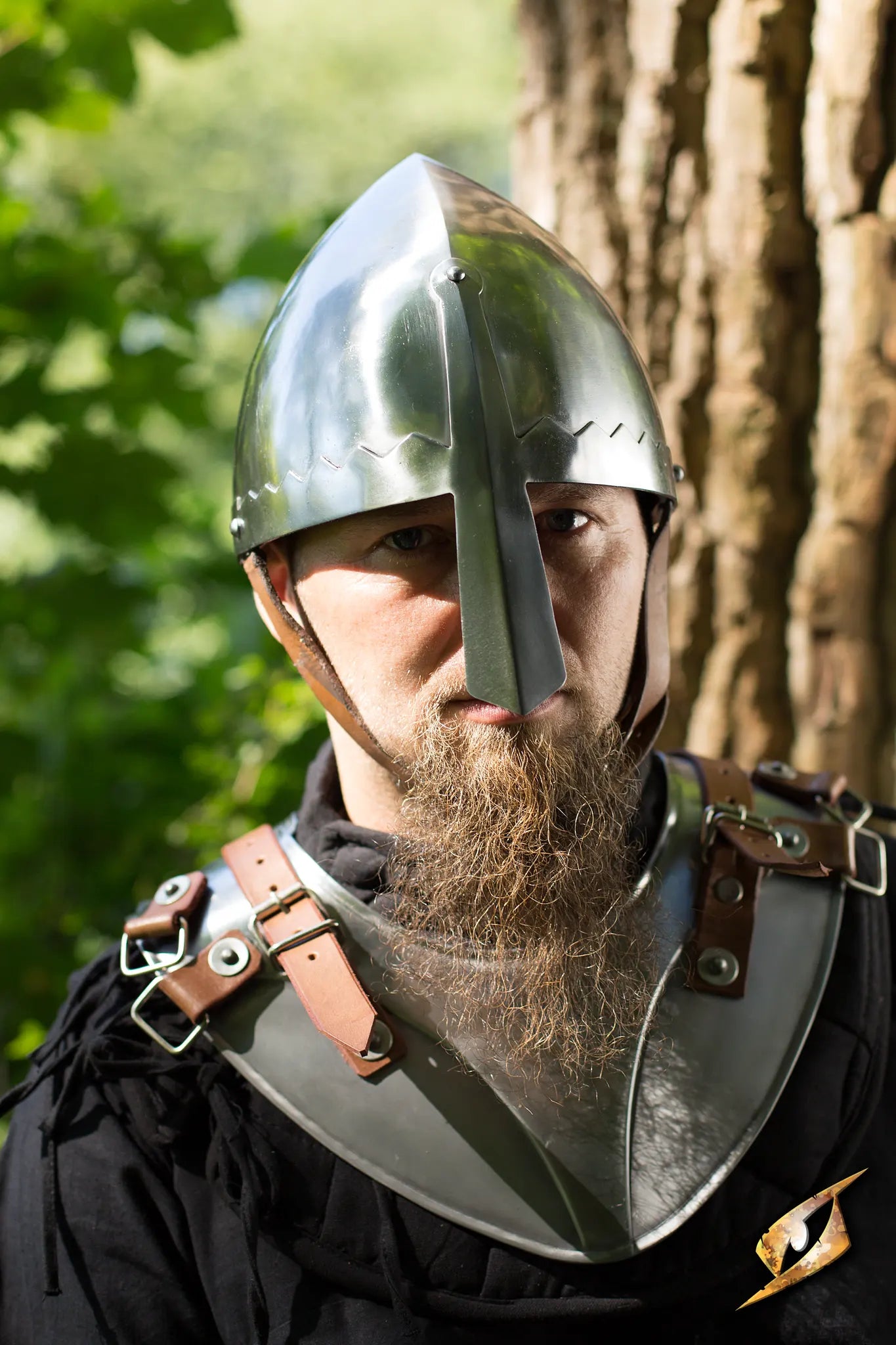
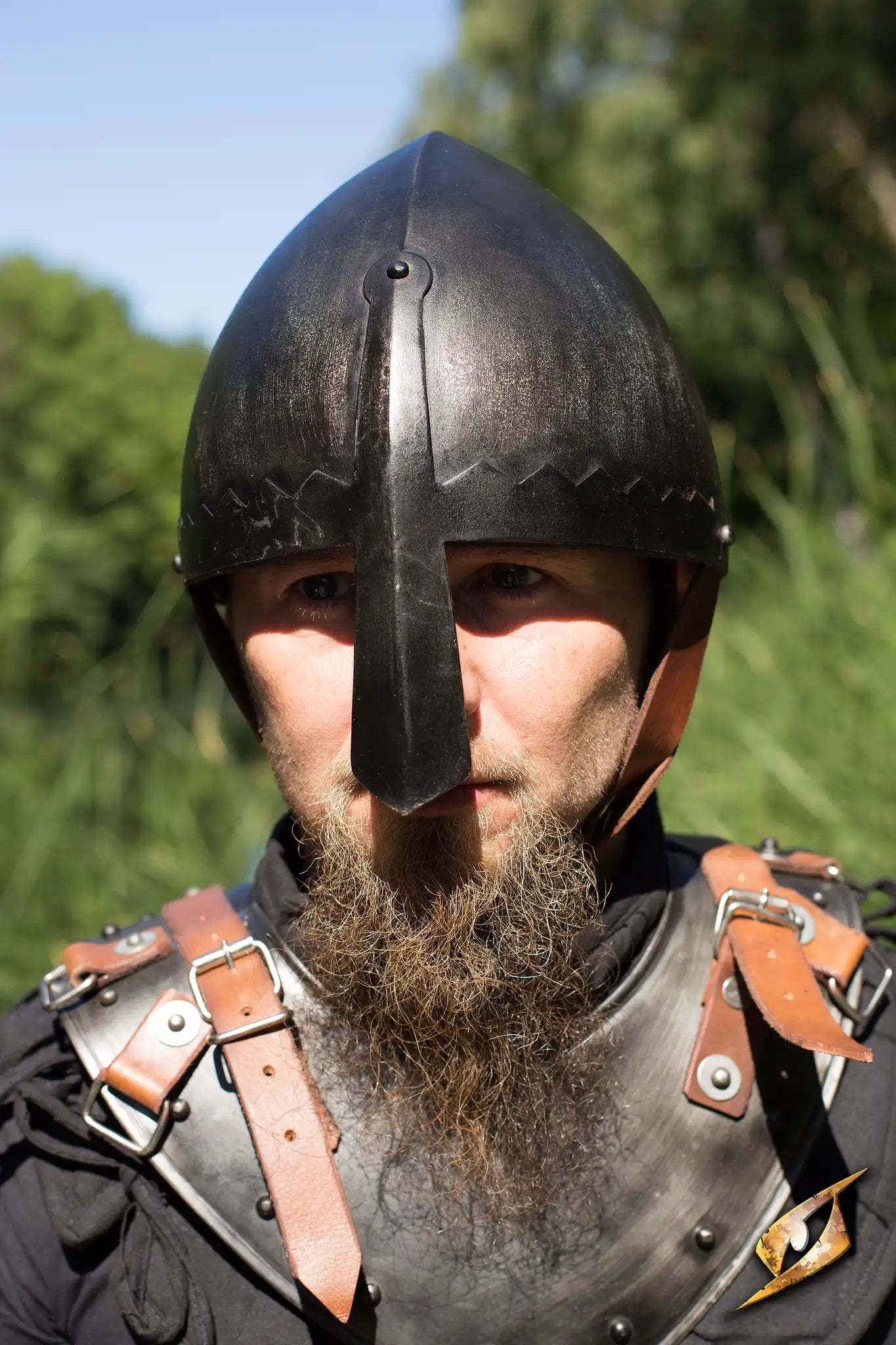
Early medieval armour is all about practical coverage using the best materials available. Mail is the strongest defense, usually worn as a loose, knee-length shirt called a hauberk, covering the torso and sometimes the arms. A padded layer goes underneath to ease strain on the shoulders. Helmets are simple, often with a face guard to protect the nose. Fighters rely on large, round wooden shields (often with an iron central boss) to cover areas the mail can’t reach. This era gives you a clean, straightforward look. You see simple lines and equipment shaped by necessity, not fashion. Early medieval kits are a wonderful match if you want a realistic and easy to look after outfit.
How Armour Changes in the High Middle Ages (11th to 12th Century).
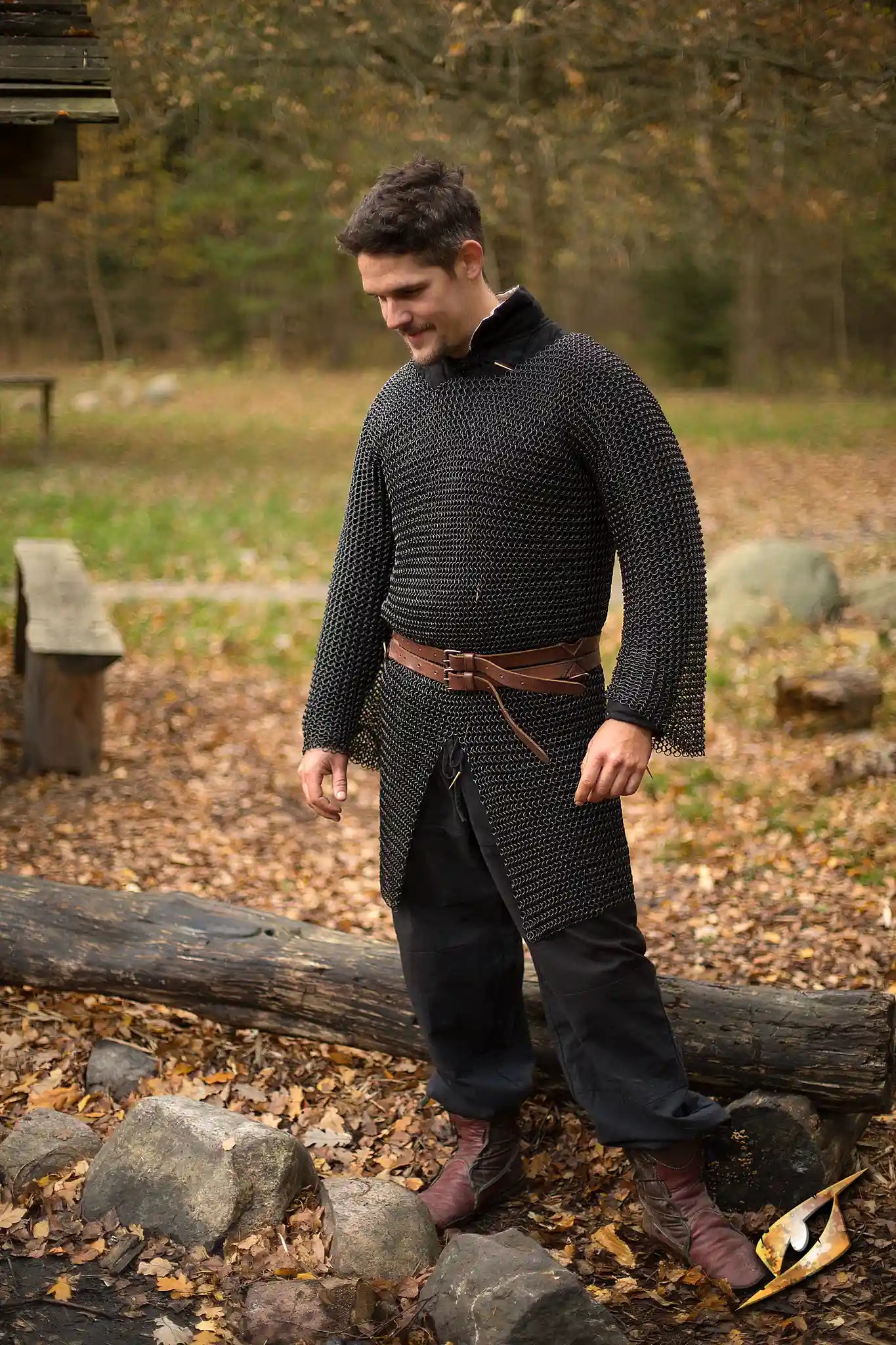
Mail started covering more of the body, including full-length sleeves and leggings called chausses. Coifs protected the head and neck. Gambesons improved, becoming more closely fitted with better paneling. You also start seeing surcoats—outer layers used to protect the expensive mail from sun, rain, and rust.
Shields transitioned from round to the iconic kite shape. These longer shields were vital for cavalry, helping them protect their legs and side while mounted. Armour from this era gives you a richly layered silhouette with long outer garments, hanging mail, and reliable padding underneath.
When Did Plate Armour Truly Take Over?
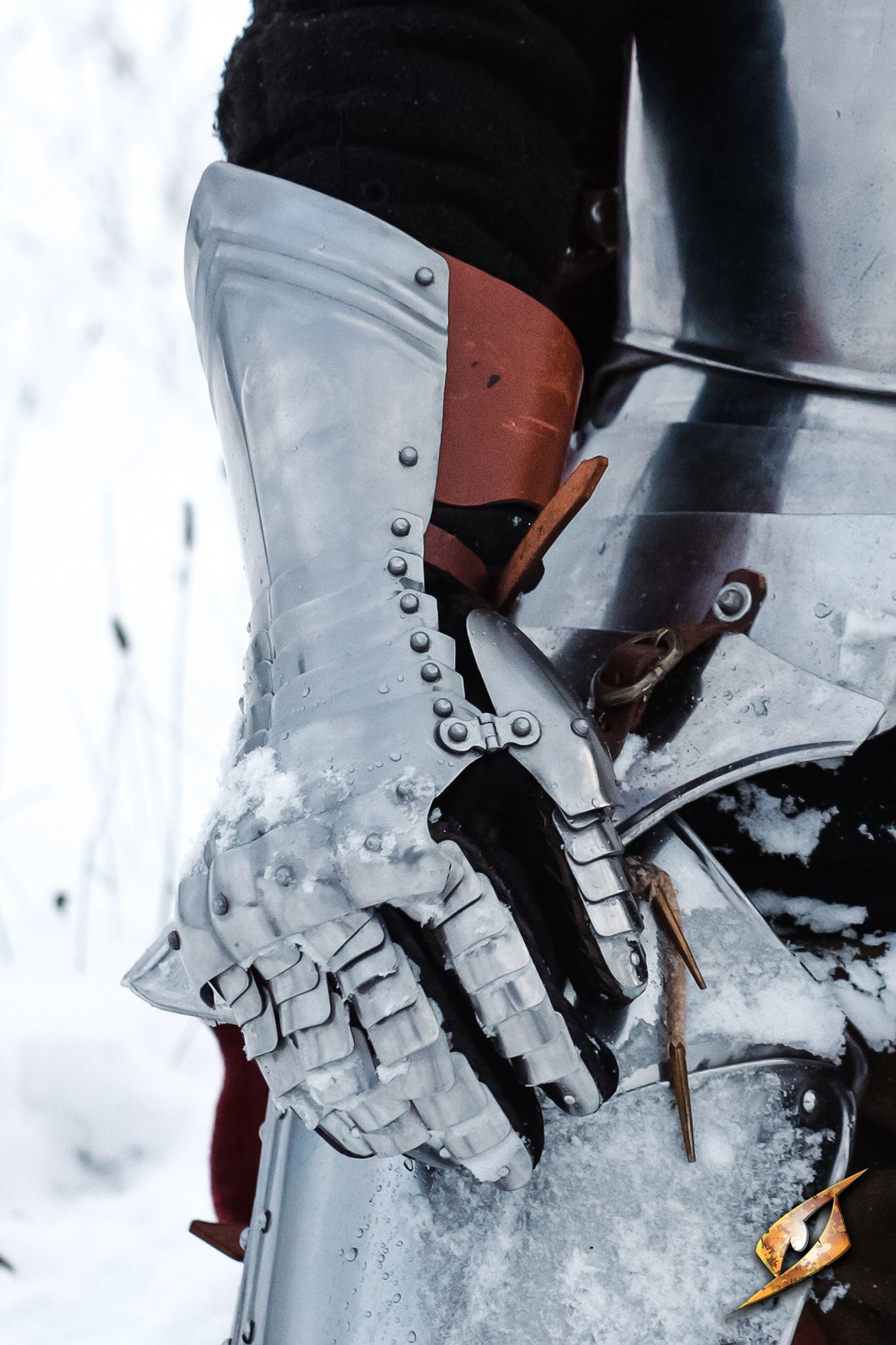
In the 13th century, the development of plate armour was gradual and it reached its peak in the 14th and 15th centuries. Initially, it might have been just a single metal plate made the chest area more secure or the knees more supporting. But as metalworkers perfected shaping methods, larger and more fitted pieces appeared.
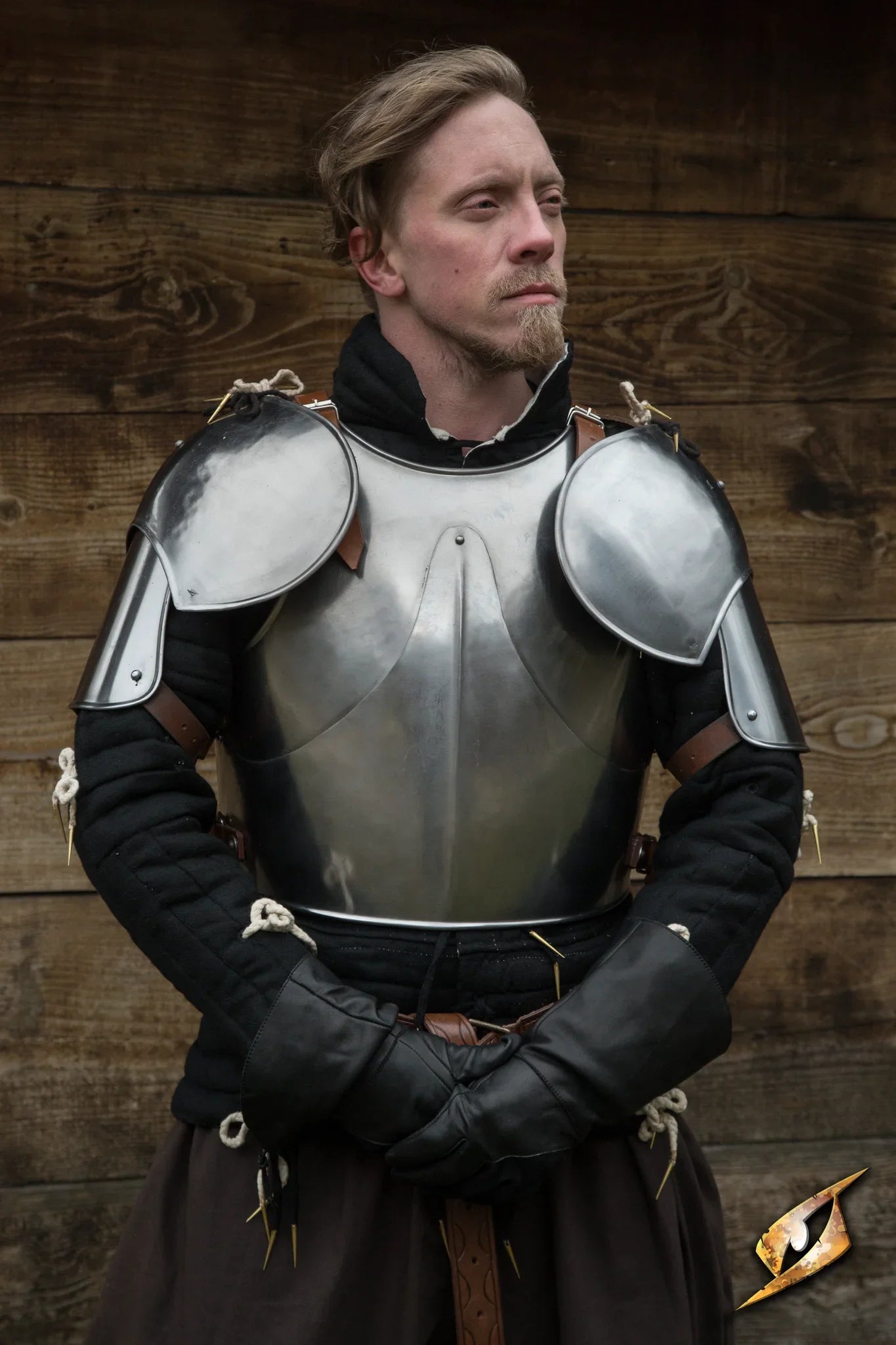
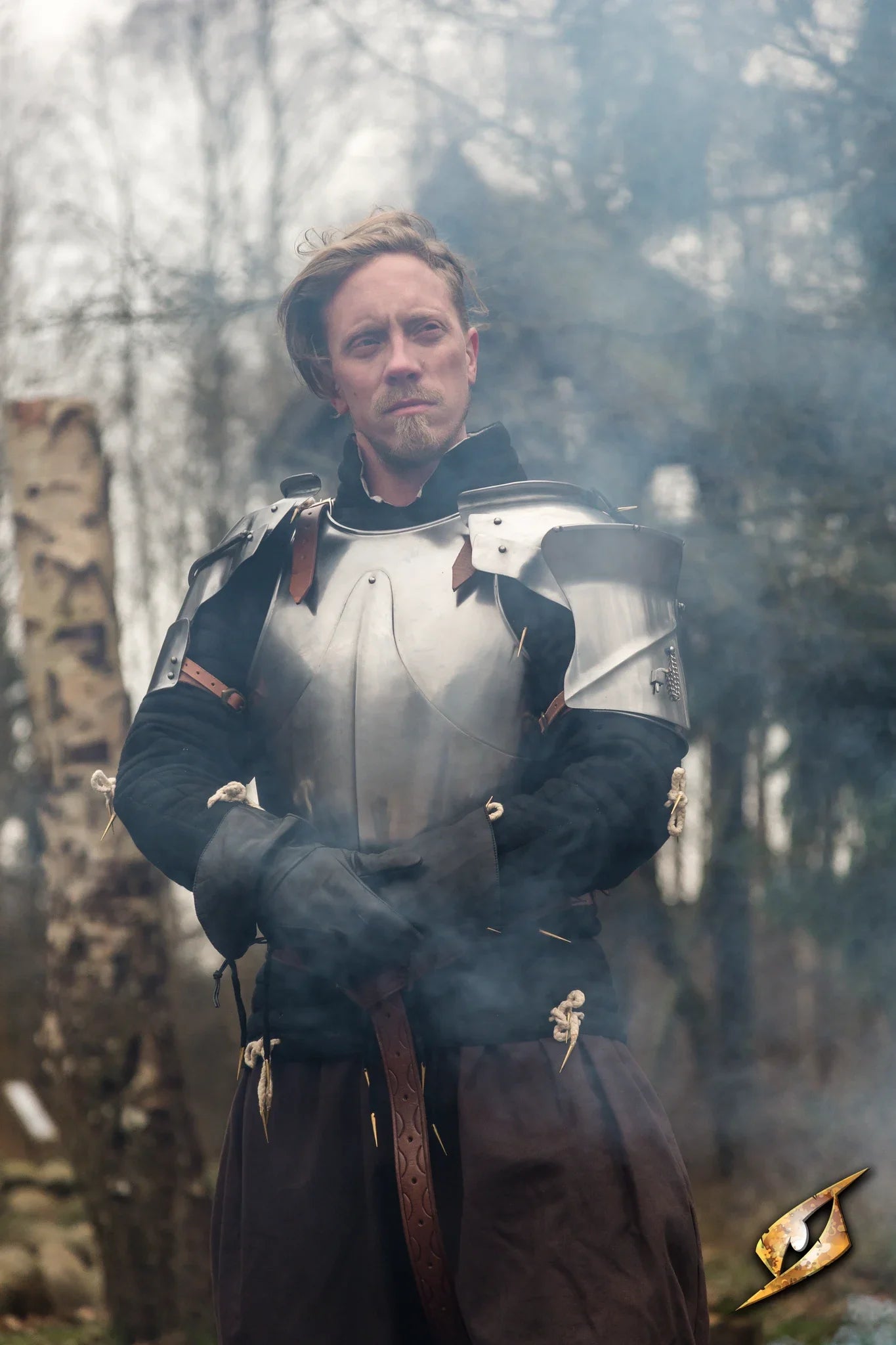
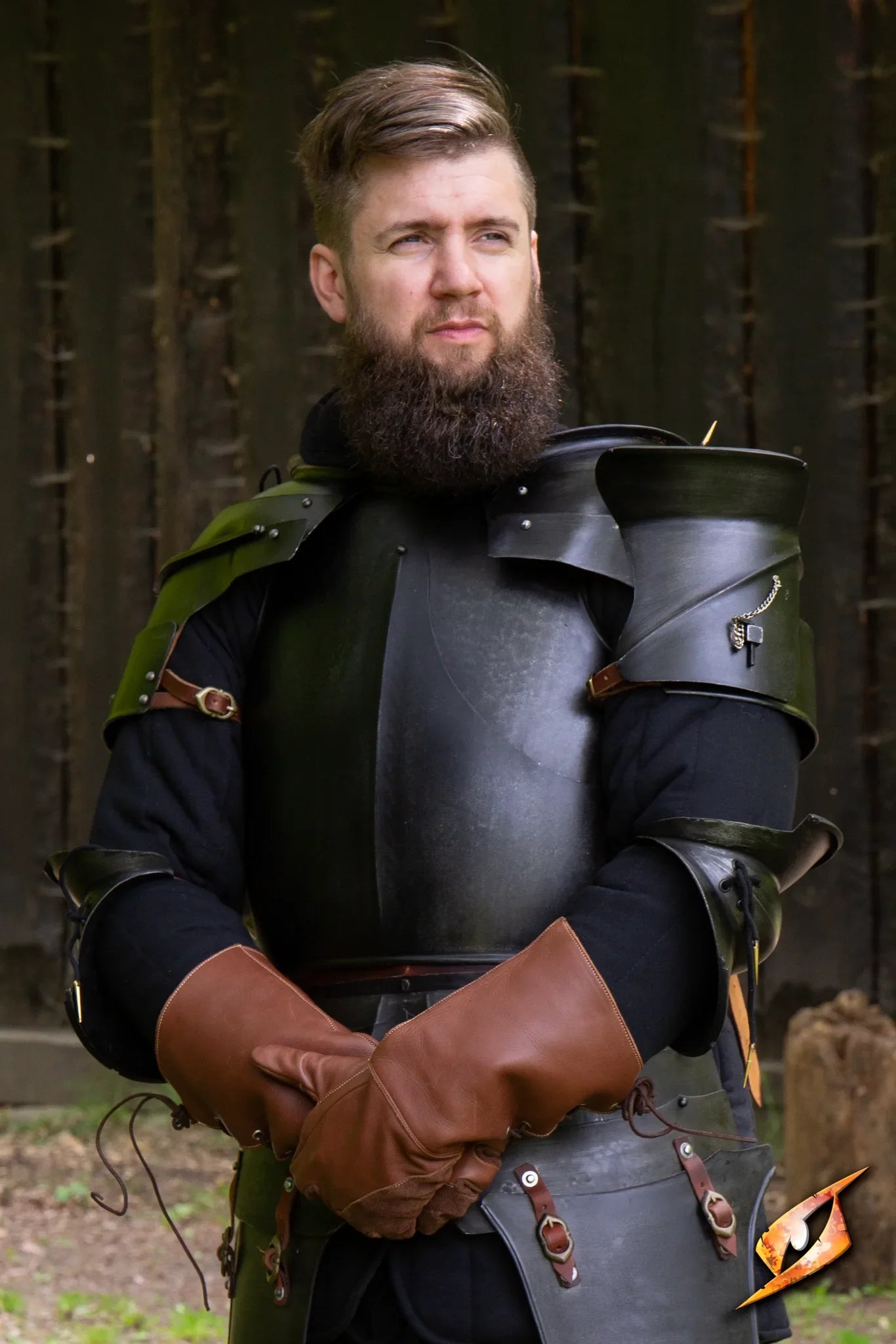
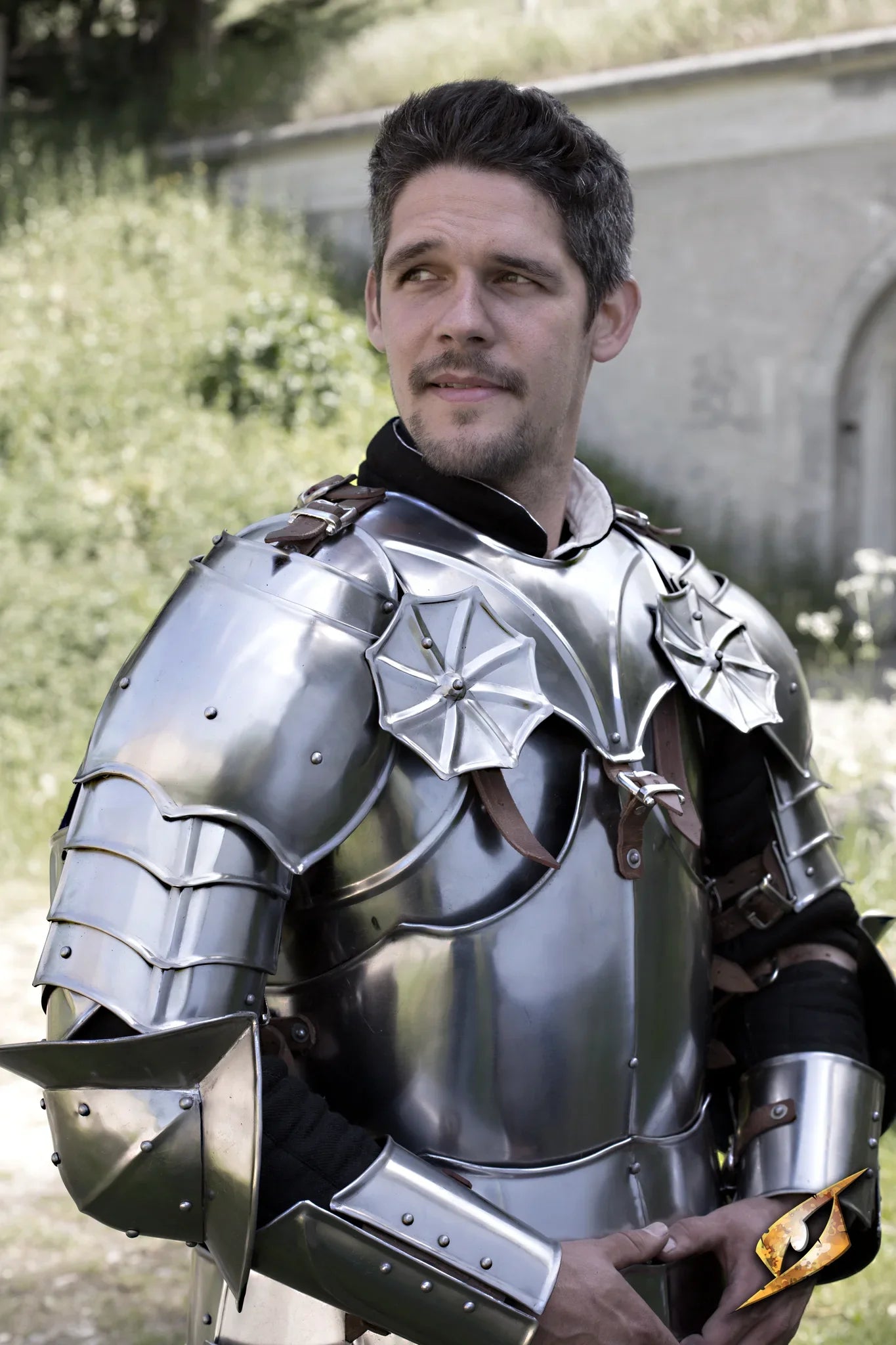
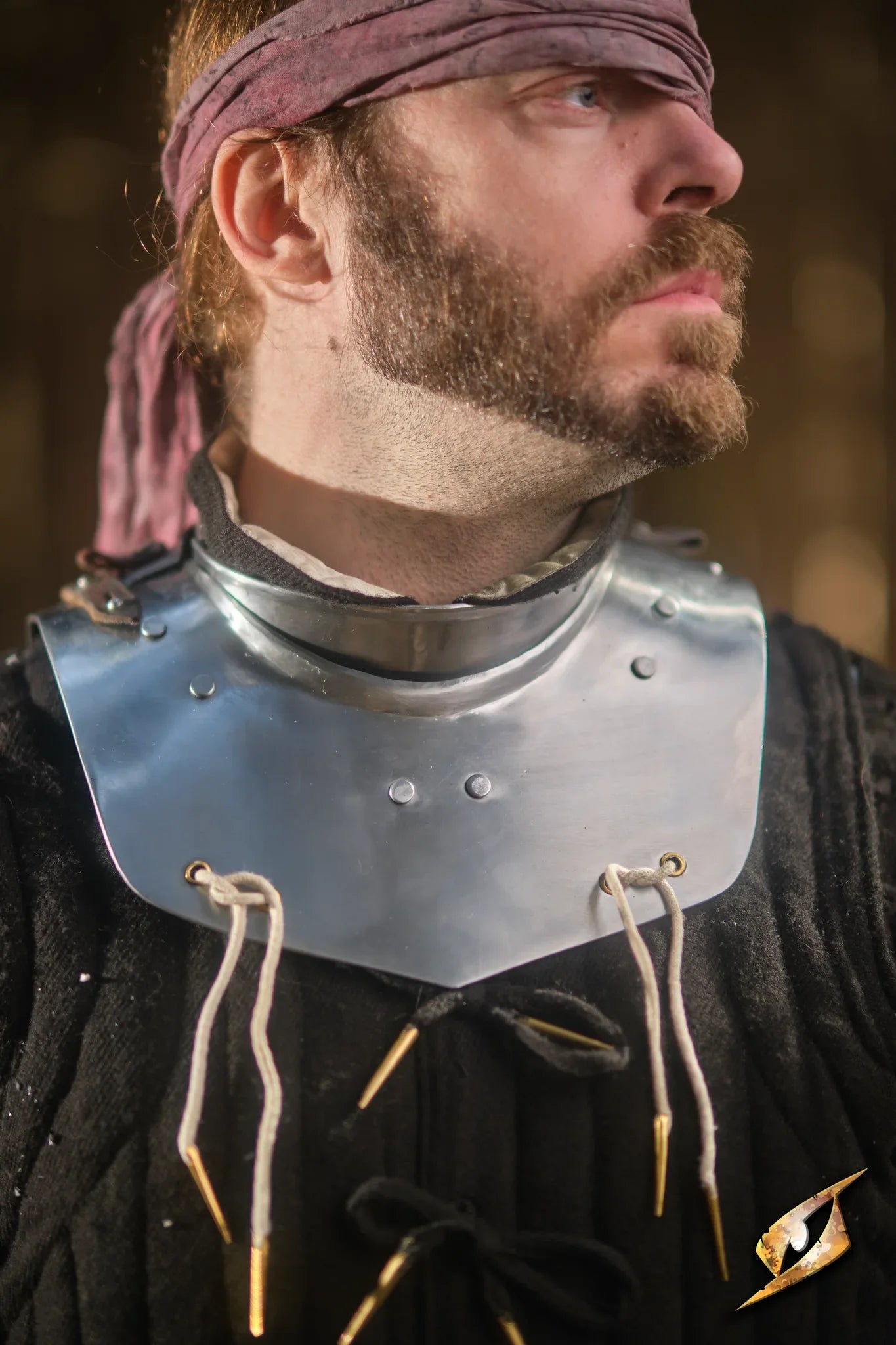
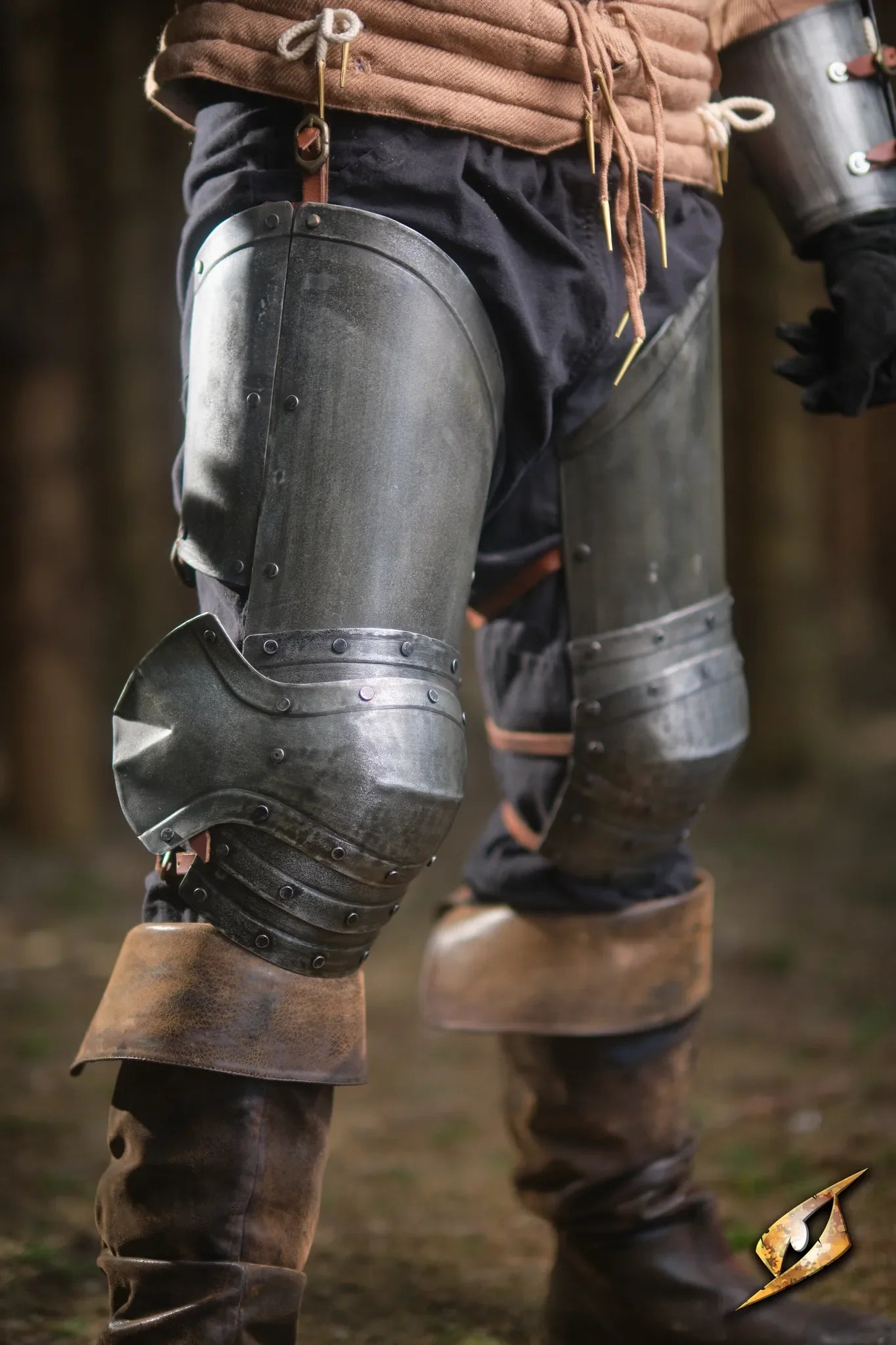
The breastplate became the key piece, contoured to the ribcage to spread impact, often balanced by a backplate. A plackart strengthened the lower torso. The fauld, which was encircling the hips, consisted of thin, overlapping metal strips that were flexible with the body, thus providing the waist with protection and at the same time it was free from the restriction of the movement.
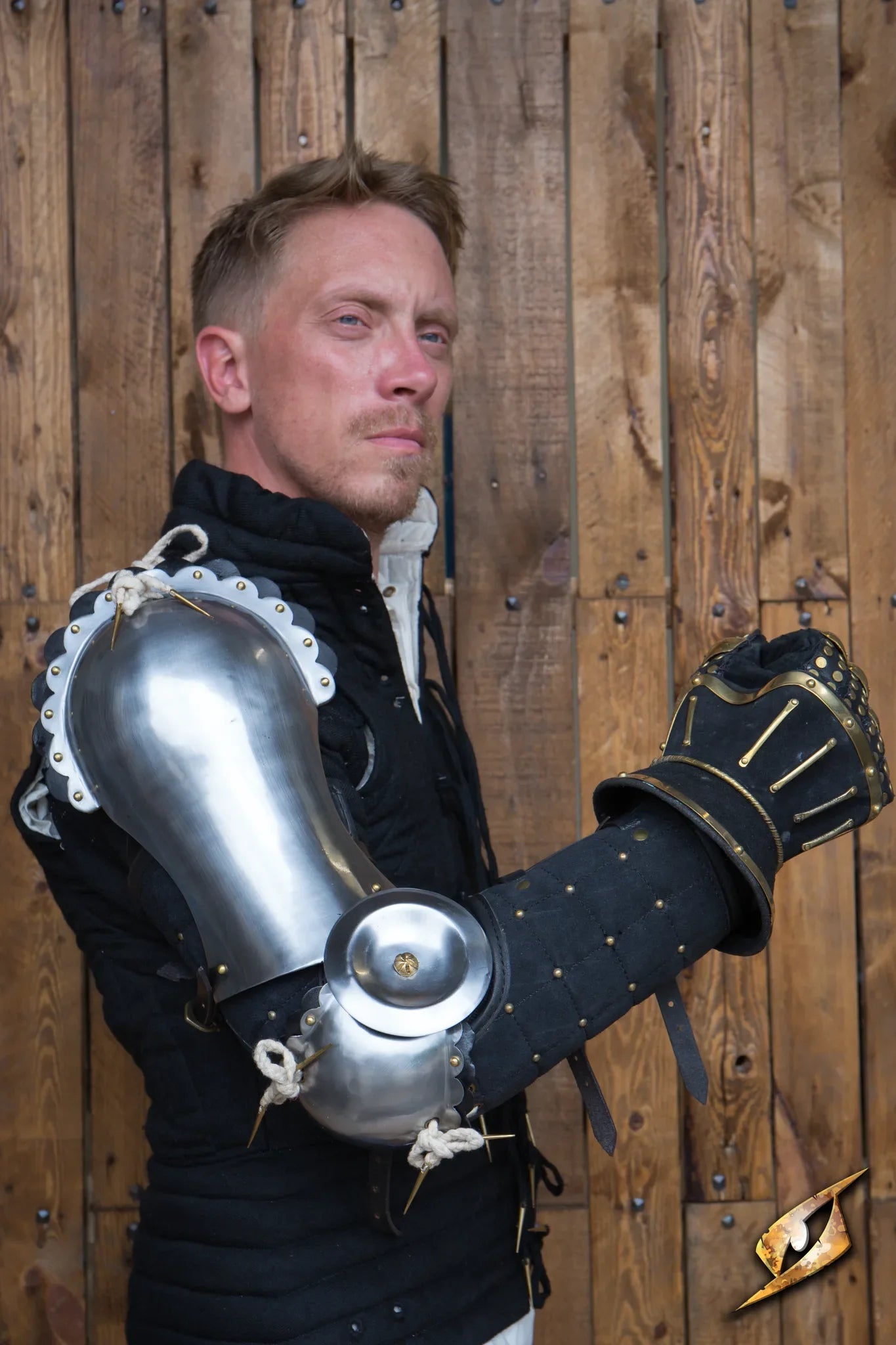
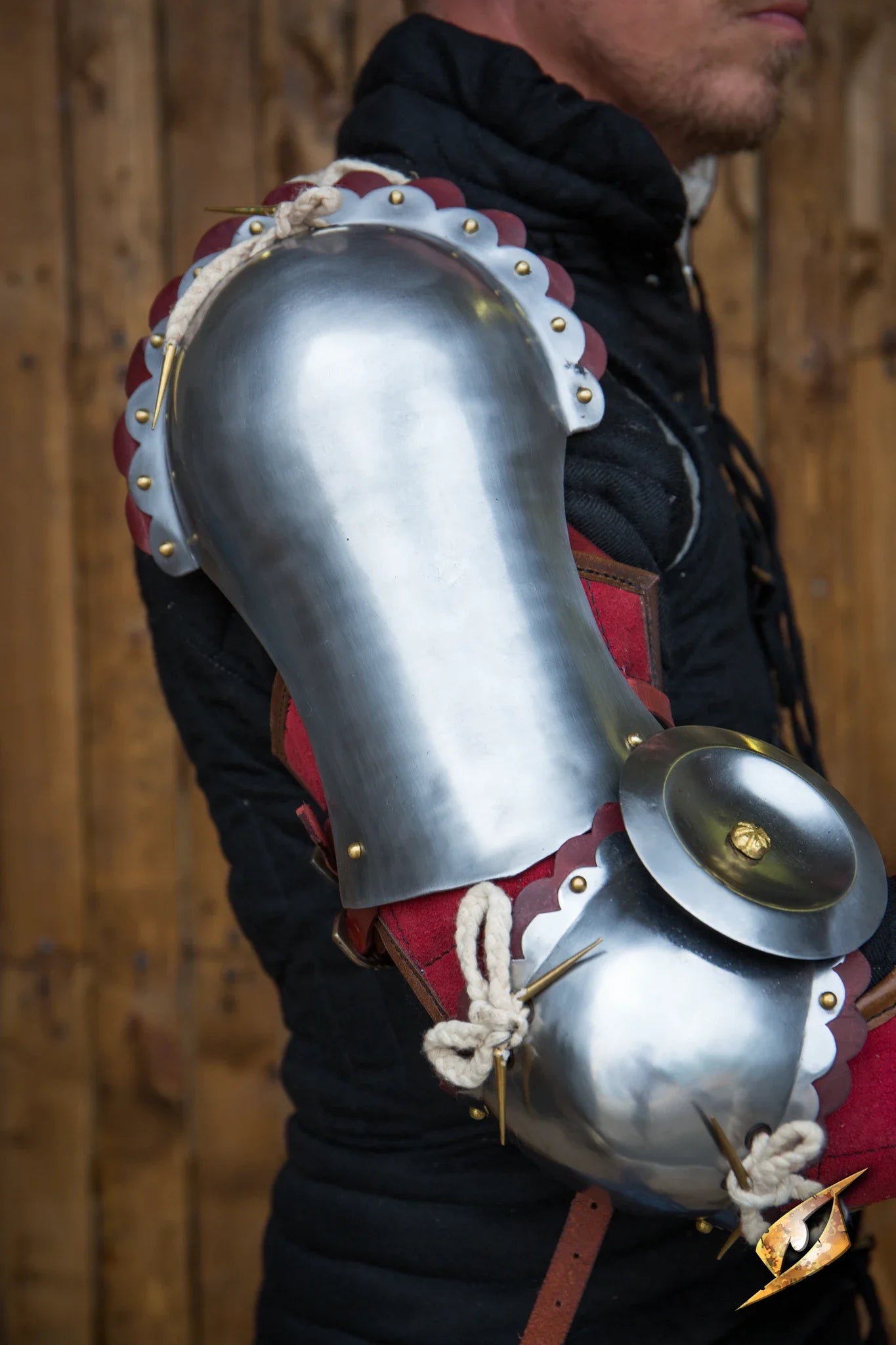
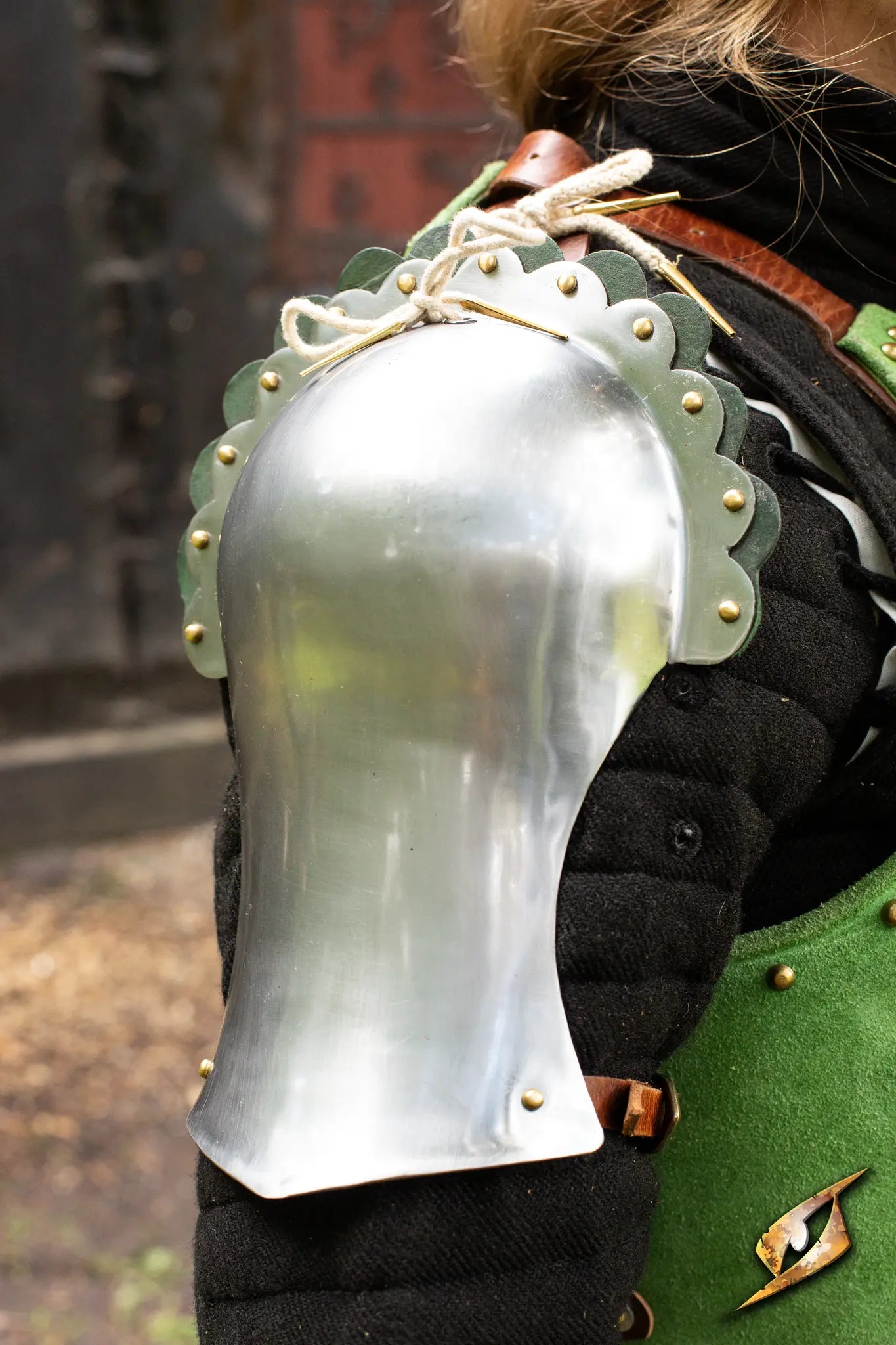
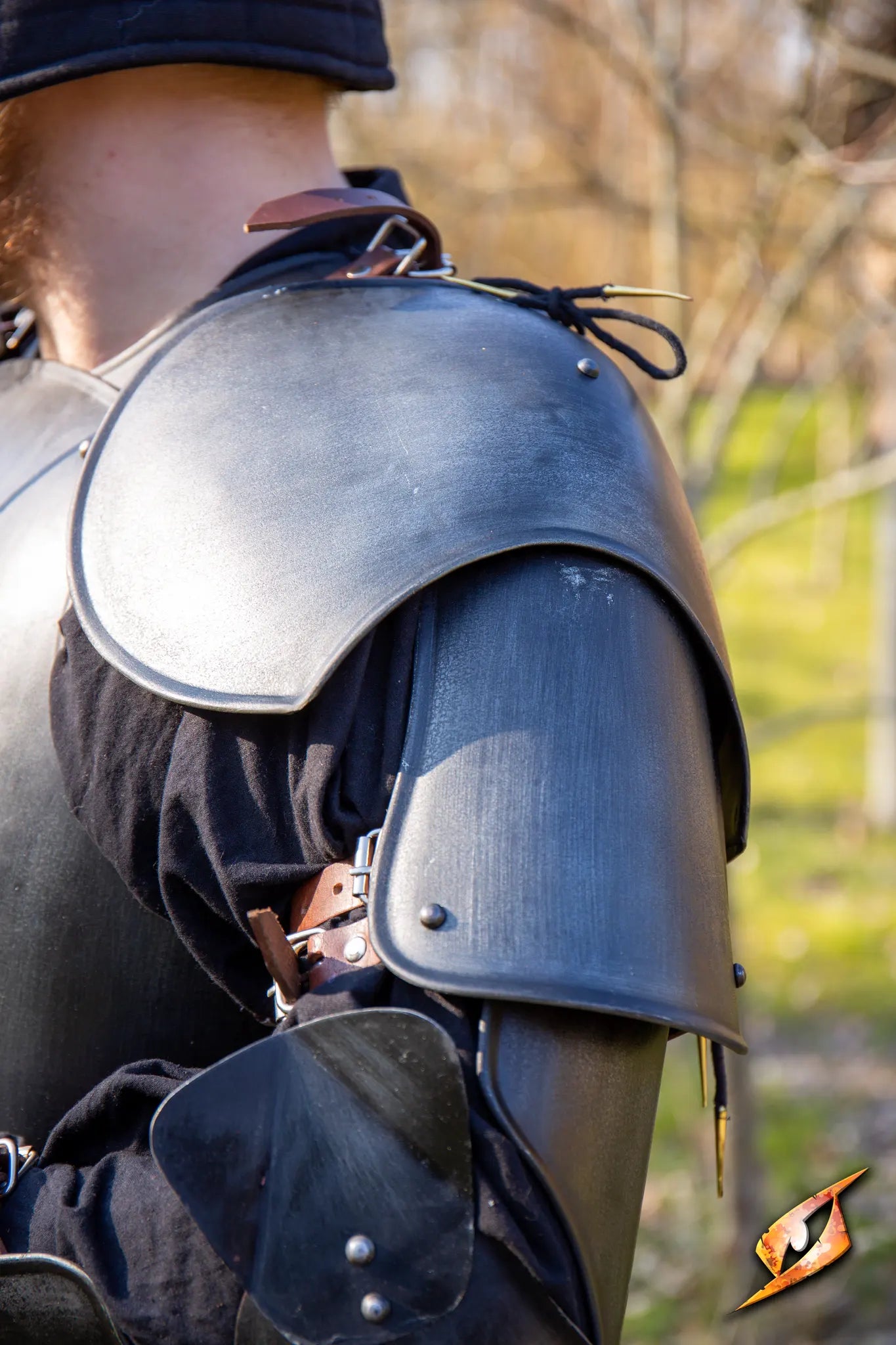
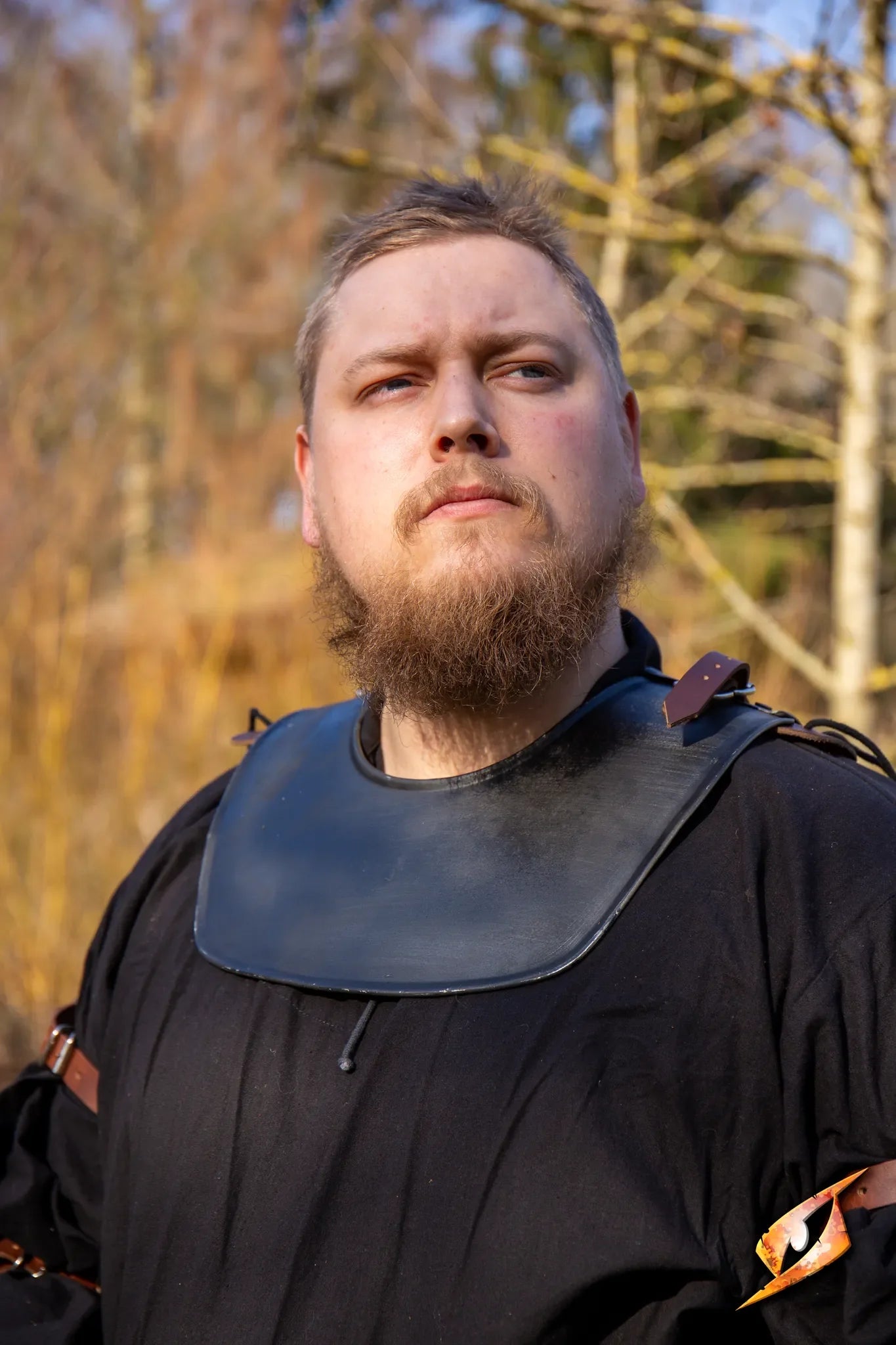
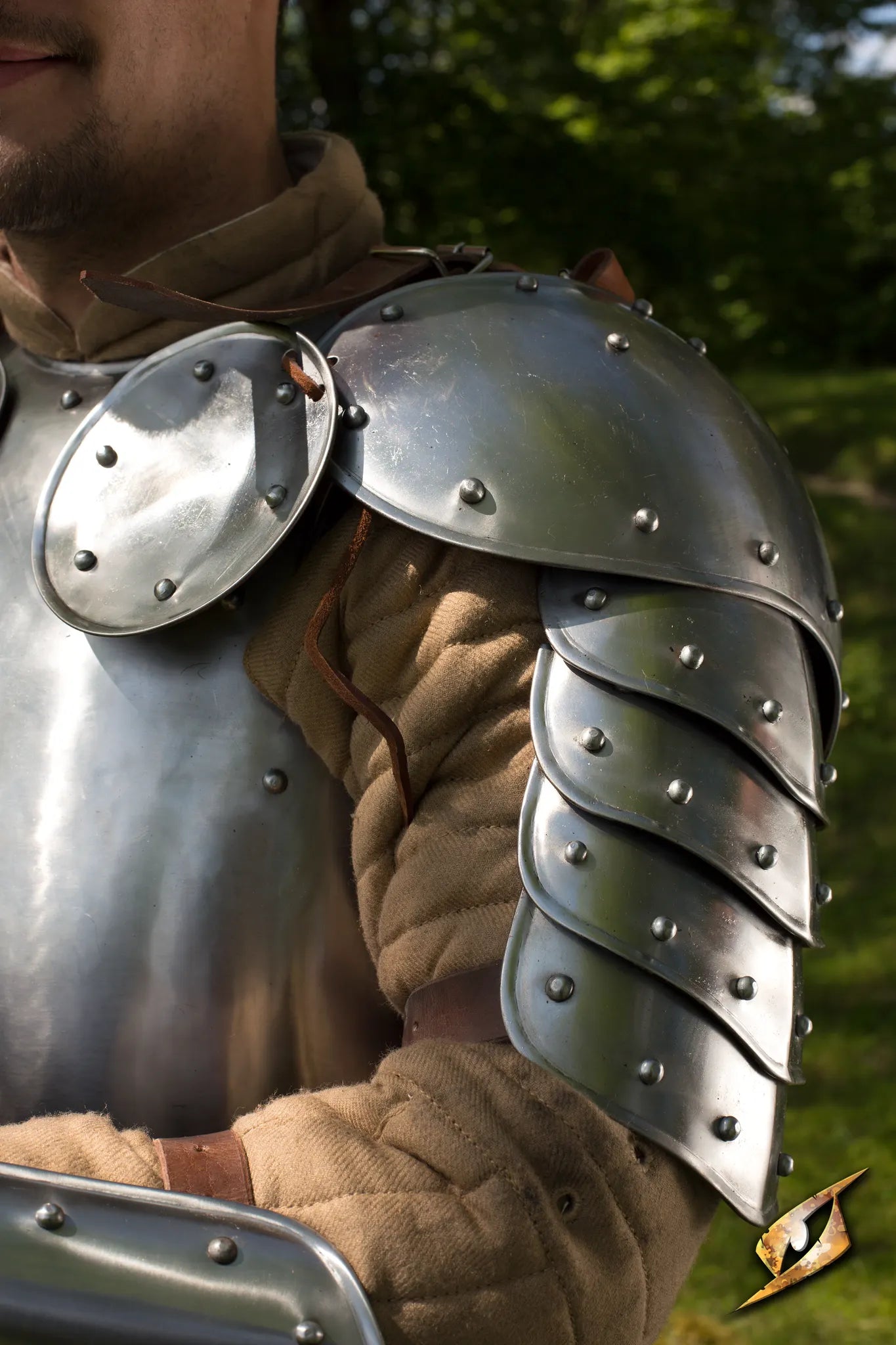
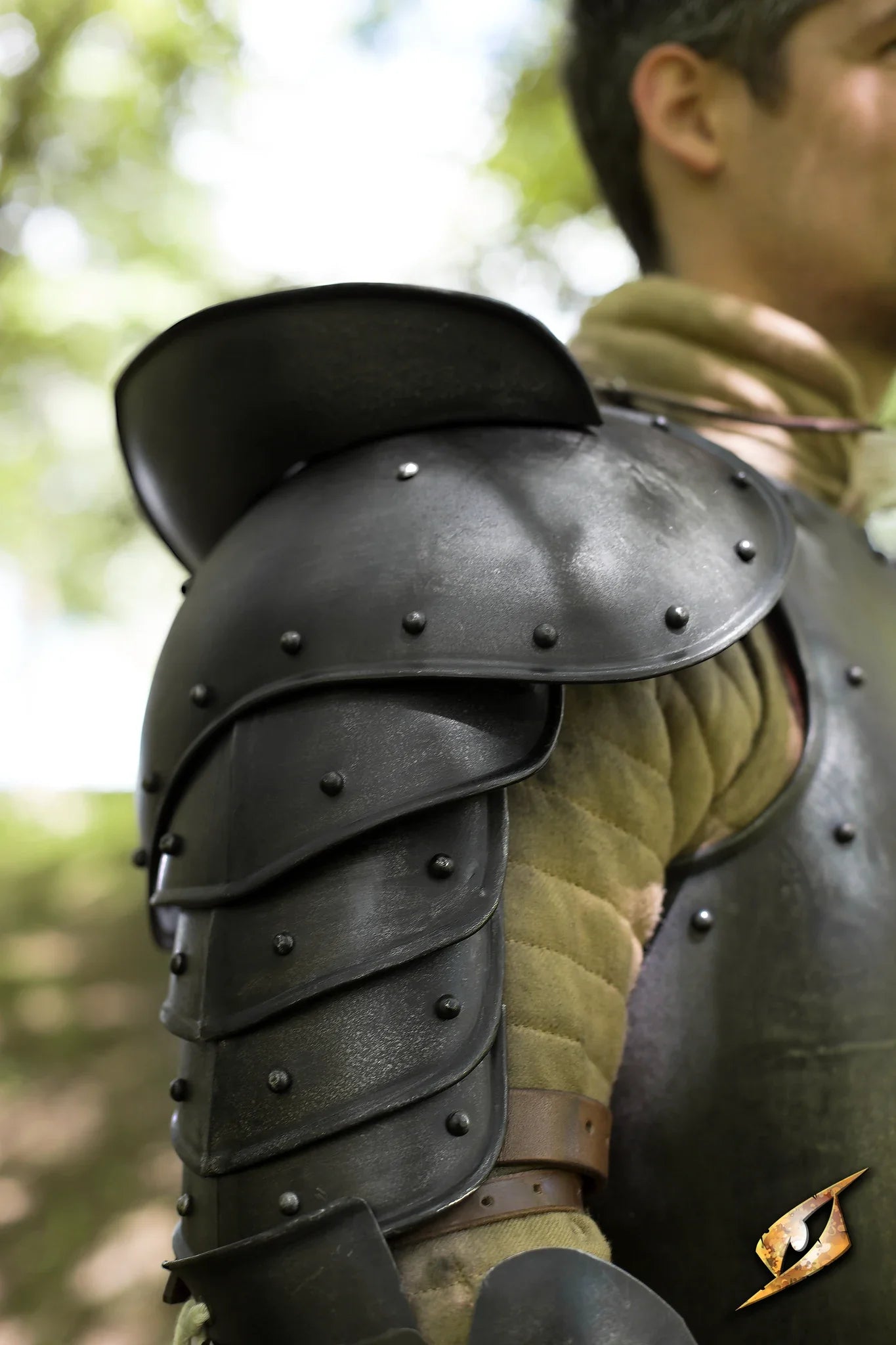
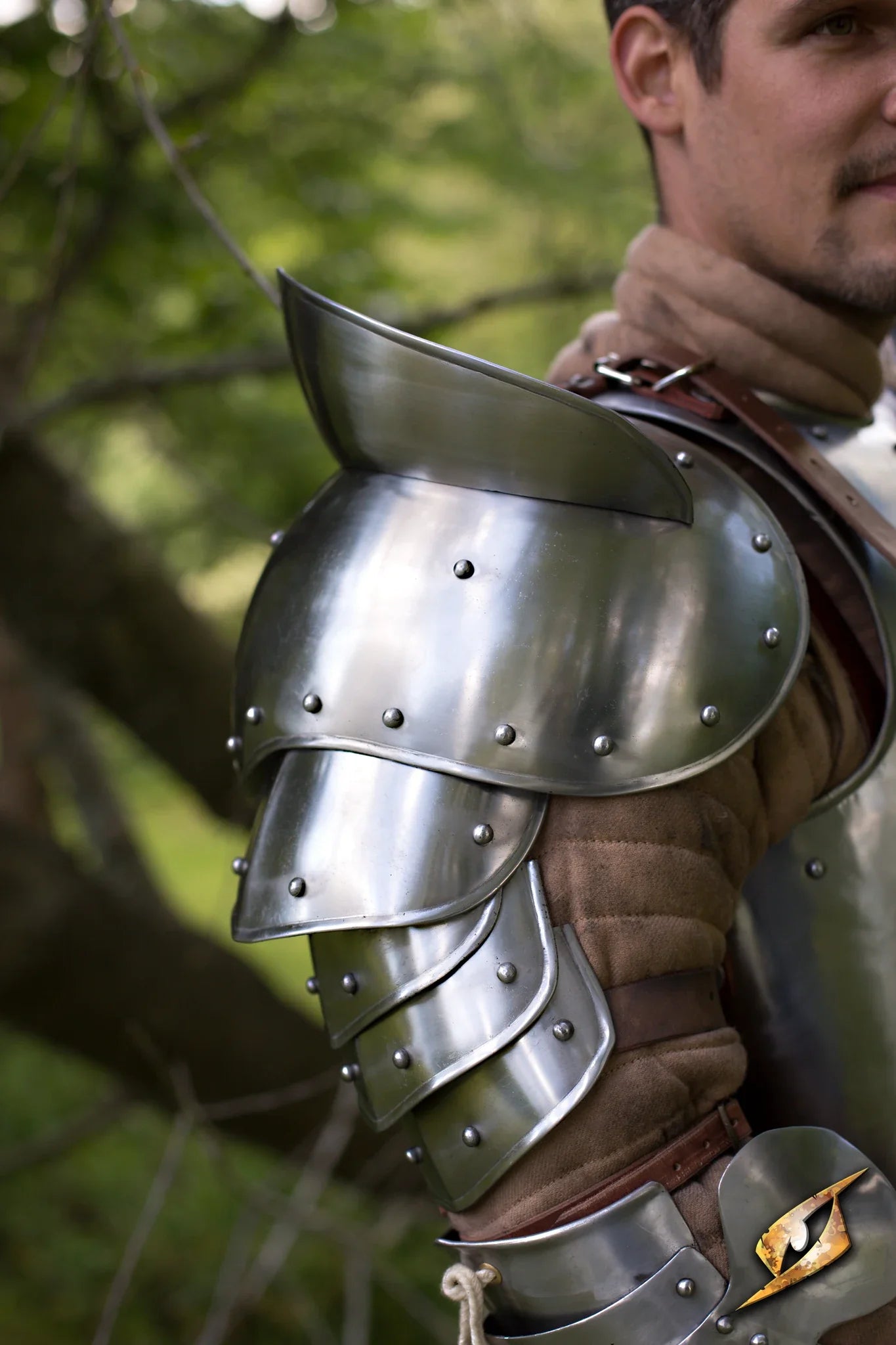
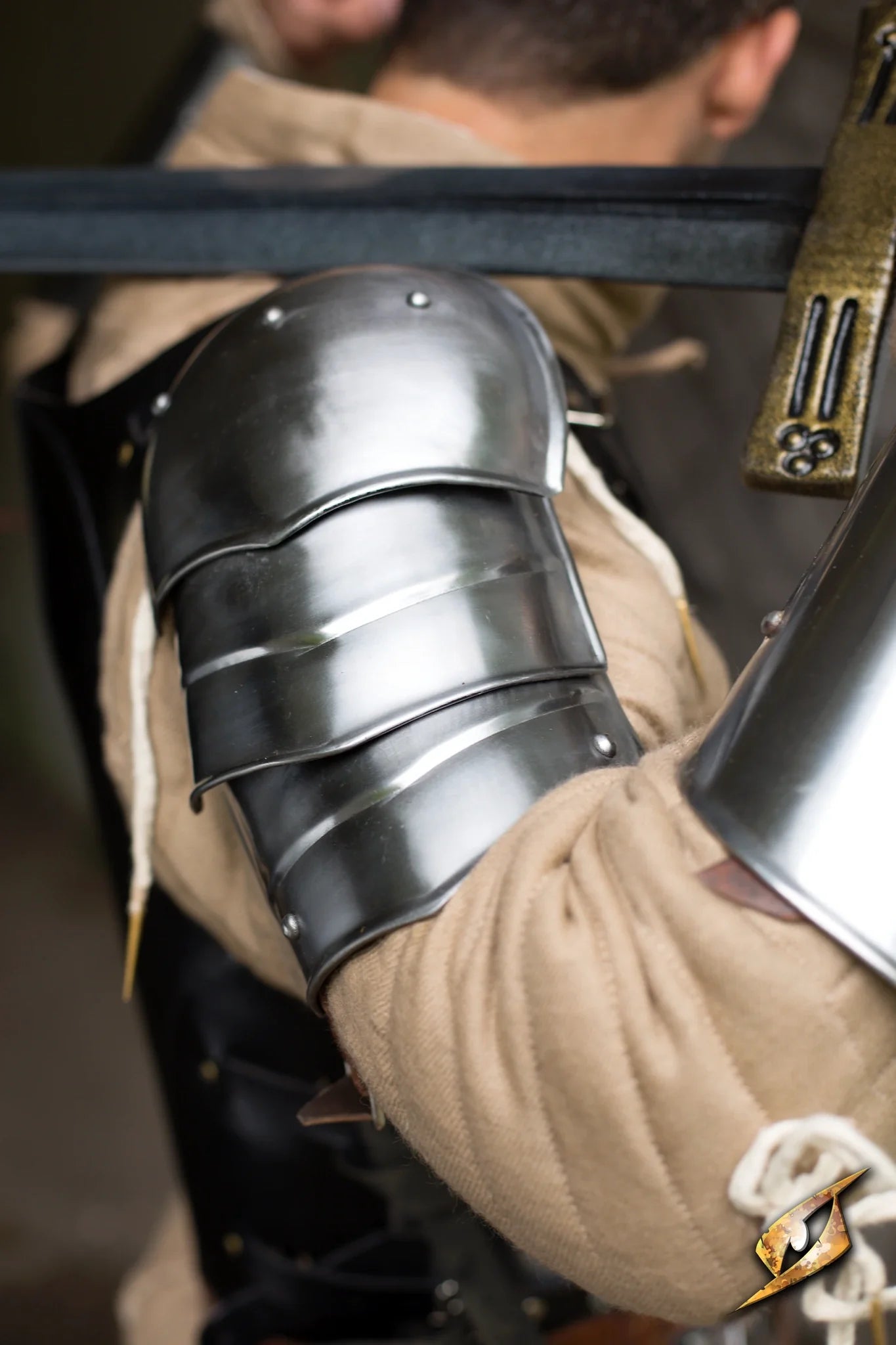
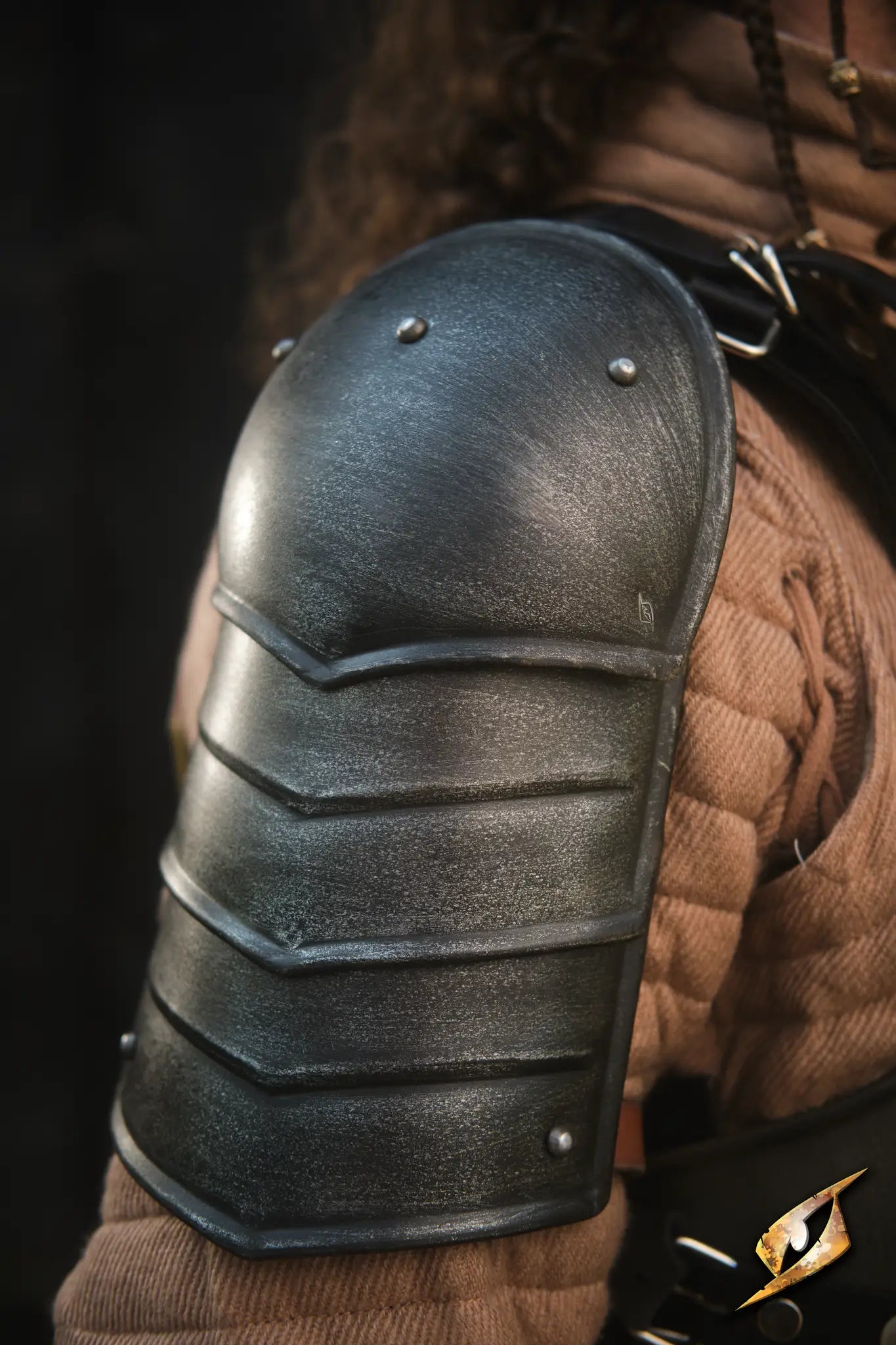
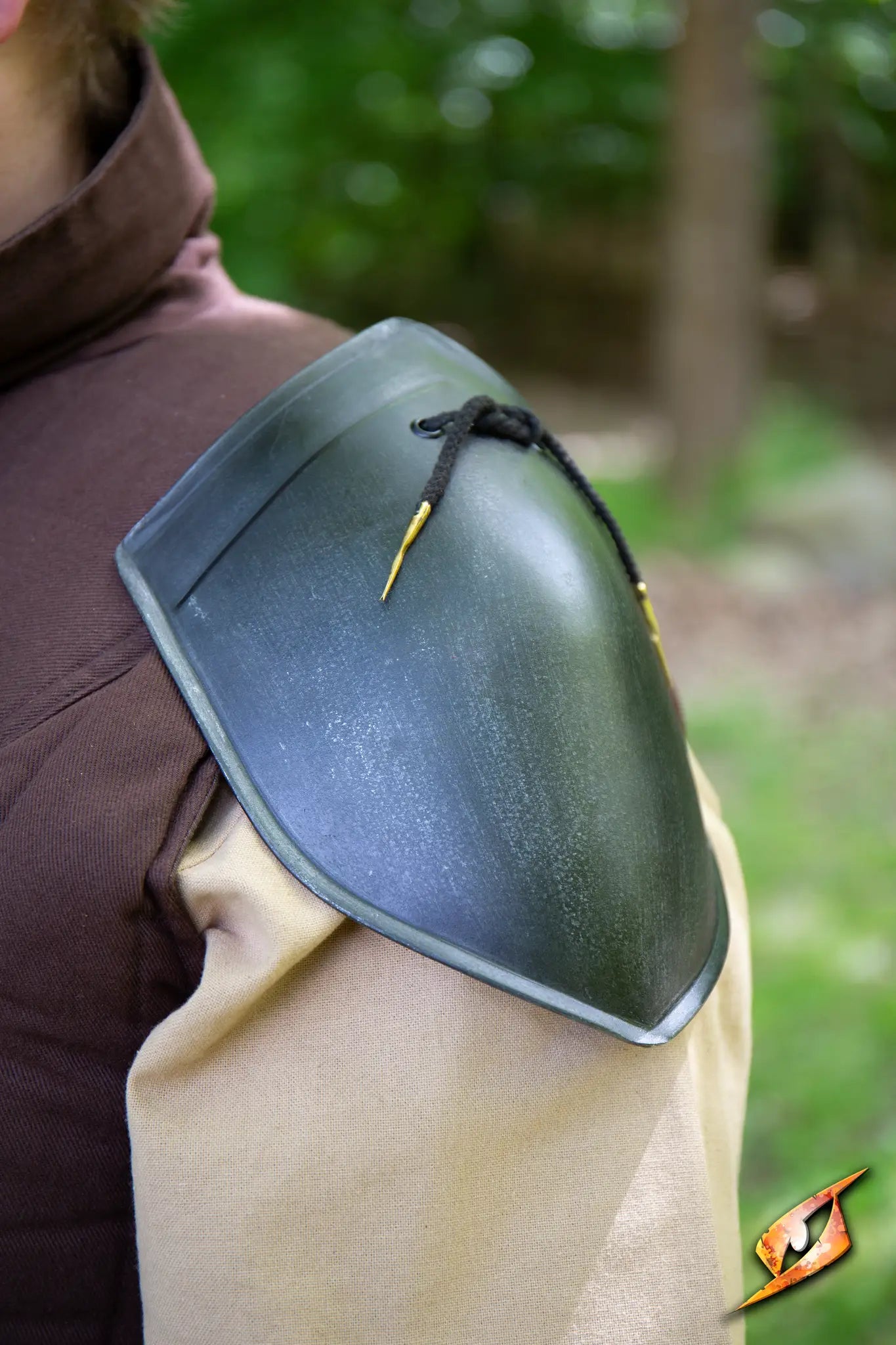
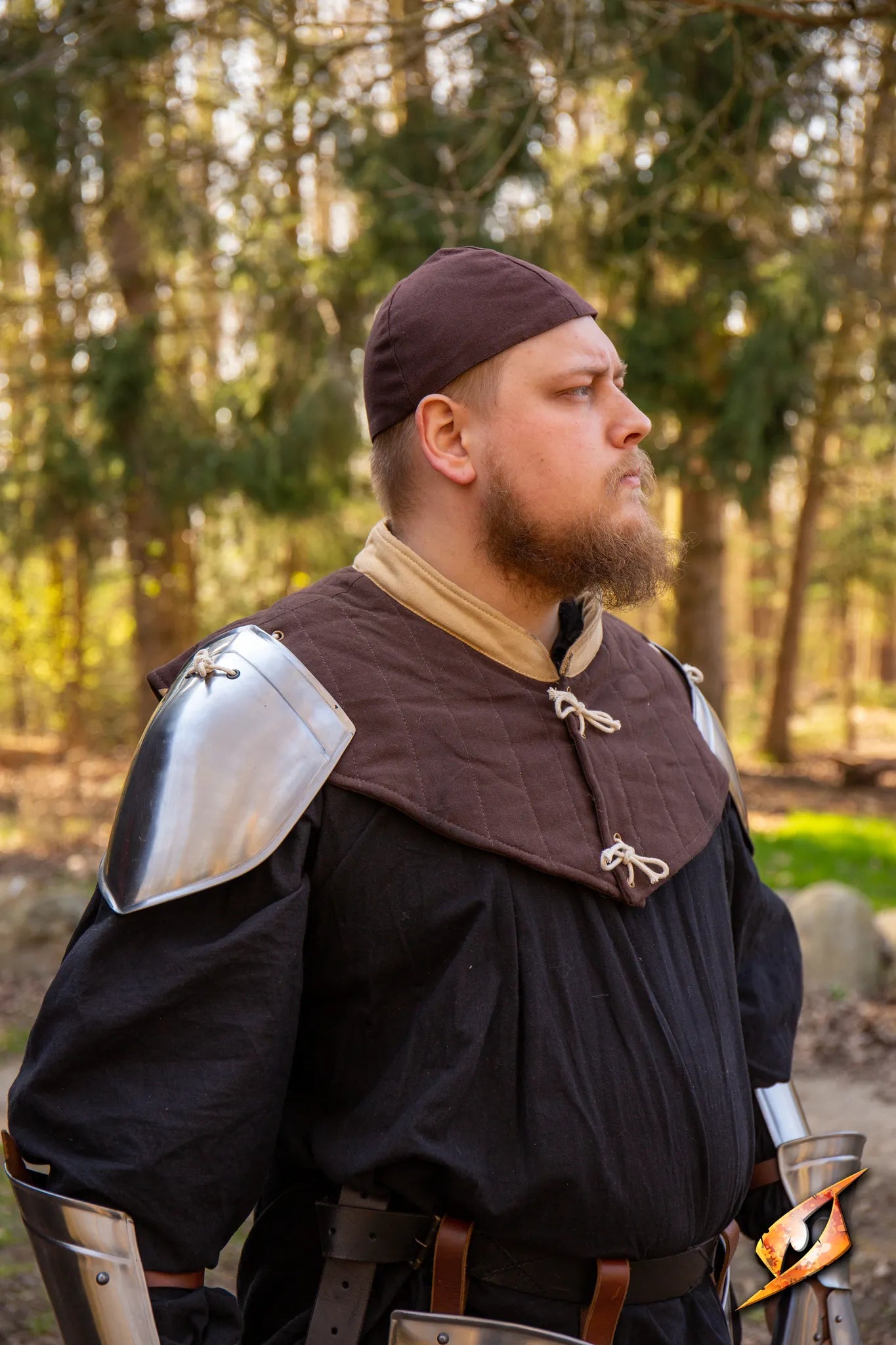
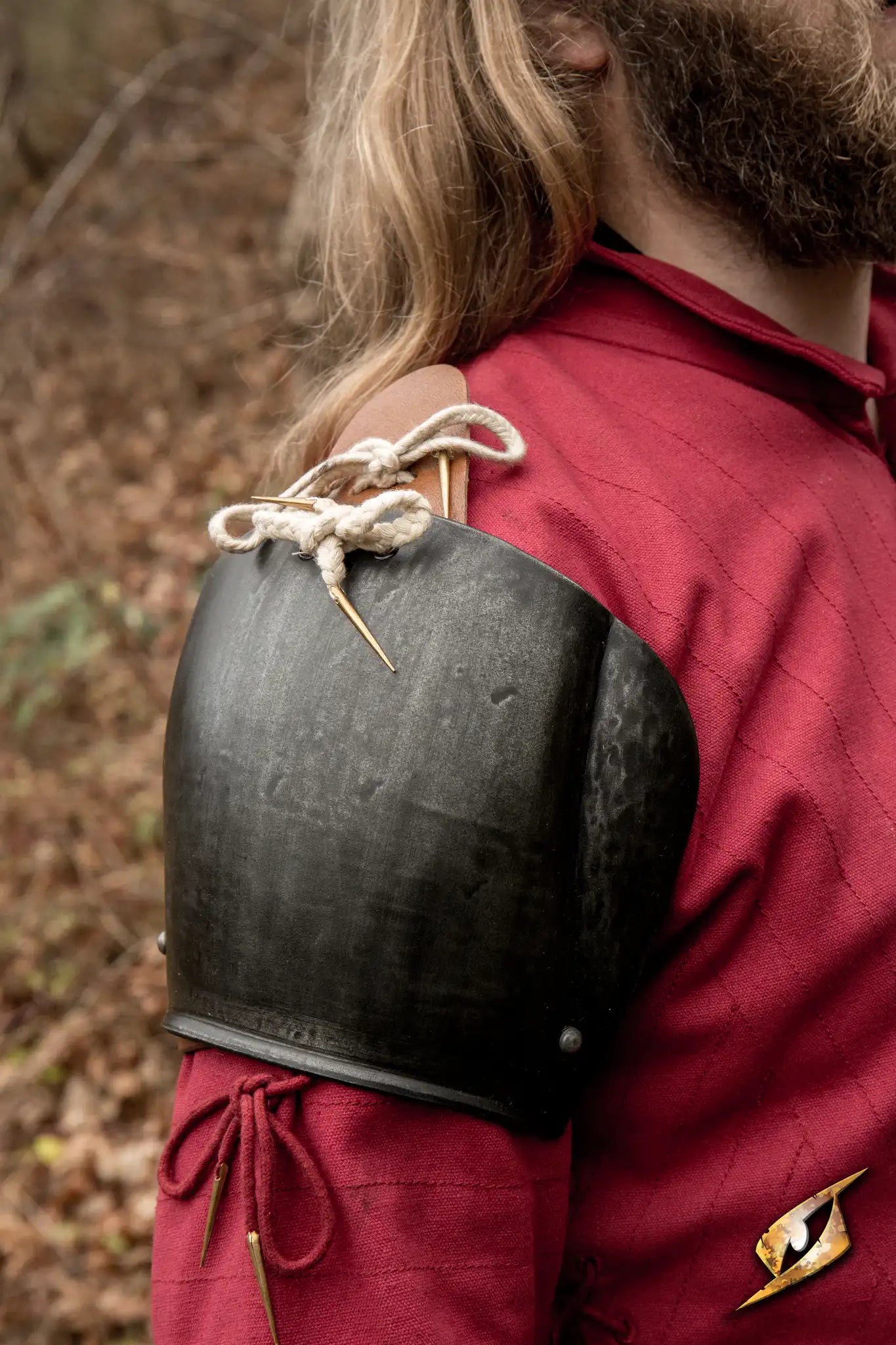
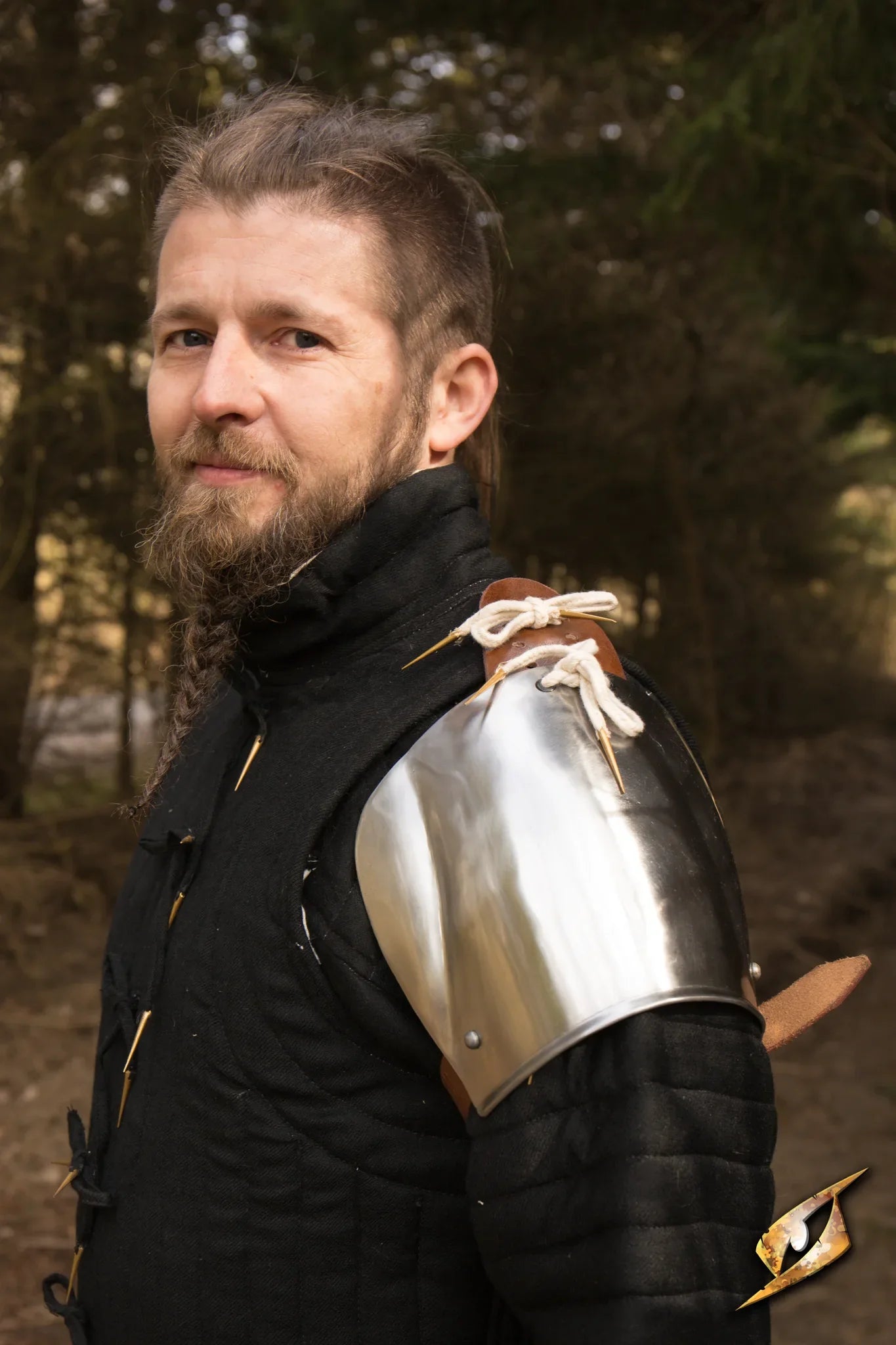
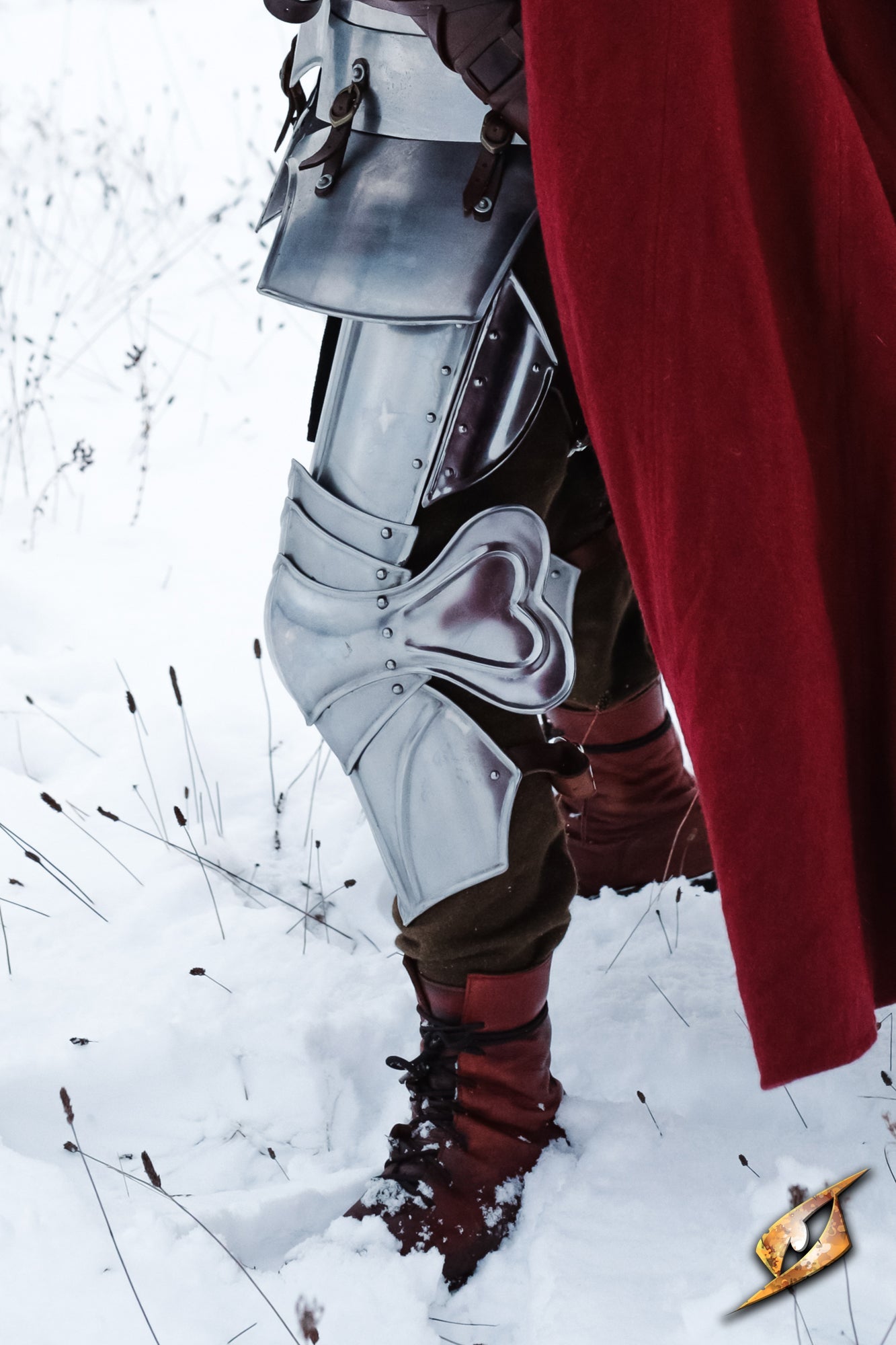
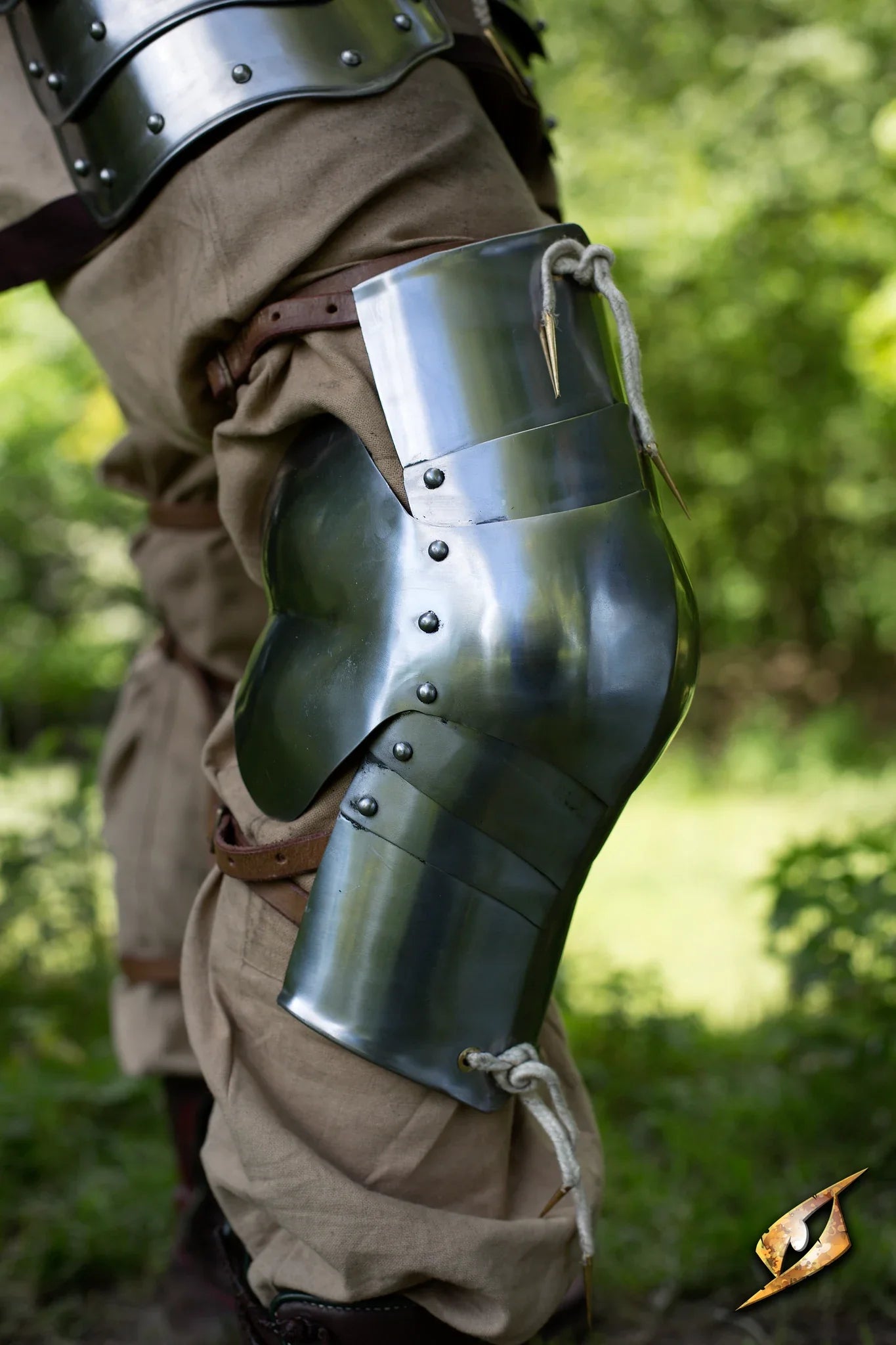
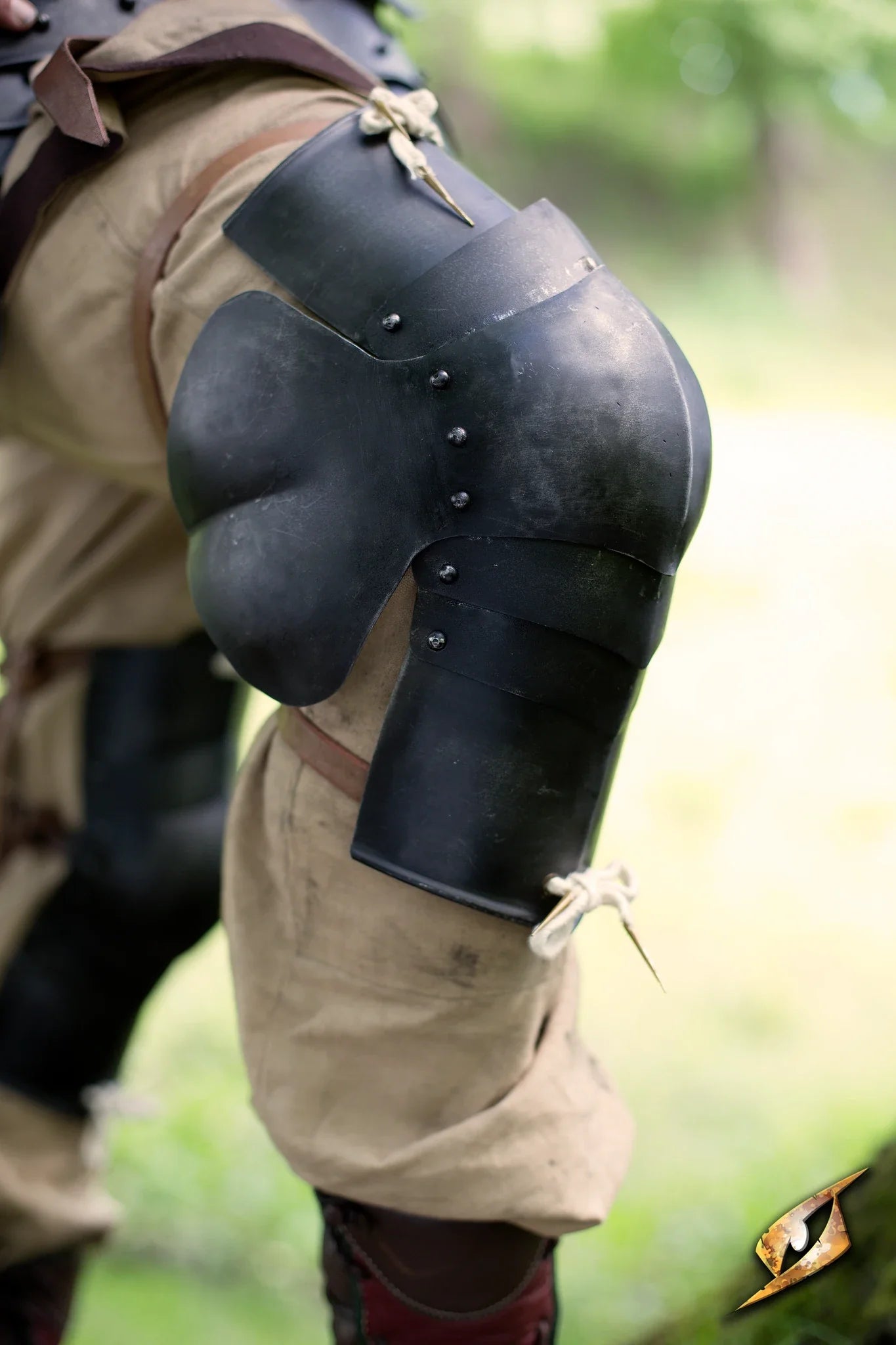
Shoulder protection became seriously advanced. A pauldron covered the entire shoulder, upper arm, and armpit. Some kits used smaller, simpler spaulders instead. A small round plate called a besagew often sat near the armpit to cover that vital weak spot.
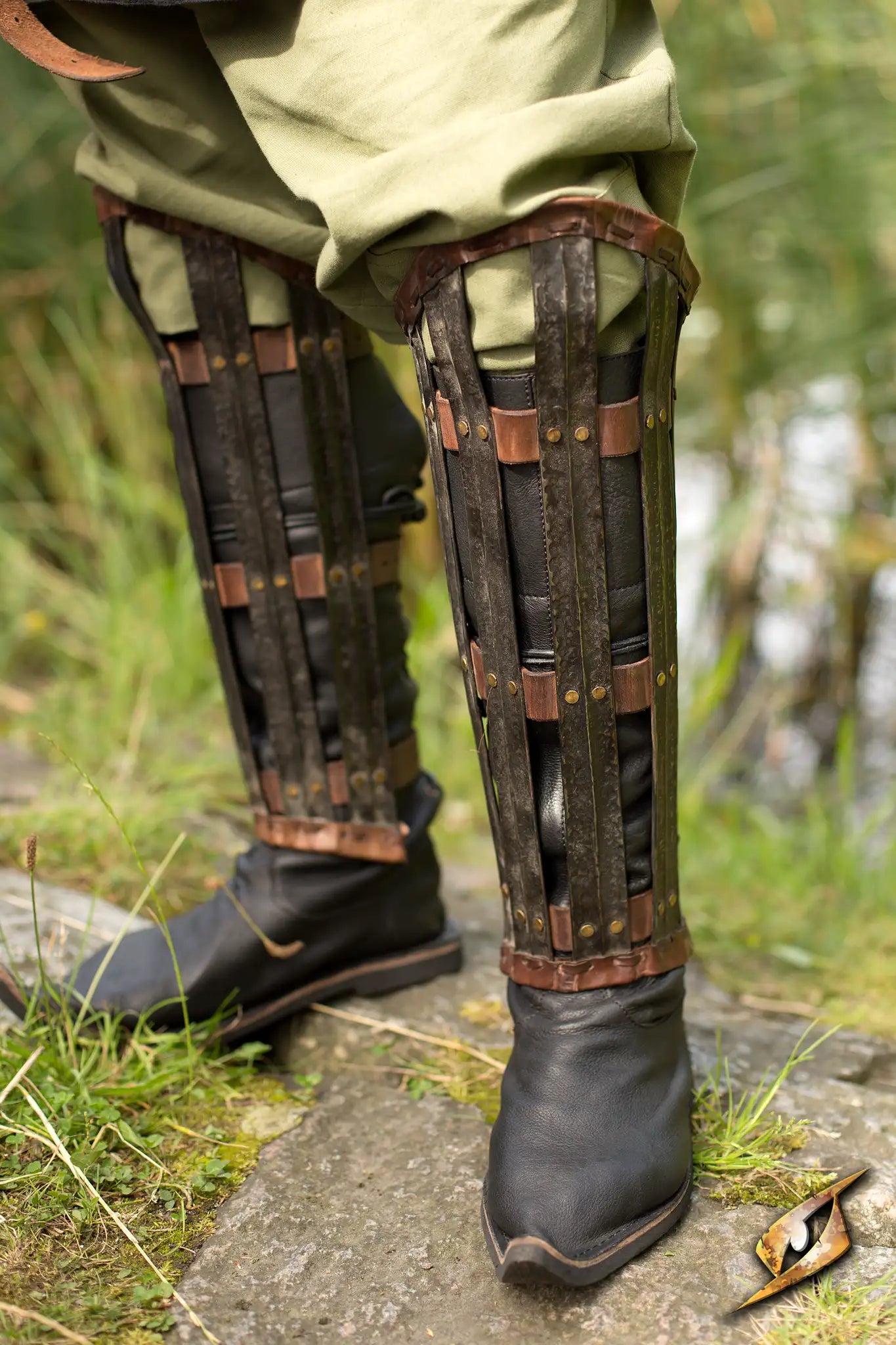
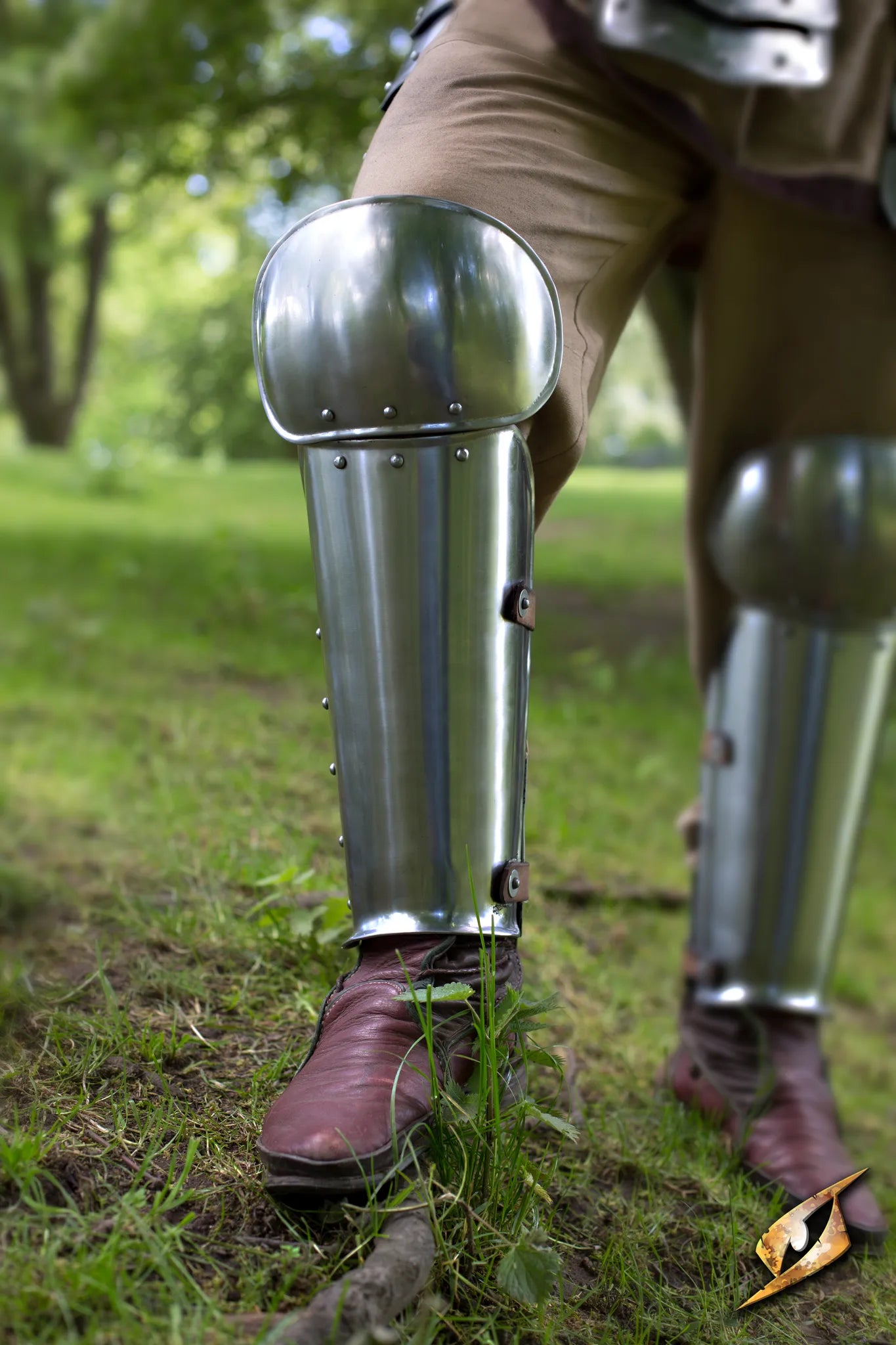
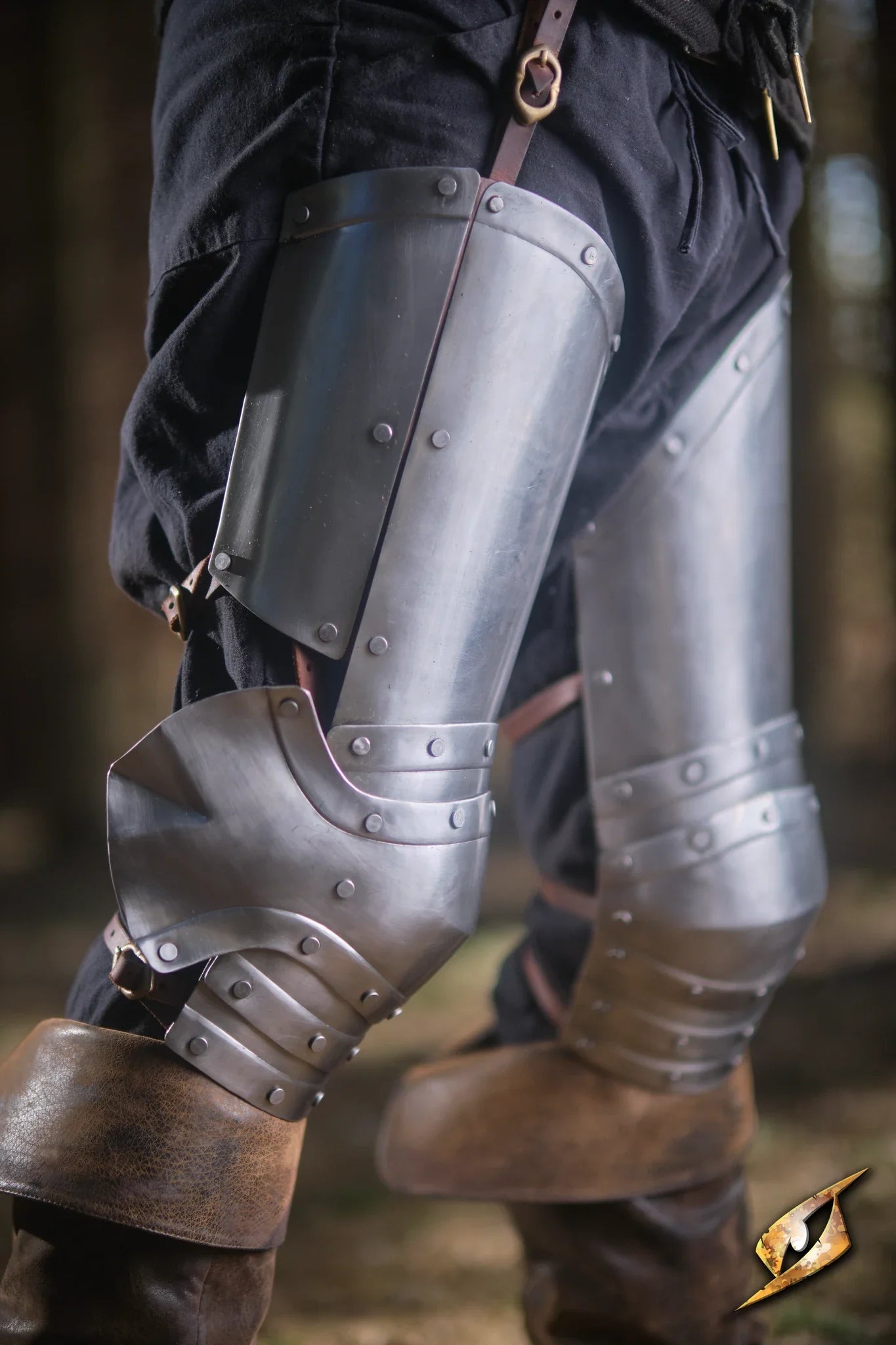
Arm and leg protection followed the same genius logic:
|
Location |
Armour Piece |
Function |
|
Upper Arm |
Rerebrace |
Shields the bicep/tricep. |
|
Elbow |
Couter |
Covers and protects the joint. |
|
Forearm |
Vambrace |
Guards the forearm. |
|
Thigh |
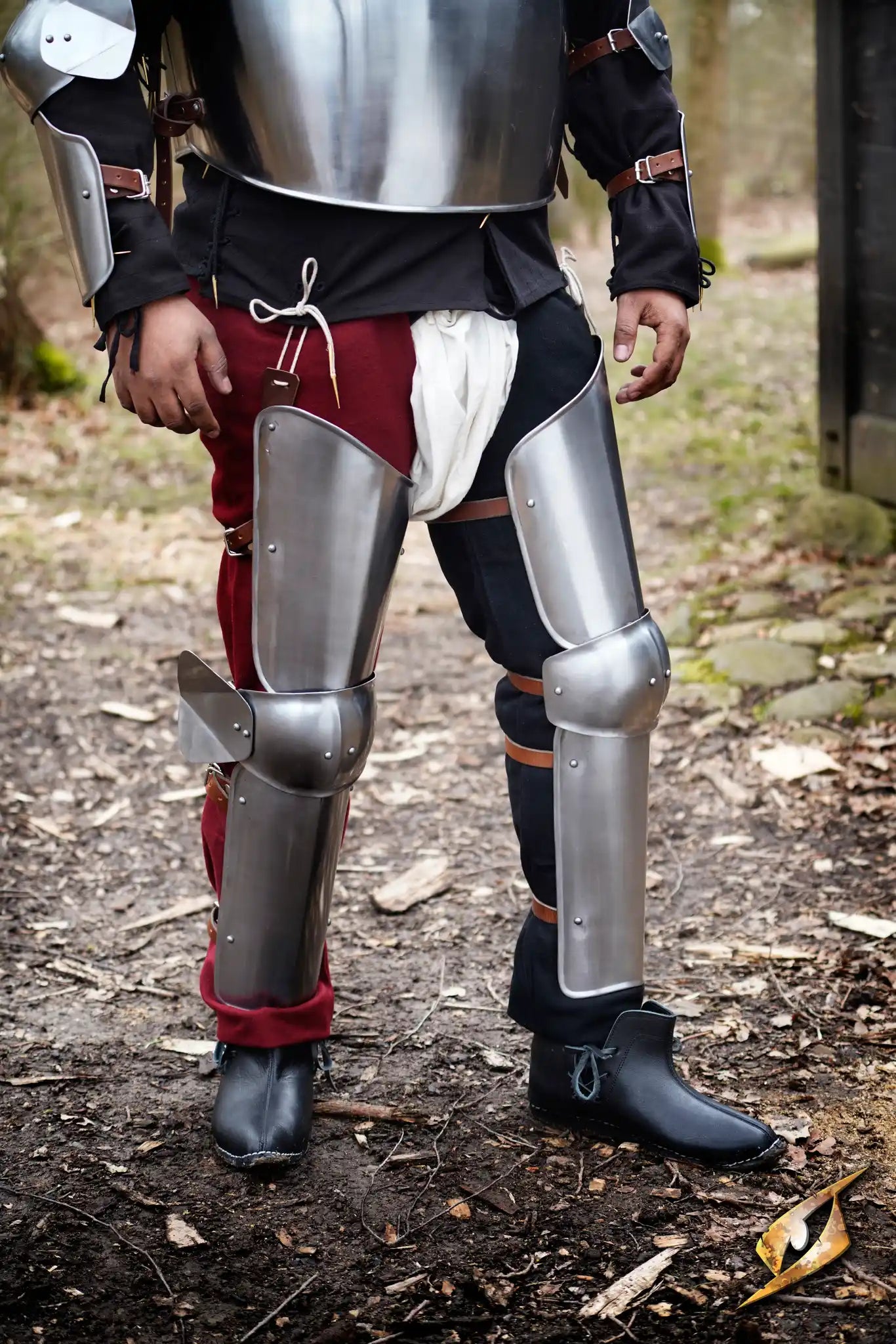
Cuisses |
Shields the upper leg. |
|
Knee |
Poleyns |
Protects the knee joint. |
|
Shin |
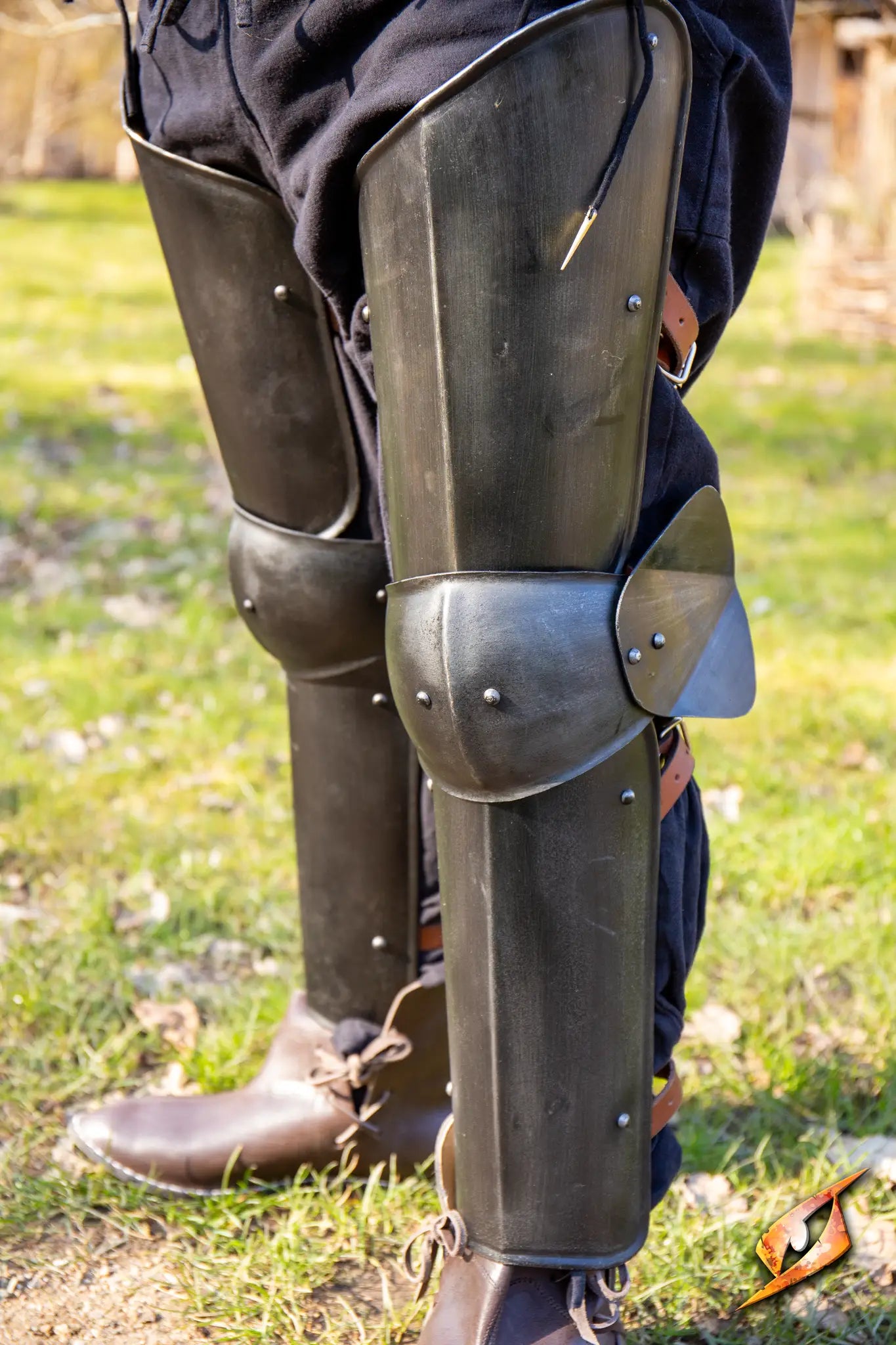
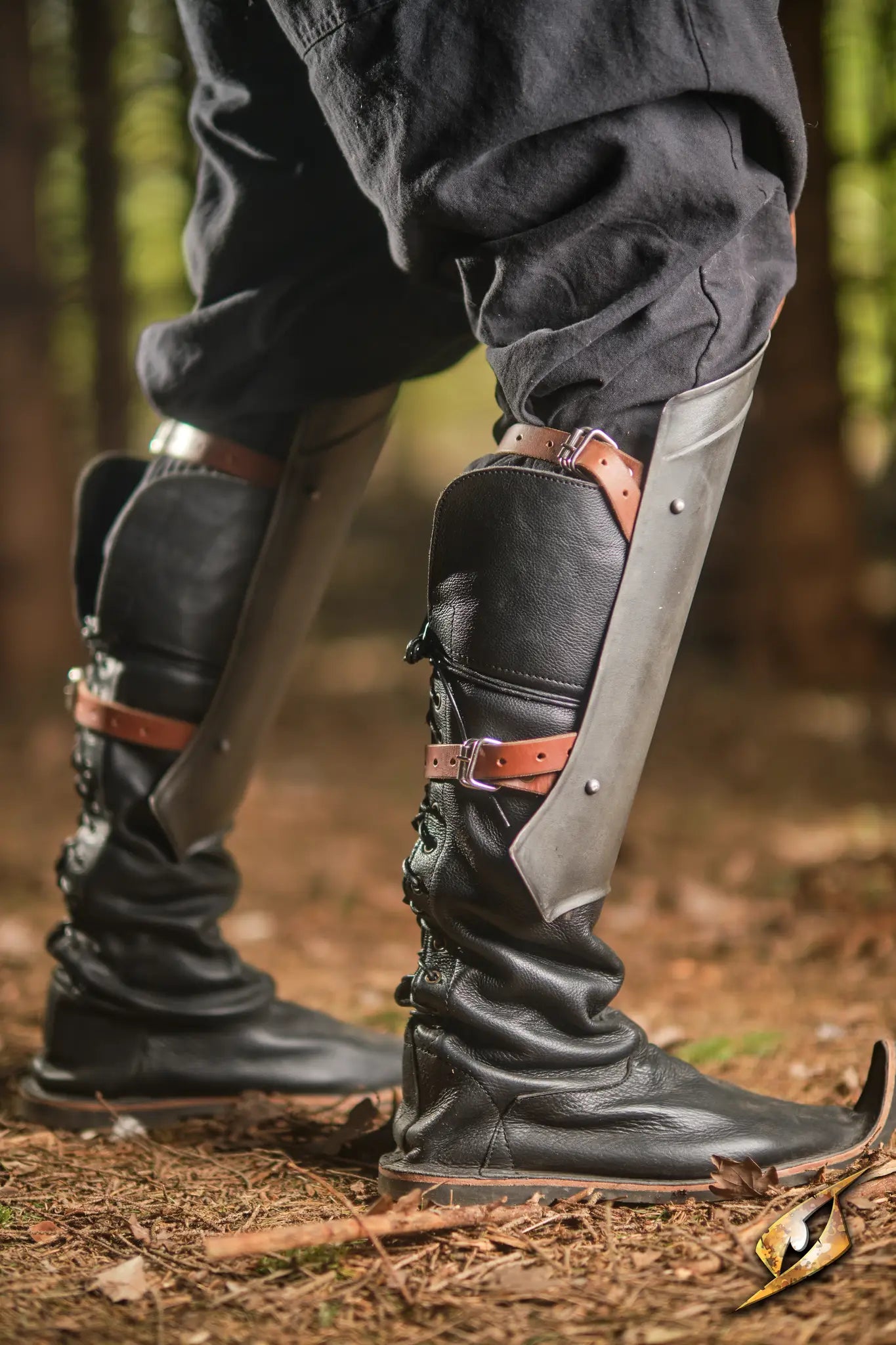
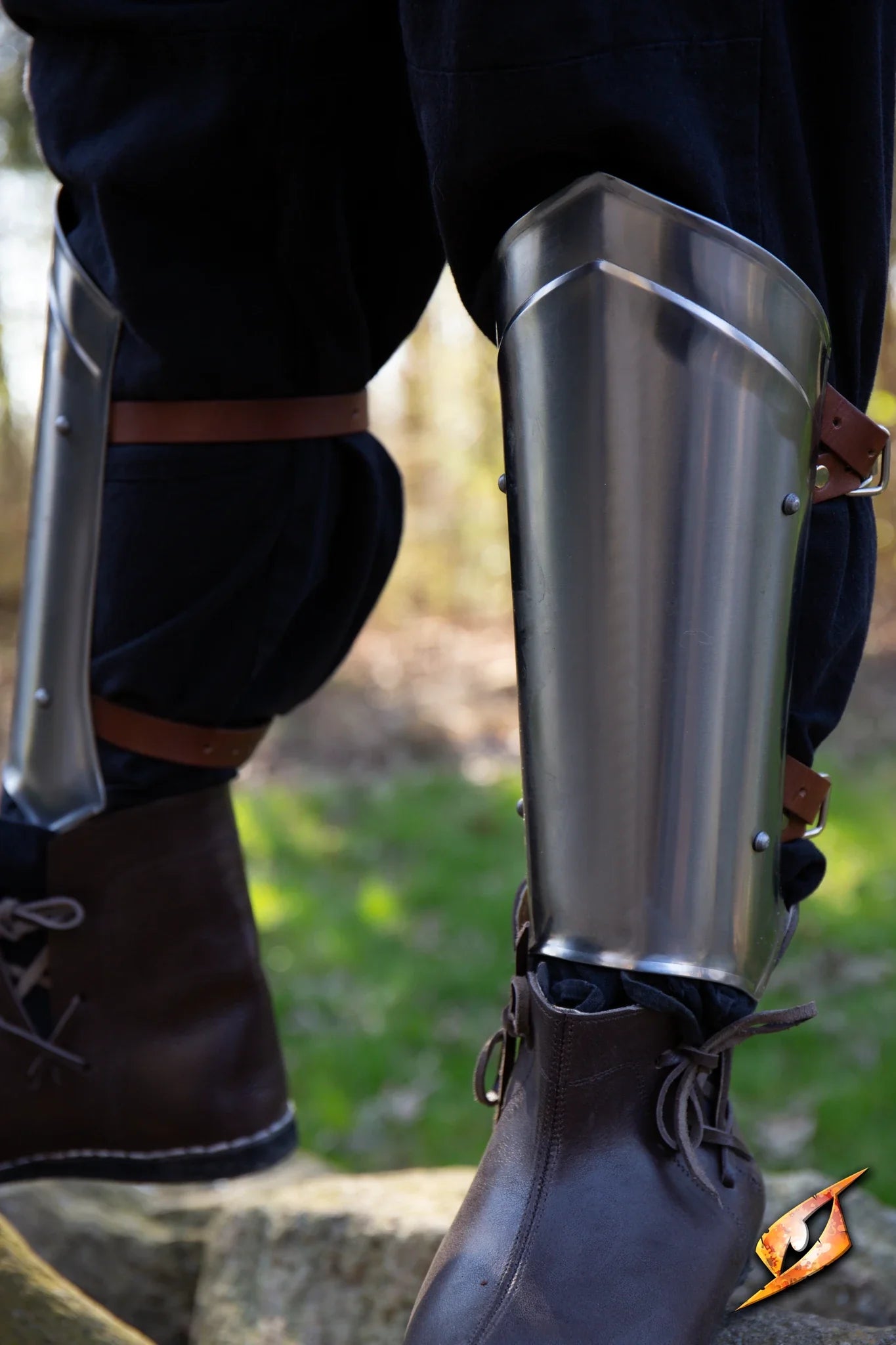
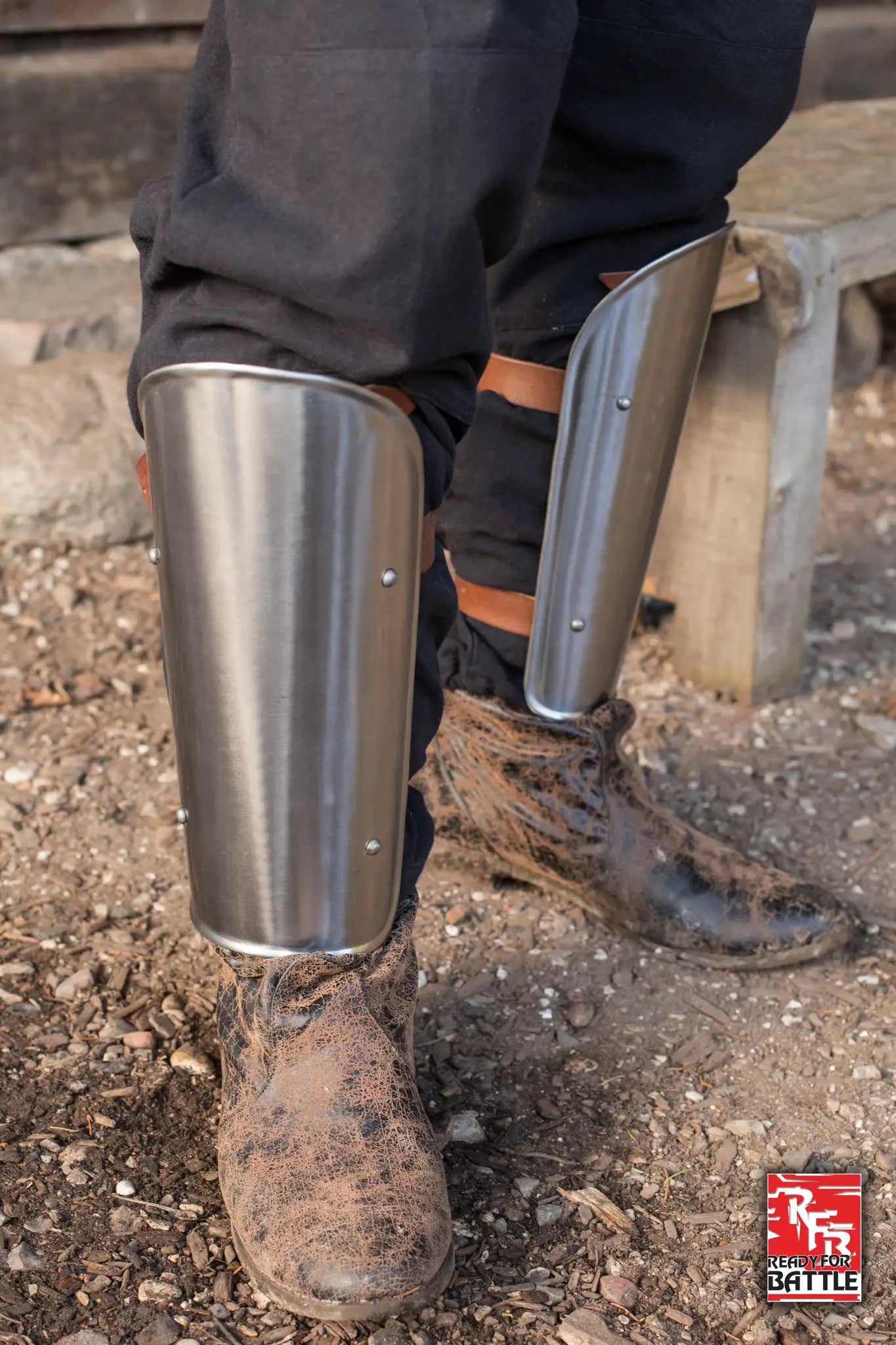
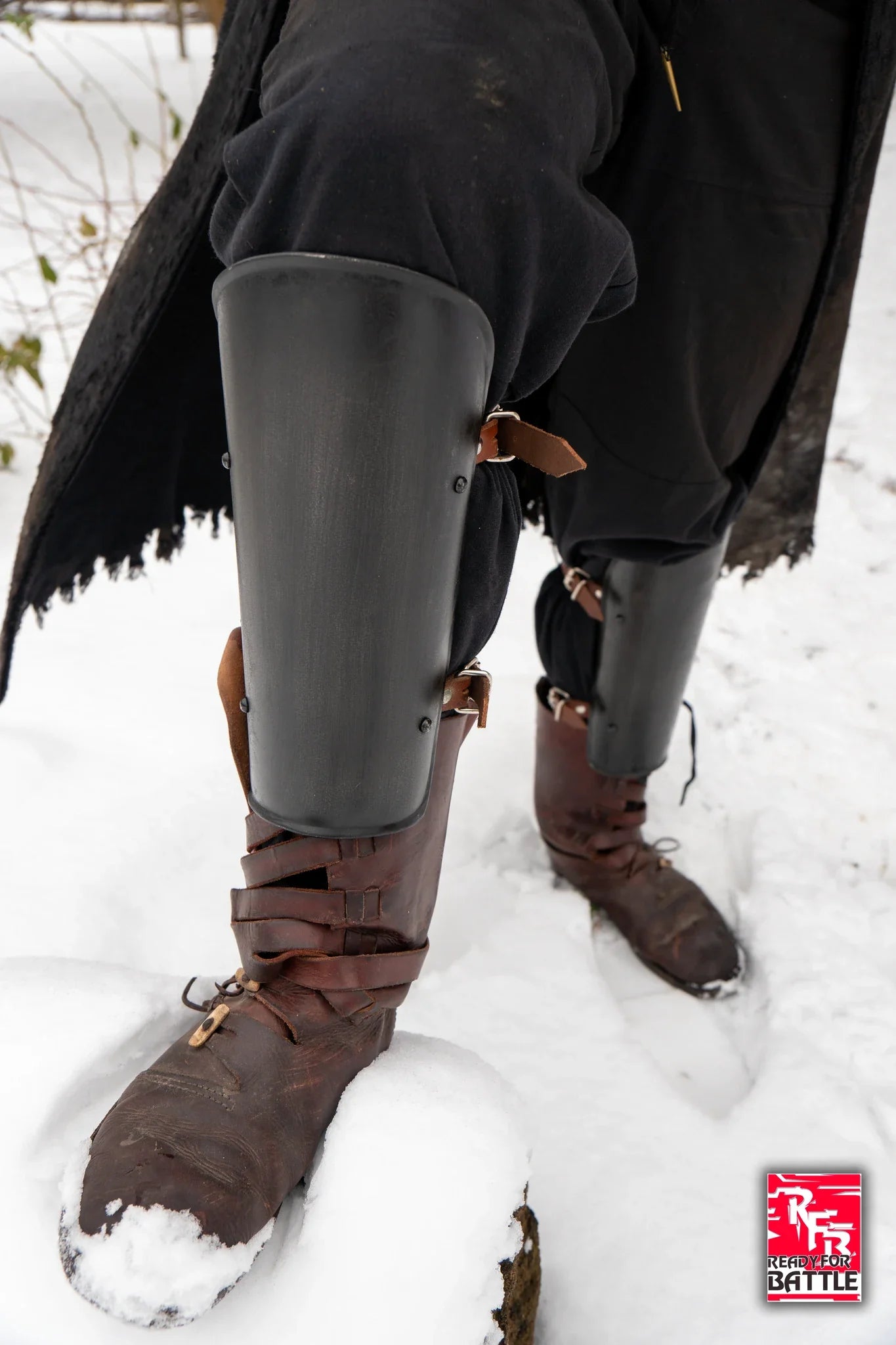
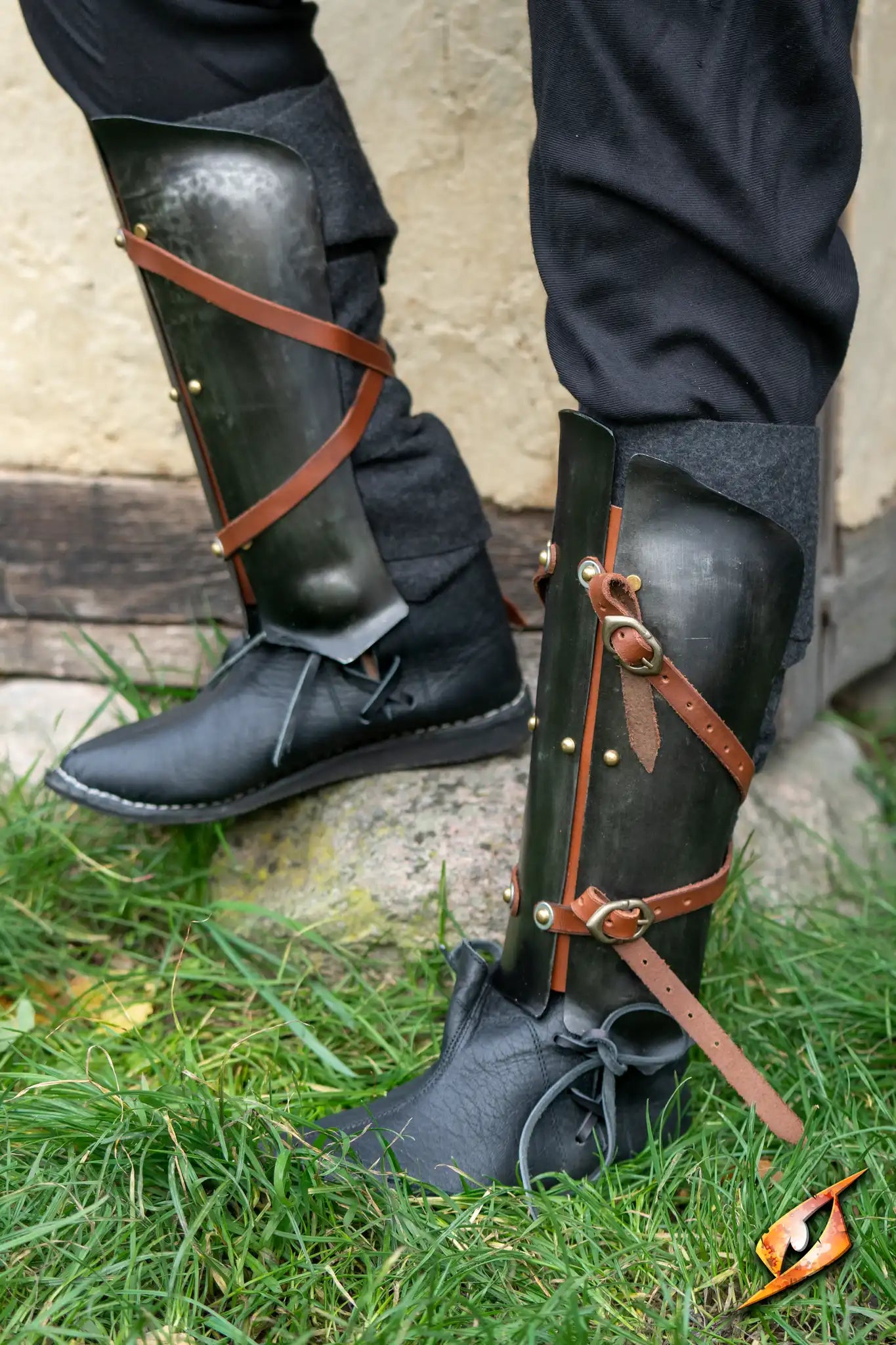
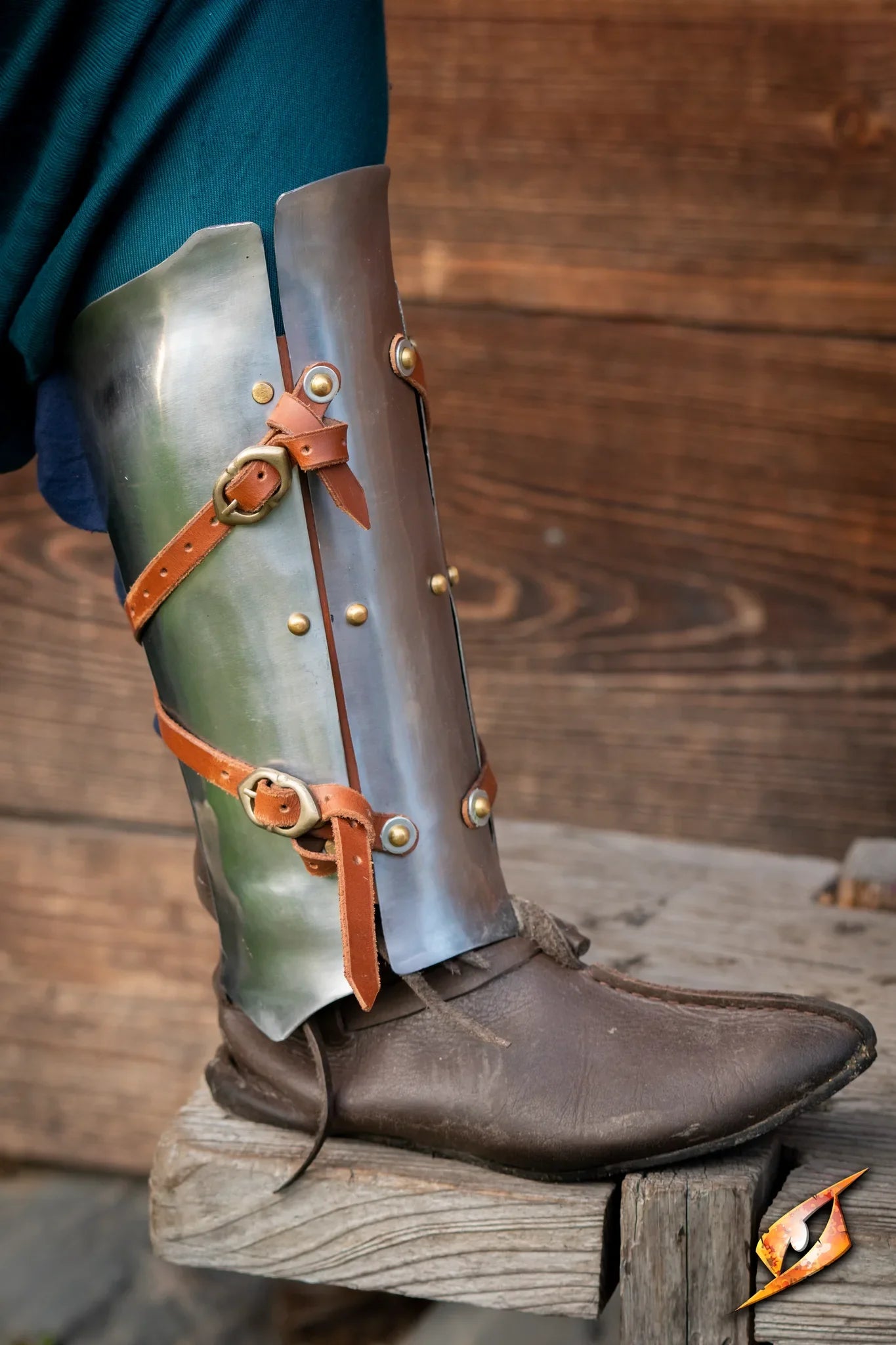
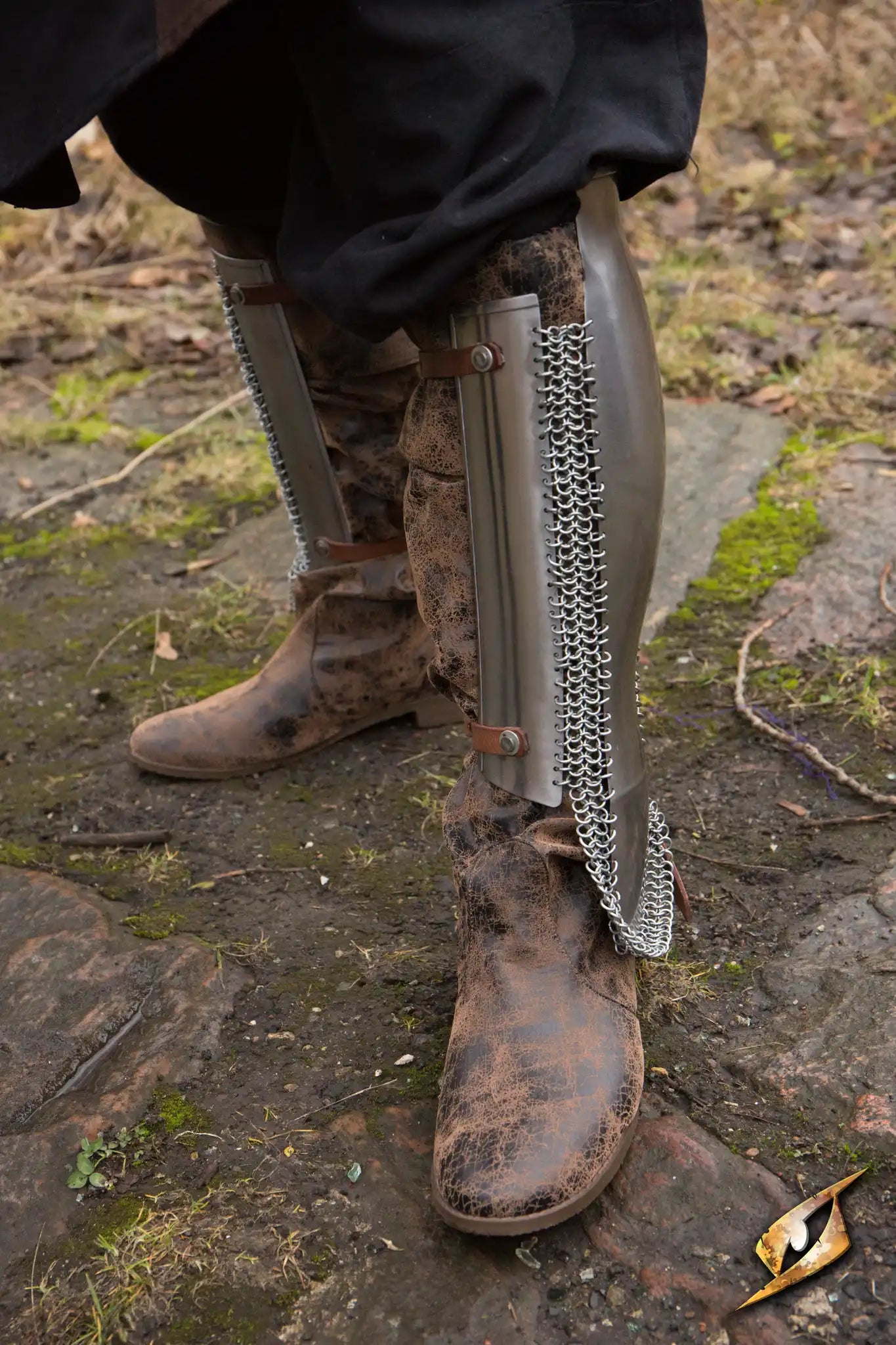
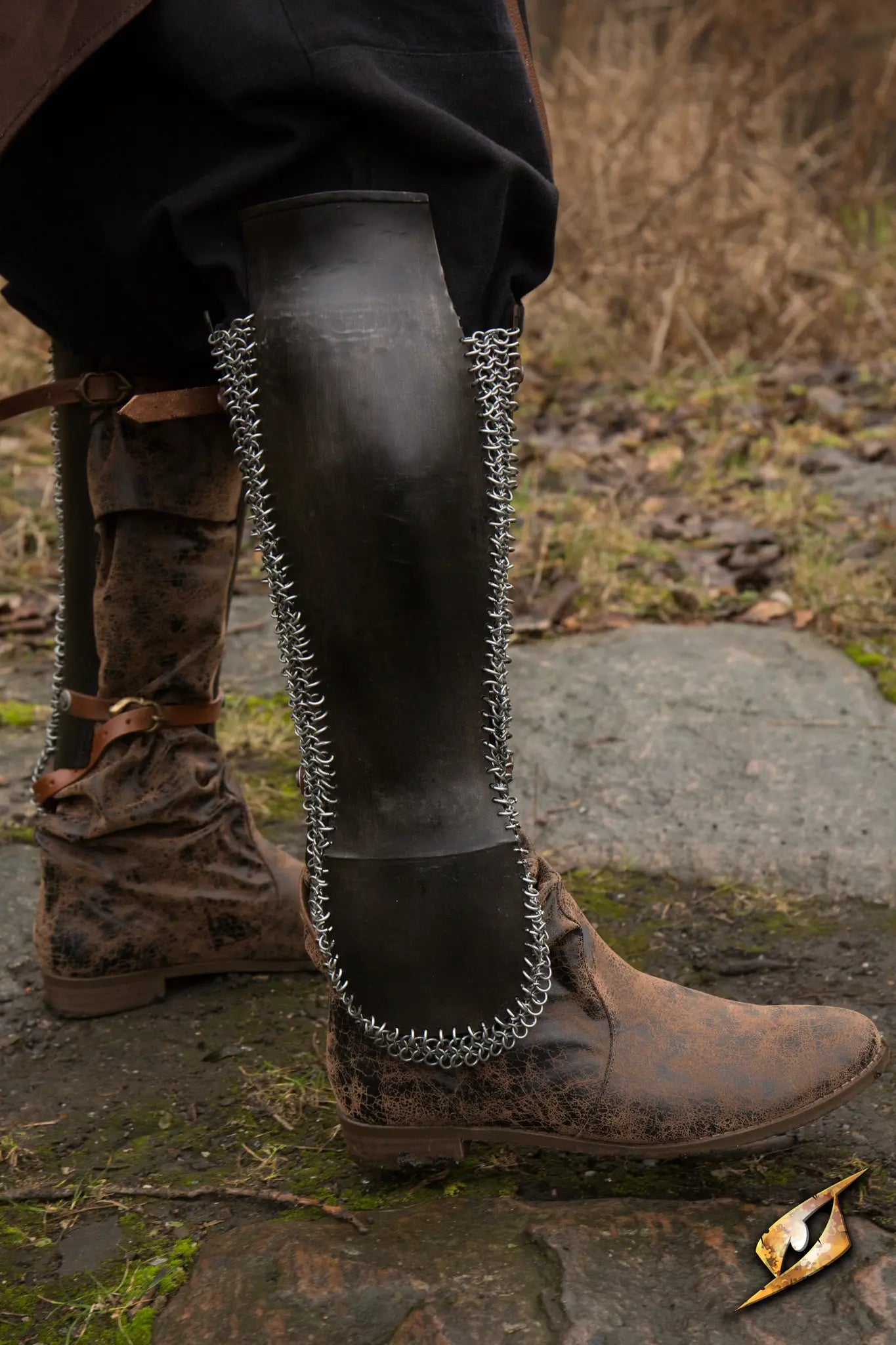
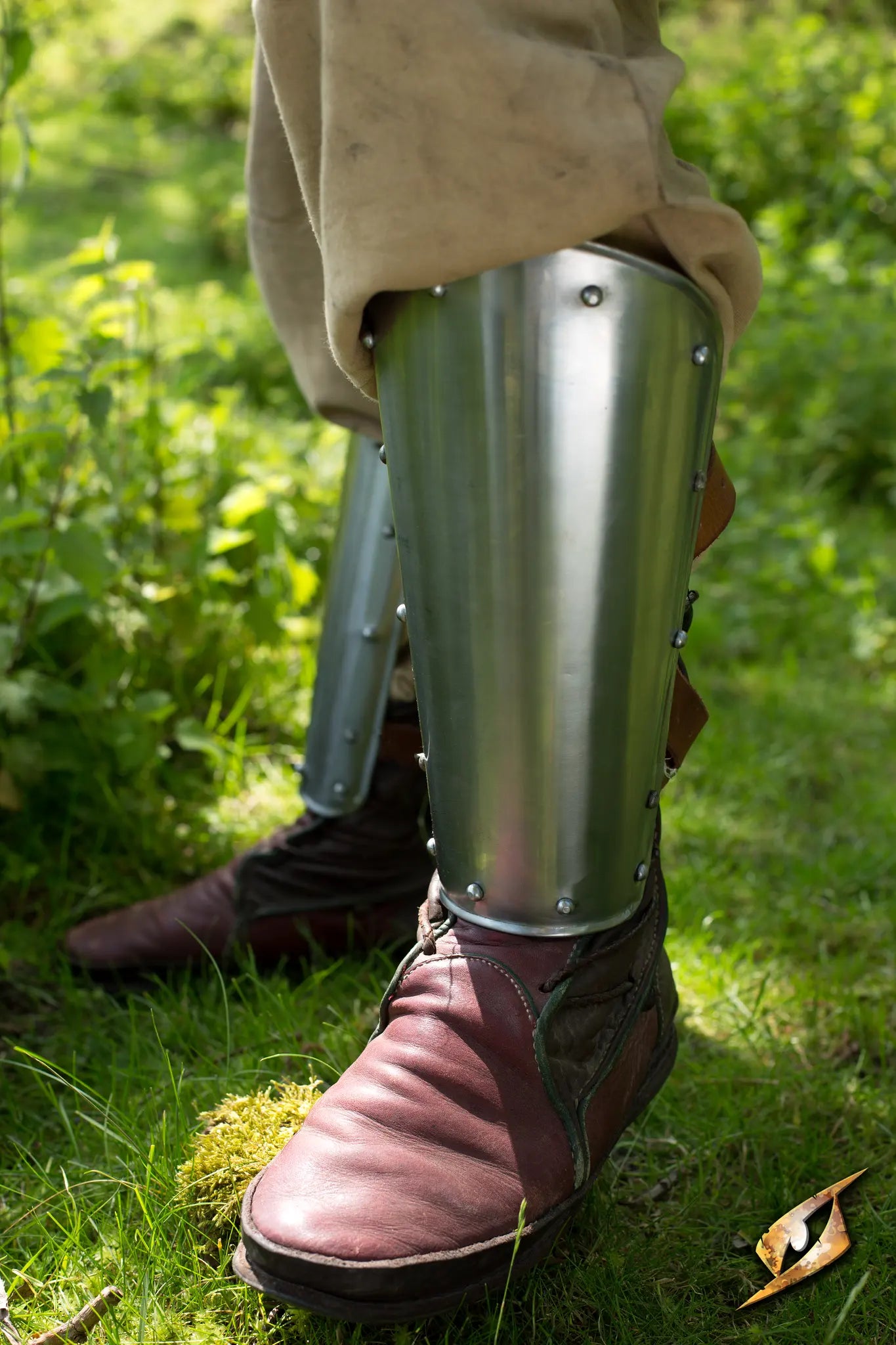
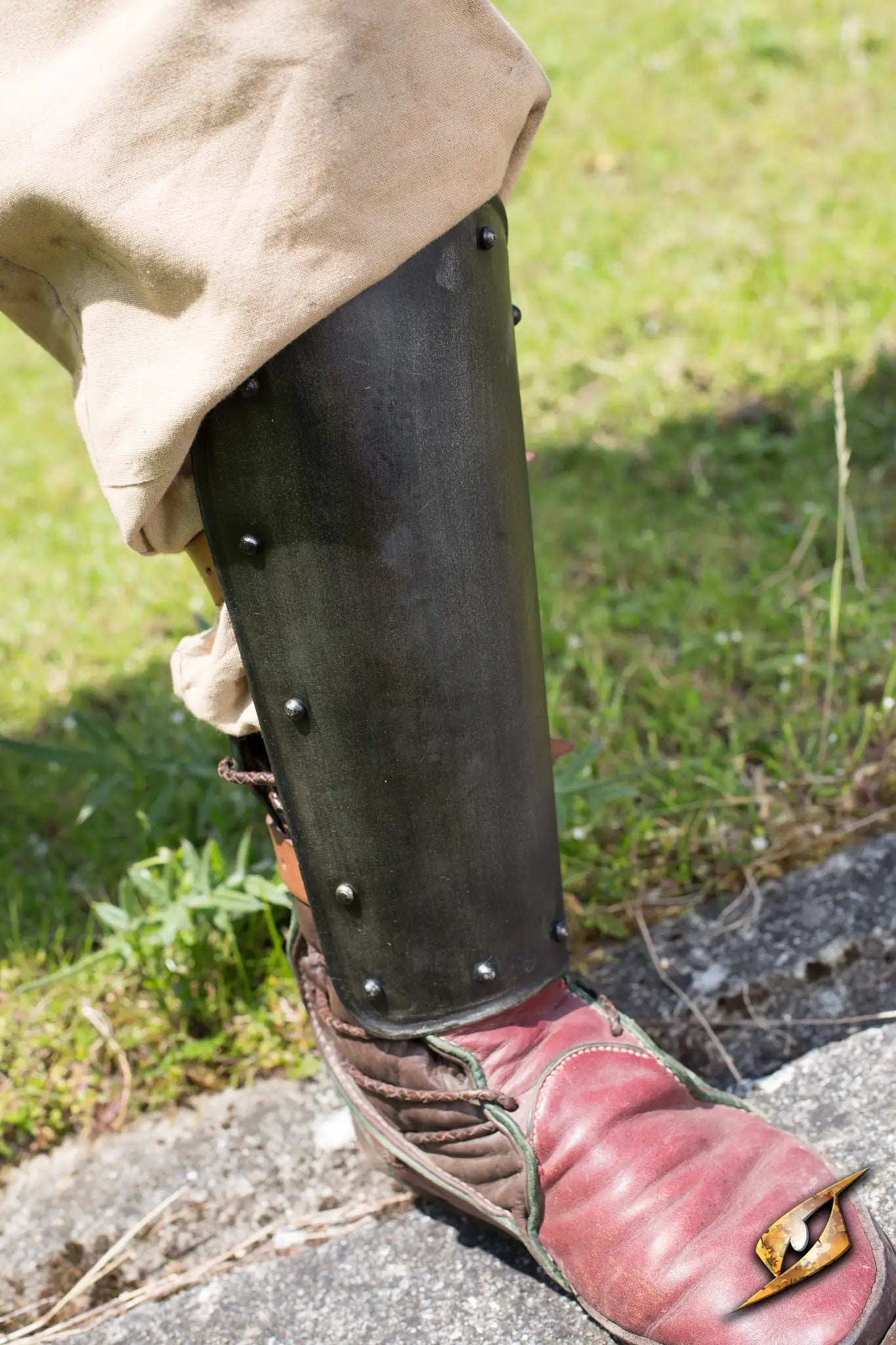
Greaves |
Guards the lower leg. |
|
Feet |
Sabatons |
Small overlapping plates that curve to the toes. |
Mail remained essential, filling the flexible gaps between all the plate parts, especially at the underarms, groin, and neck.
The Appeal of Late Medieval Armour
Late medieval armour offers the most recognizable and often "iconic" shapes. Smooth, purposeful curves, controlled lines, and perfectly balanced pieces define this period. Armourers were the most skilled in their craft, they concentrated mainly on the performance, the weight, and the freedom of movement. The wearer was able to sprint, kneel, or mount a horse through the use of articulated joints without revealing a single vulnerability.
For many modern users, this is the definitive knight look. It works incredibly well for LARP and cosplay because the shapes read clearly from a distance and pair naturally with layered clothing for a dramatic effect.
How to Choose the Right Medieval Armour for Your Kit
Choosing the right protection gear means weighing the three main factors of your personal style, your movement, and your comfort. A complete historical setup is not necessary for you. What matters is how the pieces work together and how much coverage you want.
Start by thinking about the era that inspires you. Mail and padding fit anywhere in the Middle Ages. Shaped plates belong to later centuries, yet you can still mix styles if the overall profile stays consistent. A curved breastplate, for example, pairs best with limb pieces that follow similar lines.
Consider how visible you want your armour to be. A breastplate or pair of pauldrons becomes the focus of your kit. Greaves or vambraces add structure without dominating the look. Partial sets keep weight low and offer good freedom of movement. Full suits give you presence but require more attention to fit and airflow.
Why Medieval Armour is Still the Best Choice for LARP and Cosplay
Firstly, nothing else can compare to the impact of a medieval armour outlining your kit in a breath-taking, conspicuous figure, which is literally quite different from the rest. Plate creates clean, powerful lines; mail adds texture; and padded layers bring depth and weight. Together, they form a look that works across grounded history, high fantasy, and everything in between.
Plus, modern materials make armour easier than ever to wear. Foam, PU leather, and lightweight metals offer the same outlines without the crushing weight. This lets you build kits that look authentic while still supporting full, active days at events.
Explore Our Medieval Armour Collection
This category is your entry point to torso armour, limb armour, and all the supporting pieces you need to build a complete medieval kit. You’ll find designs inspired by the early, high, and late periods, each adapted for movement, safety, and long hours of use. Whether you want a simple padded base or a full plate setup, your journey starts here.